



Sterling Silver Pin Dish
A sterling silver pin dish gathers small daily treasures with the quiet weight of traditional smithwork.
Sterling Silver Pin Dish
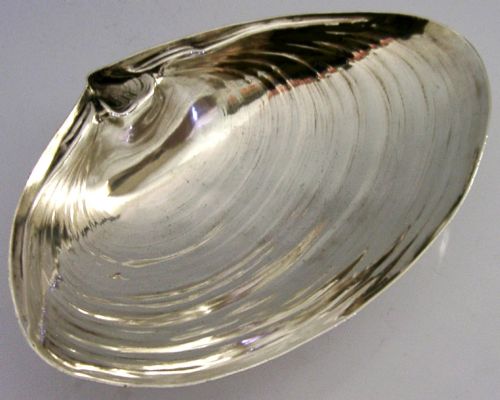
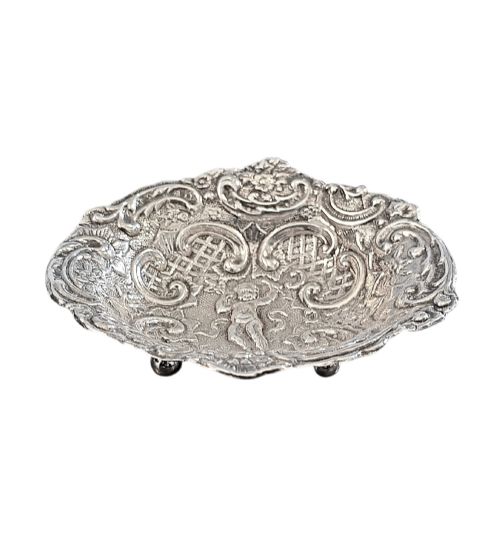
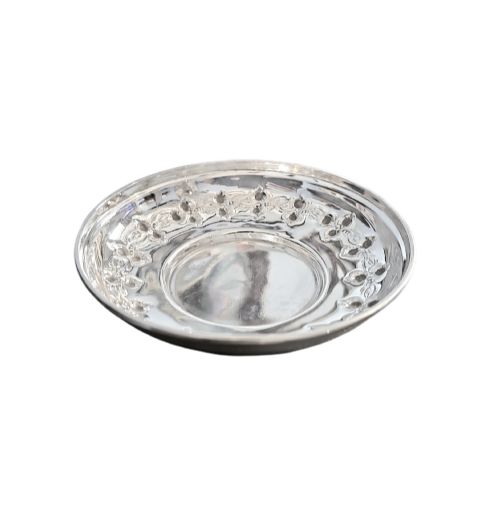
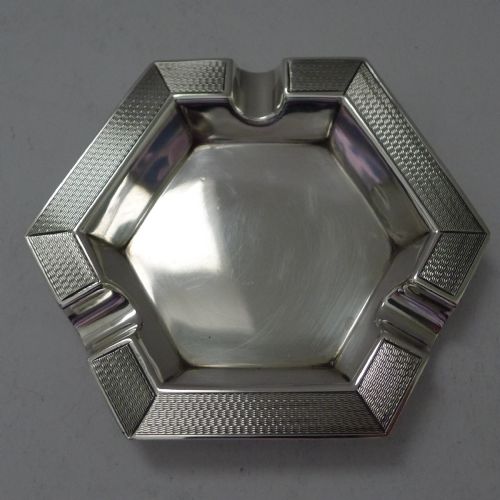
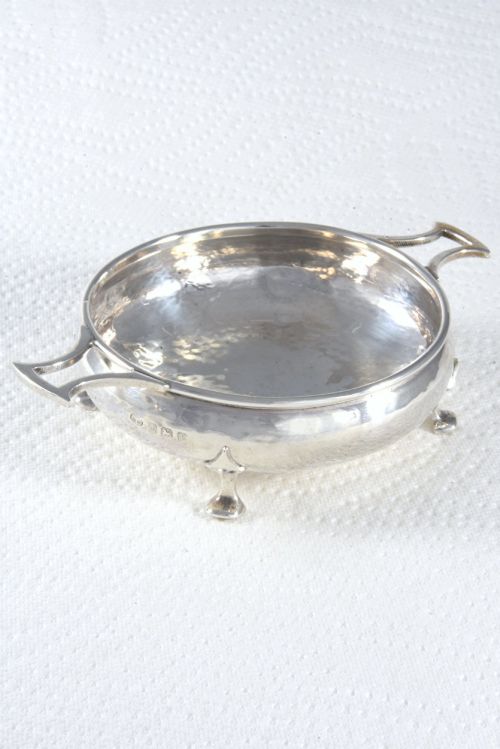
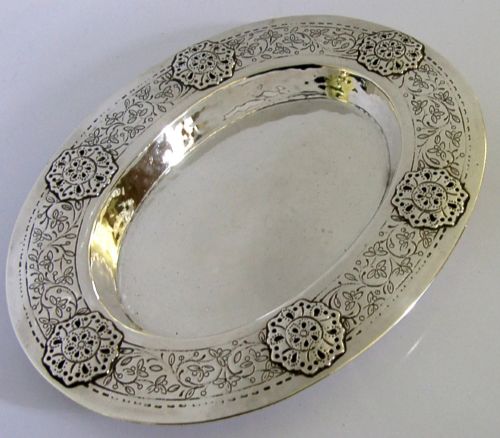
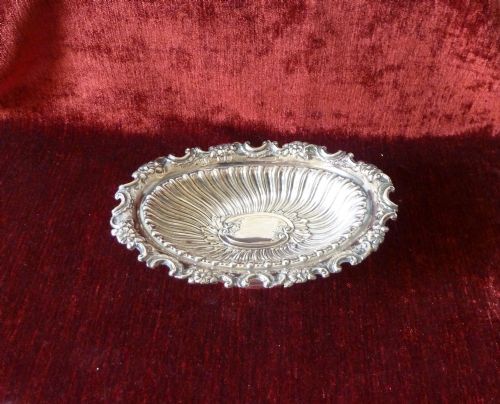
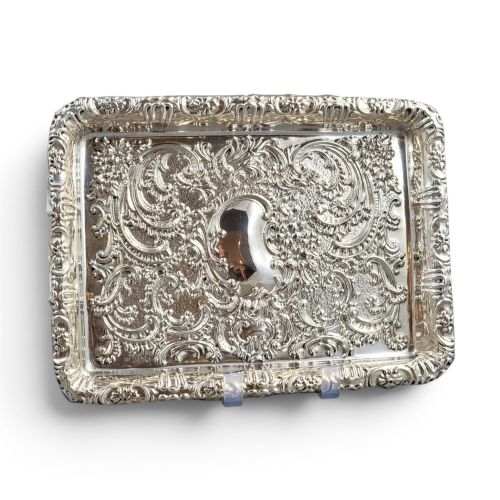
A sterling silver pin dish provides a shallow receptacle historically used on dressing tables and desks for pins, coins, and small accessories. The pieces seen on this page span several decades from the late Victorian and Edwardian eras into the mid-twentieth century.
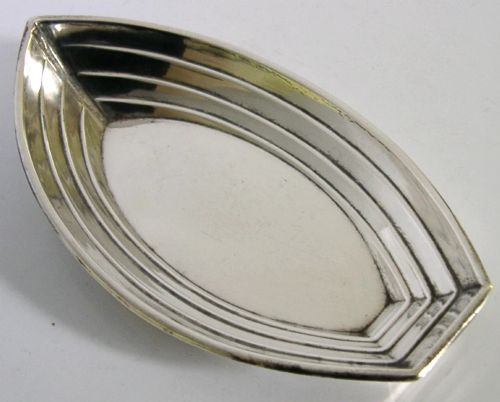
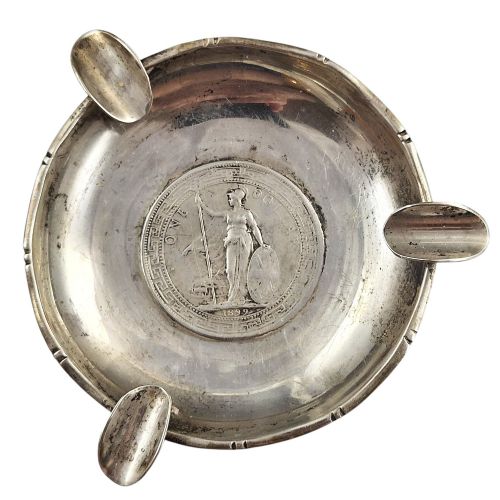
Buyers will encounter forms ranging from simple circular trays to novelty shapes like rowing boats, shells, and heart outlines. Many serve multiple domestic functions as trinket dishes, ashtrays, or small card trays.
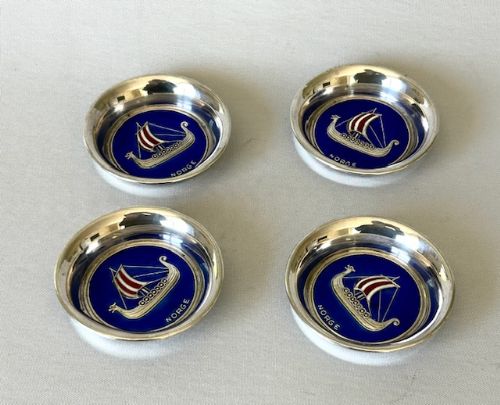
Origins include English workshops alongside Chinese Export, American, and Scandinavian makers. These diverse stylistic roots mean a buyer might find a plain Edwardian border one day and a vibrant enamel piece the next.
Materials and Construction Techniques
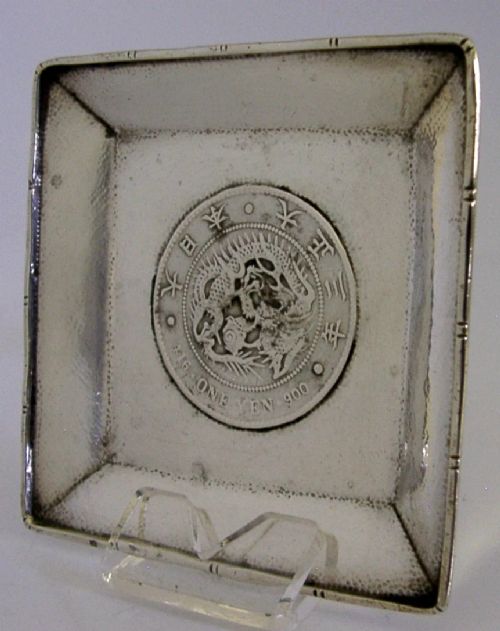
The primary material is solid sterling silver, frequently paired with complementary substances such as colourful guilloche enamel, tortoiseshell, velvet, or satin linings. Certain pieces incorporate foreign coinage, such as British Trade Dollars or Japanese Yen, inset directly into the metal base.
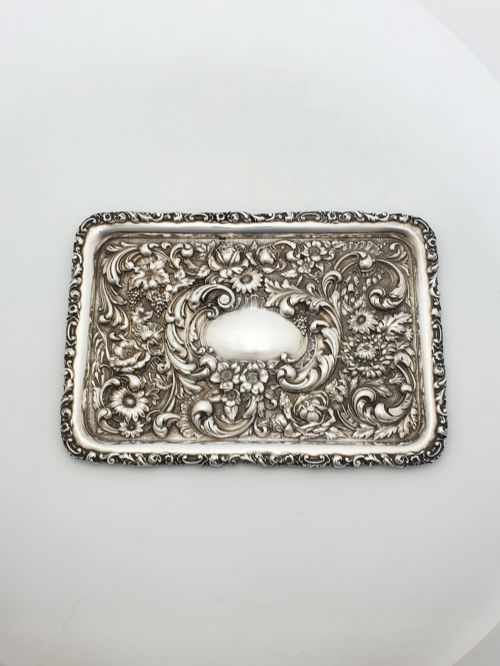
Silversmiths utilised hammering and casting methods, often finishing surfaces with intricate repoussé floral motifs or hand-chased details like Reynold's Angels. Edge treatments vary from rolled rims to ornate cast scrollwork derived from Rococo traditions.
Sterling Silver Pin Dish Retail Price Guide 2026
Typical asking prices for sterling silver pin dish among the pieces listed under this phrase on Sellingantiques today, from the lower quarter to the upper quarter. They describe what is for sale here now, not the wider market.
Materials documented across the inventory include solid sterling silver, gilt accents, guilloche enamel, tortoiseshell, satin, and velvet.
Distinctions in Quality
The standard of a sterling silver pin dish rests primarily on the crispness of its raised decoration and the weight of the metal utilised. Deep repoussé work that retains sharp relief without thinning the silver wall indicates superior craftsmanship.
Maker attribution also dictates standing, with documented pieces from notable silversmiths commanding attention over unmarked domestic items. Additionally, the survival of pristine enamel or integrated decorative elements intact elevates the execution of the piece.
William Neale·Liberty and Co·Robert Pringle and Sons·William Comyns·Peter and Anne Bateman·John Grinsell and Sons·Taylor and Perry·Mappin and Webb
The Sterling Silver Pin Dish Glossary
- Repoussé
- A metalworking technique where the silversmith hammers the design from the reverse side to form raised patterns on the front. This method creates tactile floral and figural scenes.
- Guilloche
- An intricate mechanical engraving technique producing precise repetitive patterns beneath a translucent enamel layer. It frequently appears on mid-century Scandinavian and European items.
- Hallmark
- A series of official stamps applied to precious metals indicating the standard of silver, the assay office, and the date letter. These marks verify the authentic age and origin of the piece.
- Chasing
- A surface decoration method where tools push the metal inwards from the front rather than raising it from behind. It adds fine linear detail to complement repoussé work.
- Trinket dish
- A small shallow container designed for holding rings, pins, and loose jewellery on a dressing table. The form overlaps closely with standard pin trays and ashtrays.
Sterling Silver Pin Dish: Frequently Asked Questions
What were sterling silver pin dishes used for originally?
These small receptacles sat upon dressing tables and sideboards to catch loose pins, cufflinks, and small daily items. They kept loose trinkets organised before pockets and modern storage became common.
Over time, people also used them as ashtrays or small card trays in entertaining spaces. Their domestic role remained versatile across the Victorian and Edwardian periods.
How do I identify the date of a sterling silver pin dish?
Examine the metal surface for a series of small stamped hallmarks, which typically include a date letter, a town mark, and a standard mark such as a lion passant. These stamps provide the exact year and assay office of manufacture.
Stylistic cues like Art Nouveau whiplash lines or Edwardian floral repoussé also point toward specific decades when hallmarks are worn or absent.
How should I clean my silver pin dish?
Use a soft microfiber cloth and a mild silver polish specifically formulated for precious metals to maintain the surface. Avoid harsh chemical dips that strip away natural patination and vintage character.
Enamelled or tortoiseshell pieces require extra care to keep moisture away from the vulnerable joins where organic or glass elements meet the silver.
Are these dishes durable enough for daily use?
Solid silver possesses sturdy physical properties that easily withstand everyday placement of keys, coins, and jewellery. Regular handling often improves the tactile appearance by burnishing high points naturally.
Pieces featuring delicate enamel or glass inserts need gentler placement to prevent chipping or scratching the vulnerable secondary materials.