

Sterling Silver Picture Holder
A sterling silver picture holder frames cherished portraits in precious metal, offering enduring elegance for any tabletop.
Sterling Silver Picture Holder
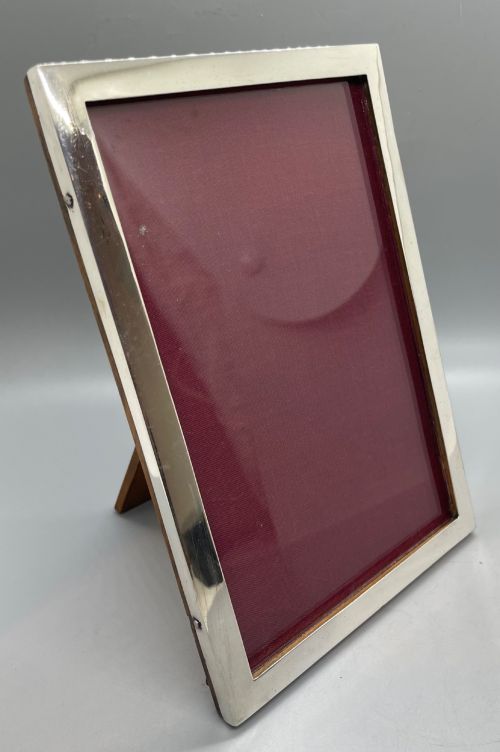
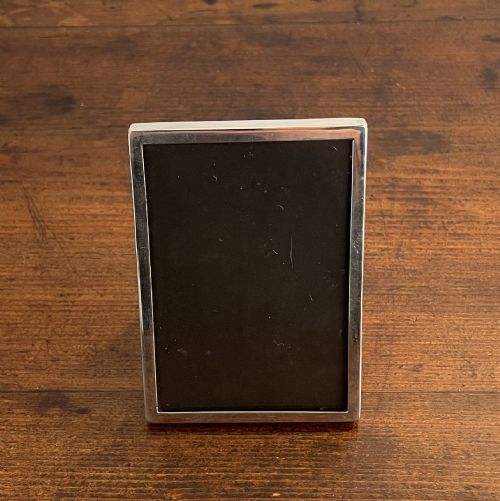
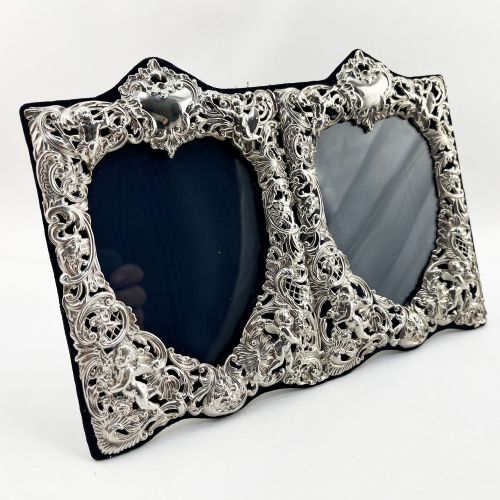
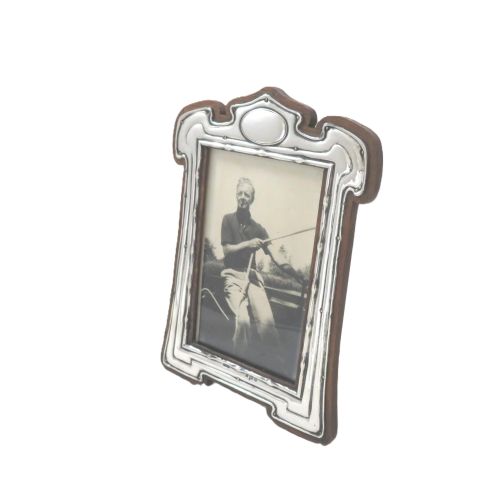
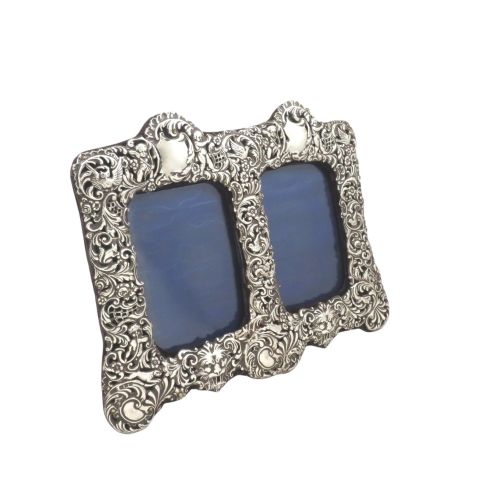
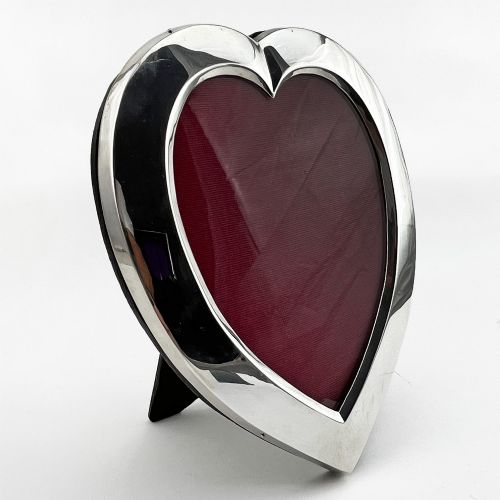
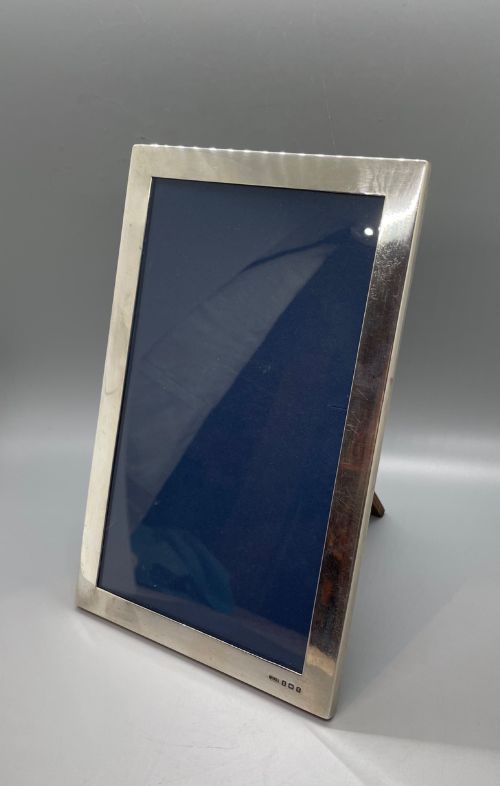
A sterling silver picture holder serves to display photographic portraits upon desks and mantelpieces. When you search for a sterling silver picture holder, you encounter forms that range from simple rectangular borders to elaborate heart shapes.
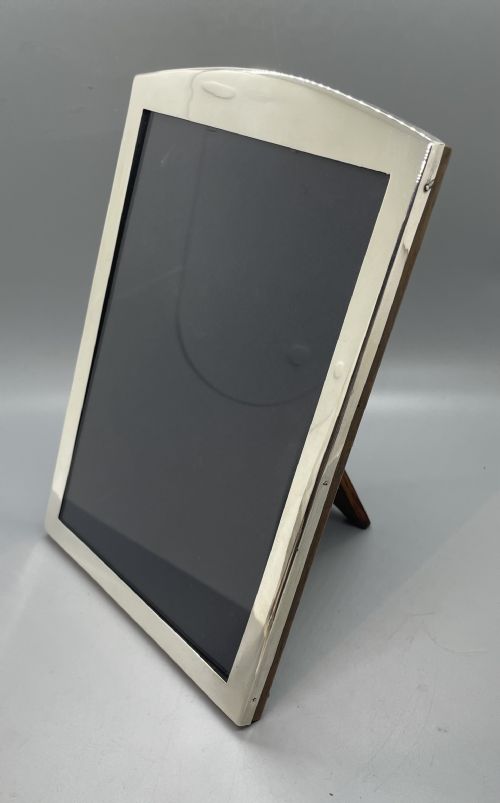
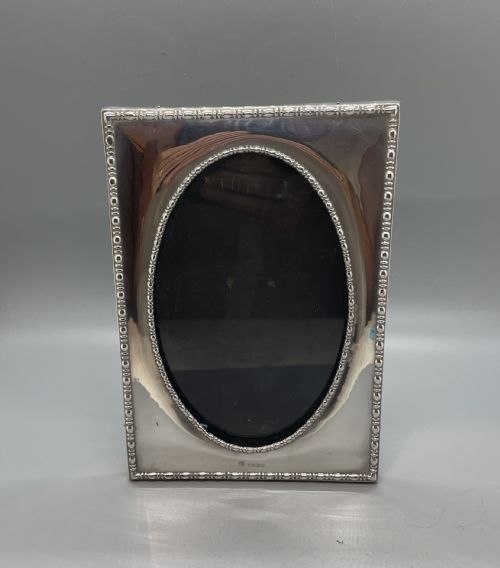
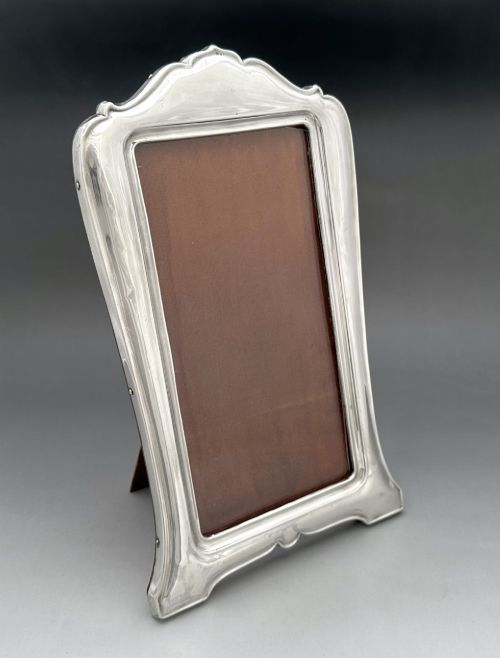
The pieces on this page span the late Victorian, Edwardian, and George V periods, alongside later twentieth-century examples. You will frequently meet rectangular and oval photograph frames equipped with easel backs for upright display.
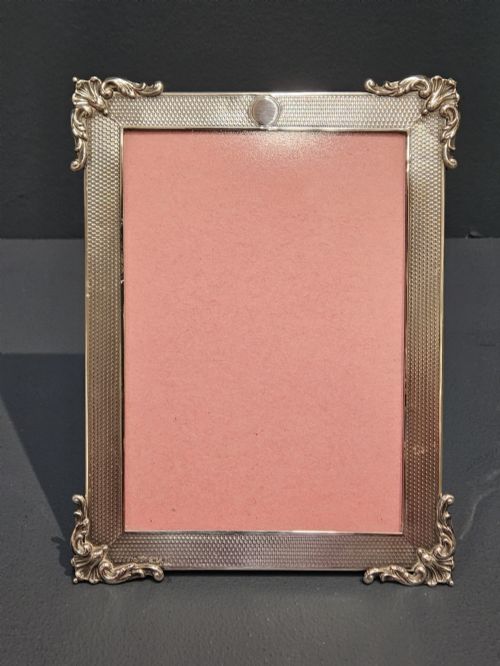
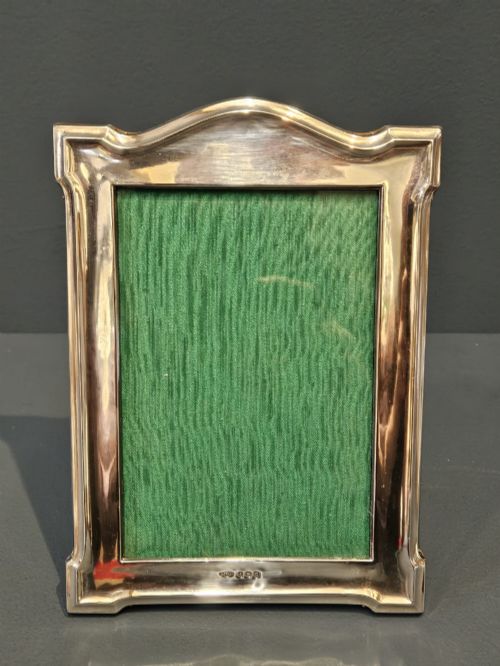
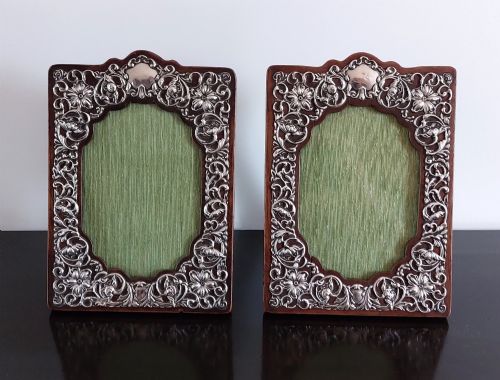
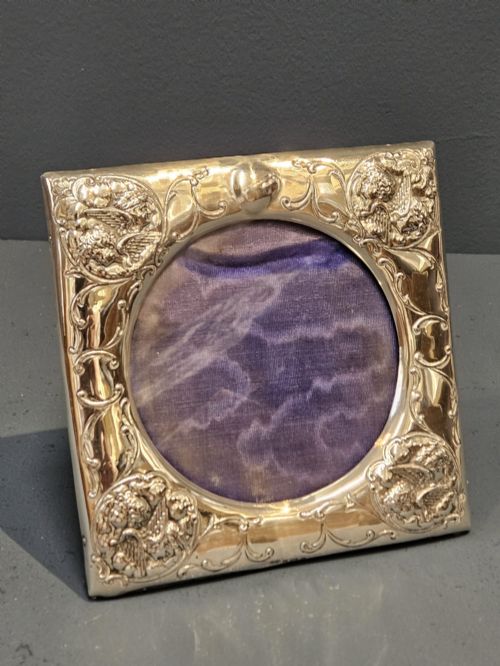
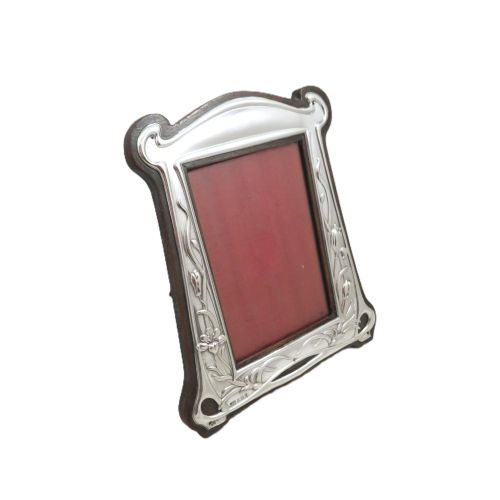
Makers utilised various decorative motifs, including embossed floral designs, engine-turned patterns, and sweeping top borders. These objects preserve family memories while demonstrating the metalwork styles of their respective eras.
Materials and Construction
Craftsmen built these frames using sterling silver mounted over wooden backing boards, frequently incorporating glass to protect the photograph within. The rear supports often utilise materials such as leather, velvet, or fabric to secure the backboard.
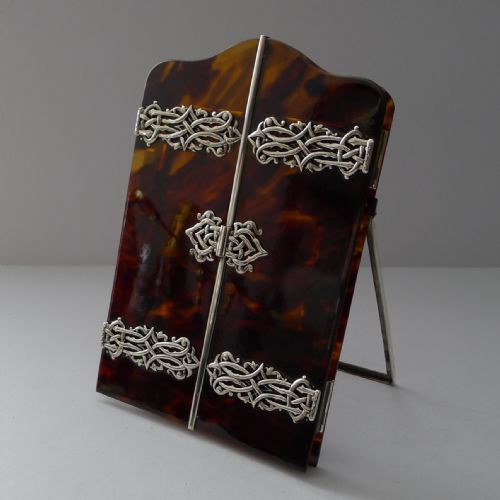
Workshops employed techniques like embossing, planishing, and engine-turning to pattern the silver surface. Specialised makers also combined tortoiseshell and silk with silver mounts to achieve contrasting textures.
Sterling Silver Picture Holder Retail Price Guide 2026
Typical asking prices for sterling silver picture holder among the pieces listed under this phrase on Sellingantiques today, from the lower quarter to the upper quarter. They describe what is for sale here now, not the wider market.
Several Edwardian frames bear sentimental inscriptions such as 'Reynolds Angels' and 'Dinna Forget', turning simple portraits into romantic tokens.
Markers of Quality
The distinction between standard production and superior craftsmanship lies in the crispness of the chased or embossed detail and the structural integrity of the backing mount. Well-executed engine-turning exhibits precise geometric regularity across the entire silver surface.
Maker marks and clear assay office hallmarks denote higher atelier standards and confirm the origin of the piece. The retention of original glass, intact easel mechanisms, and high-grade wooden or leather backing boards further elevate the standing of an individual frame.
William Comyns·Mappin Bros·Syner and Beddoes·Henry Matthews·Deakin and Francis
The Sterling Silver Picture Holder Glossary
- Engine-turned
- A decorative technique involving intricate geometric patterns mechanically engraved into the silver surface. This method creates a textured finish that catches the light from various angles.
- Assay mark
- A stamp indicating the purity of the silver metal and the office where it was tested. British pieces typically display town marks, standard marks, and date letters.
- Easel back
- A hinged support strut attached to the rear of the frame allowing it to stand upright on a flat surface. These stands are commonly covered in leather, velvet, or fabric.
- Planished
- A hand-hammered surface finish that leaves subtle, flat facets across the silver. This technique provides a tactile, artisanal texture distinct from polished sheet metal.
- Tortoiseshell
- The mottled brown and amber shell material occasionally mounted beneath silver openwork frames. It adds deep natural colour contrasts behind the precious metal.
Sterling Silver Picture Holder: Frequently Asked Questions
What periods do these silver frames represent?
The collection spans several decades, incorporating Victorian, Edwardian, and George V eras alongside later twentieth-century examples. Each period introduces distinct stylistic traits, from ornate rococo revivals to geometric art deco lines.
Art Nouveau pieces also appear, bringing characteristic flowing plant motifs and sinuous borders to the selection.
How should I clean a silver picture holder?
Clean the silver elements gently using a specialist silver cloth to remove tarnish without disturbing embossed details or maker marks. Avoid applying liquid polish directly near fabric or leather backing materials.
Take care to prevent cleaning agents from seeping beneath the glass face where old photographs might reside.
Are the backing boards original to the frames?
Many frames retain their original wooden, leather, or velvet-covered backing boards and easel struts. Original fittings often display period hinges and turn-buttons that match the manufacturing date of the silver mount.
Replacements do occur over time due to normal wear, so inspecting the rear construction helps determine authenticity.
How do I identify the assay office on a frame?
Look along the outside border or edge of the silver for stamped hallmarks indicating the assay office location. Birmingham and Sheffield appear frequently among these pieces, accompanied by the lion passant denoting sterling standard.
An adjoining letter punch usually reveals the exact year the frame was tested and entered the market.