

Sterling Silver Photo Holder
These sterling silver photo holder pieces are silver frames designed to display portraits on desks and mantelpieces, prized for their decorative metalwork.
Sterling Silver Photo Holder
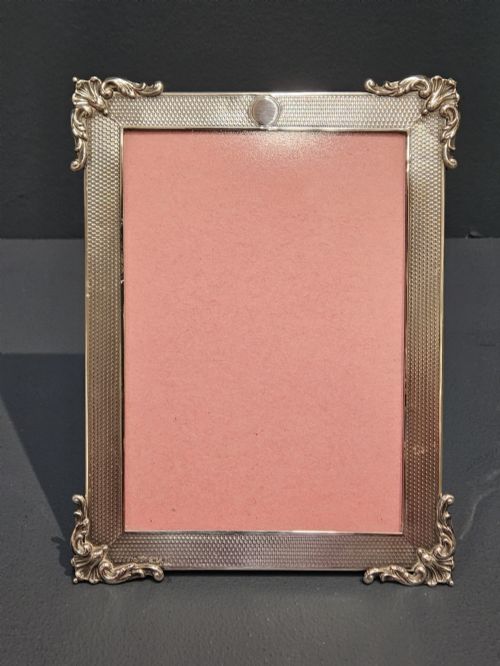
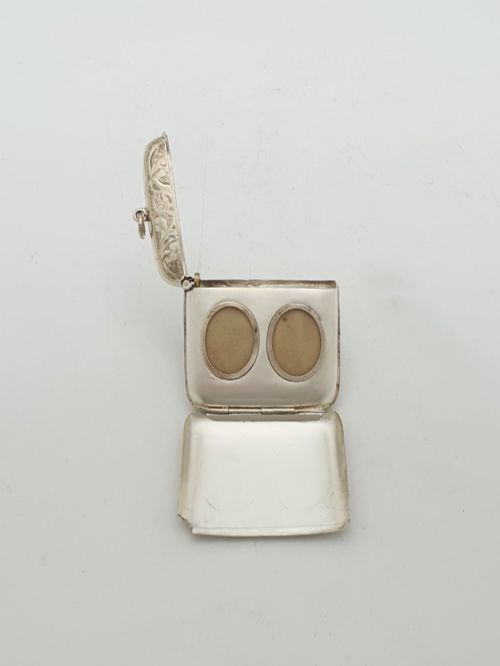
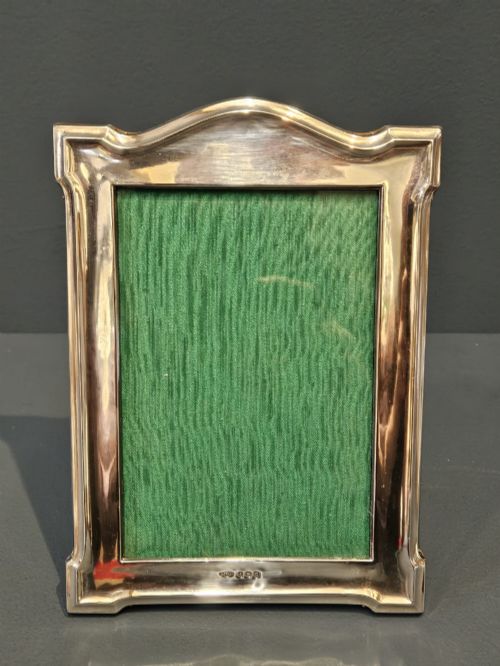
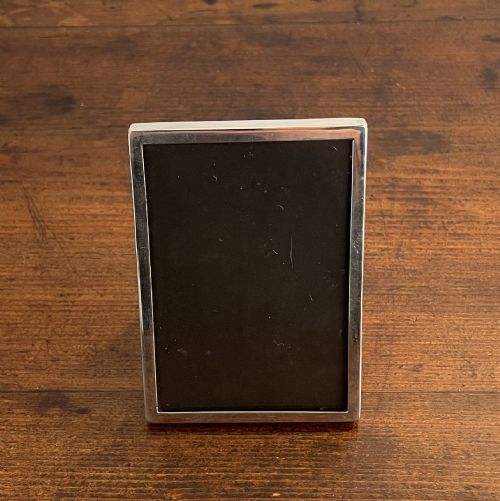
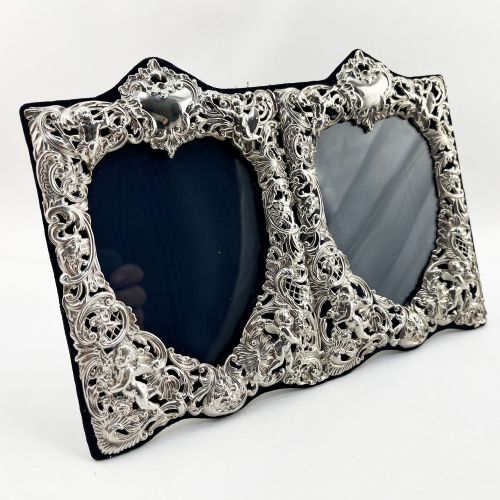
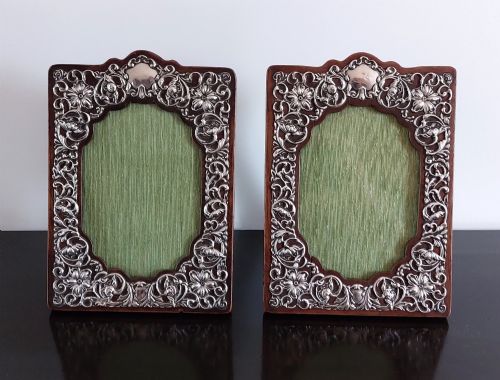
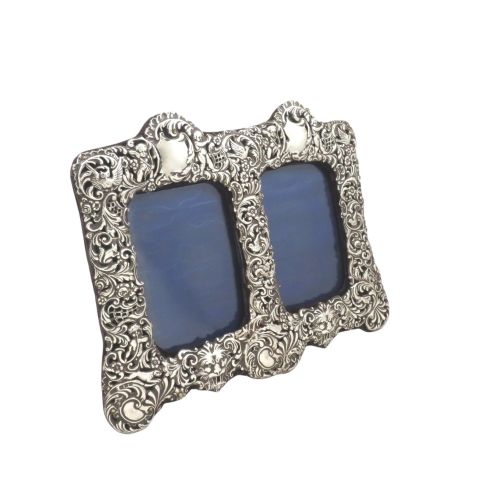
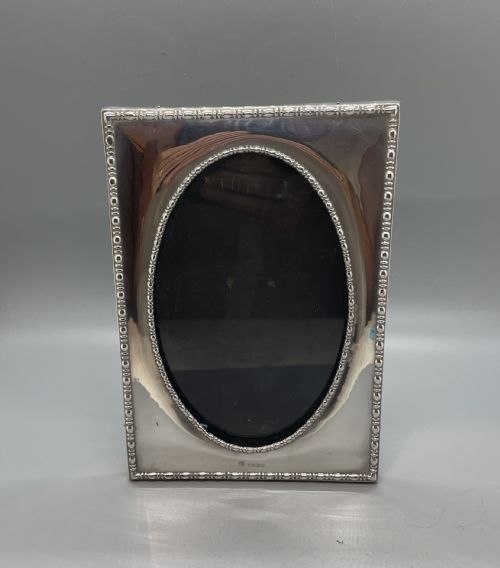
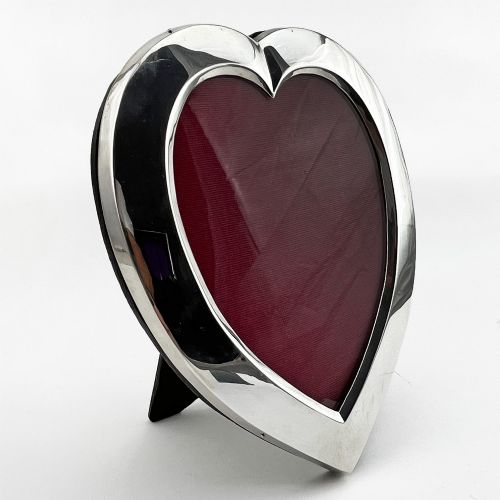
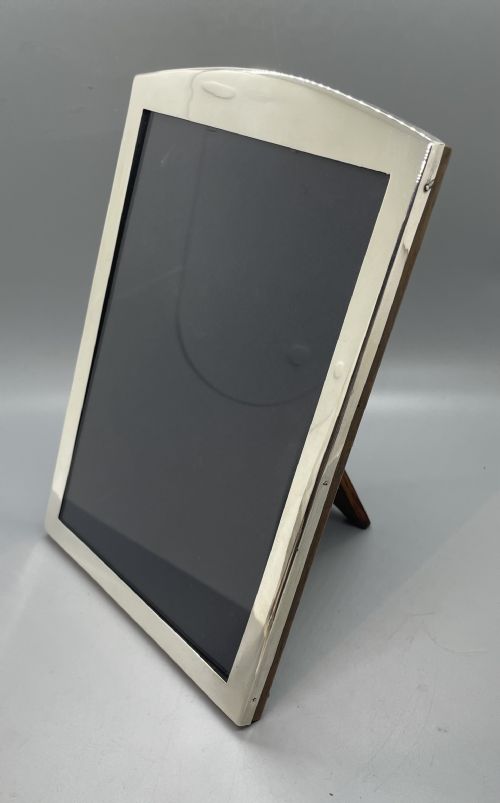
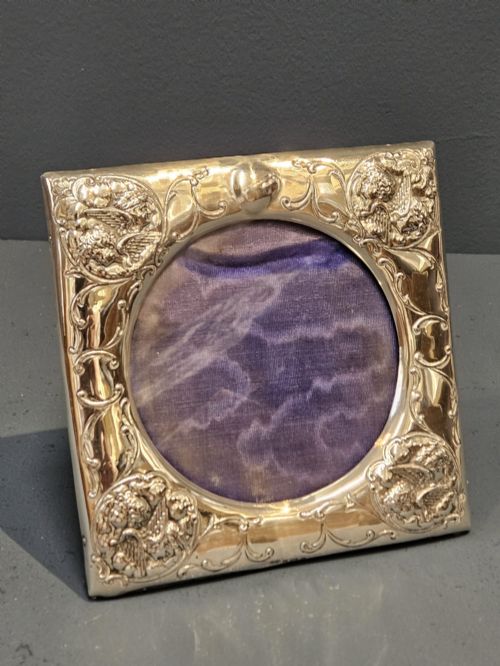
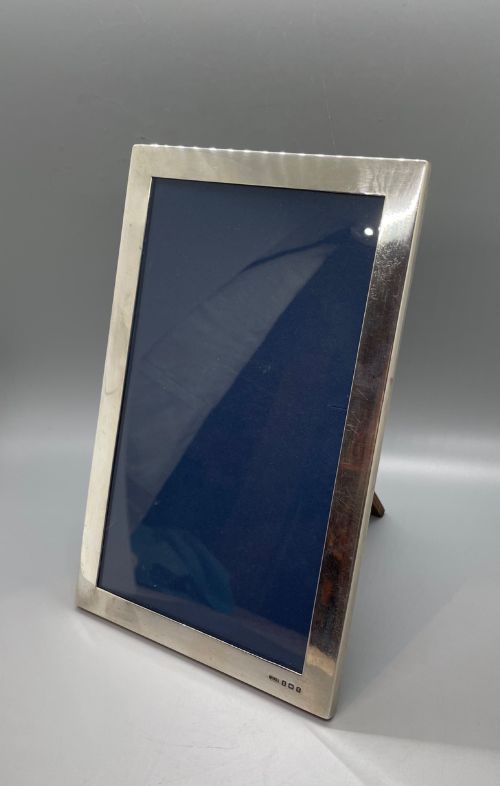
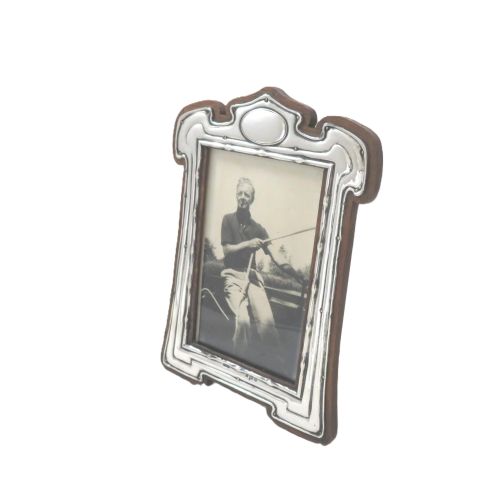
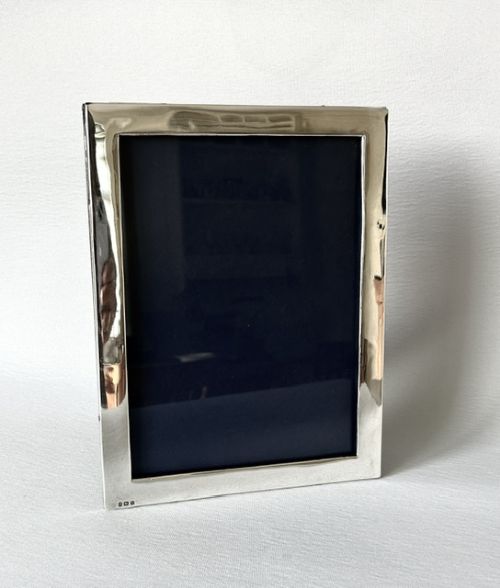
A sterling silver photo holder brings solid metal craftsmanship to portrait display, appearing most often as a freestanding picture frame from the Edwardian period or the George V reign. These items range from small oval shapes to large rectangular designs, alongside heart-shaped variants and menu card holders intended for tabletops.
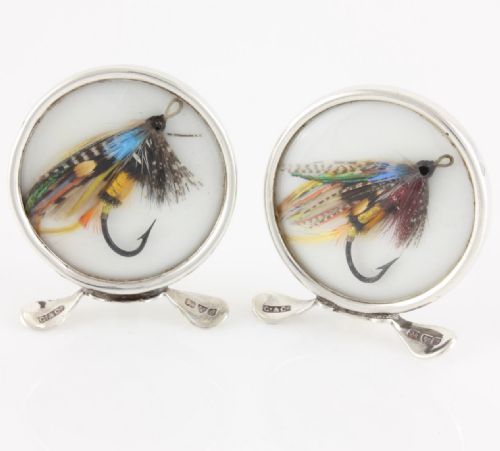
Makers shaped these objects to sit securely on wooden surfaces using hinged wooden backs, often covered in fabric or velvet, with glass panels protecting the paper photograph inside. The metal surrounds carry hallmarks from assay offices in cities such as Birmingham and Sheffield, dating the silver precisely.
Materials and Techniques
Silversmiths formed the primary structure from sterling silver sheet, utilising stamping, embossing, and engraving techniques to create floral borders, engine-turned patterns, and art nouveau motifs. Planished surfaces and plain polished borders also appear frequently across the inventory.
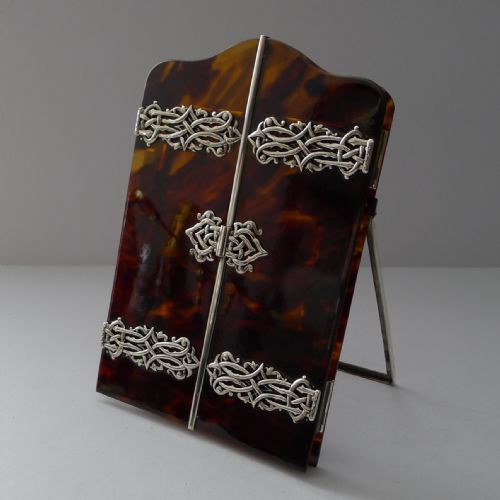
Makers combined the silver fronts with organic materials like tortoiseshell and structural elements of wood, glass, and leather to support the display mechanism. Velvet and fabric linings finished the reverse sides of these easel-backed objects.
Sterling Silver Photo Holder Retail Price Guide 2026
Typical asking prices for sterling silver photo holder among the pieces listed under this phrase on Sellingantiques today, from the lower quarter to the upper quarter. They describe what is for sale here now, not the wider market.
Assessing Quality and Manufacture
Quality rests on the crispness of the chased or embossed decoration and the weight of the sterling silver sheet employed by the maker. Heavier gauges resist denting and maintain structural integrity around the easel hinge.
The distinction between standard commercial output and finer work lies in the hand-finishing of details such as floral borders, engraved inscriptions, and the quality of the fitted wooden backboards.
William Comyns·Mappin Bros·Syner & Beddoes·Henry Matthews·Deakin & Francis
The Sterling Silver Photo Holder Glossary
- Sterling silver
- An alloy containing 92.5 percent silver by weight, providing the durable standard for British decorative metalwork.
- Hallmark
- A set of official marks stamped on precious metals indicating the maker, assay office, and year of testing.
- Easel back
- A hinged wooden support attached to the rear of a frame, allowing it to stand upright on a flat surface.
- Engine-turned
- A precise geometric pattern mechanically engraved into the metal surface using a lathe.
- Planished
- A metal surface finished by hammering with a polished tool to create flat, reflective facets.
Sterling Silver Photo Holder: Frequently Asked Questions
How do I date a silver photo frame?
Assay office hallmarks stamped on the silver border provide the exact year letter and city of testing. Maker marks alongside these symbols identify the firm responsible.
Stylistic cues such as art nouveau curves or art deco geometry further support the period indicated by the official marks.
What is the best way to clean sterling silver frames?
Use a soft microfiber cloth with a dedicated silver polish to remove tarnish from the embossed or engraved details. Avoid getting moisture or polish on the wooden backs and glass.
Gentle wiping preserves the original patina built up over decades of handling and display.
Can these frames accommodate modern photographs?
Most antique frames hold standard photographic prints once trimmed to fit the internal aperture behind the glass. The original wooden backboards and turn-buttons secure the new image safely in place.
Care must be taken when opening old backing clips to avoid stressing the antique metal hinges.
How do I distinguish Edwardian from Victorian frames?
Victorian examples often feature heavier, ornate floral embossing and darker tortoiseshell mounts typical of late nineteenth-century tastes. Edwardian pieces frequently display lighter construction with ribbon motifs, reeded borders, or early art nouveau lines.
Assay dates stamped into the silver confirm the exact decade of manufacture.