


Sterling Silver Novelty Tableware
Sterling silver novelty tableware brings wit to the dining table through miniature animal figures and ingenious functional forms shaped in precious metal.
Sterling Silver Novelty Tableware
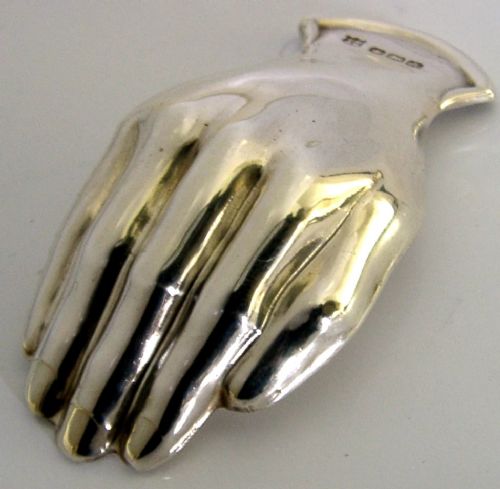
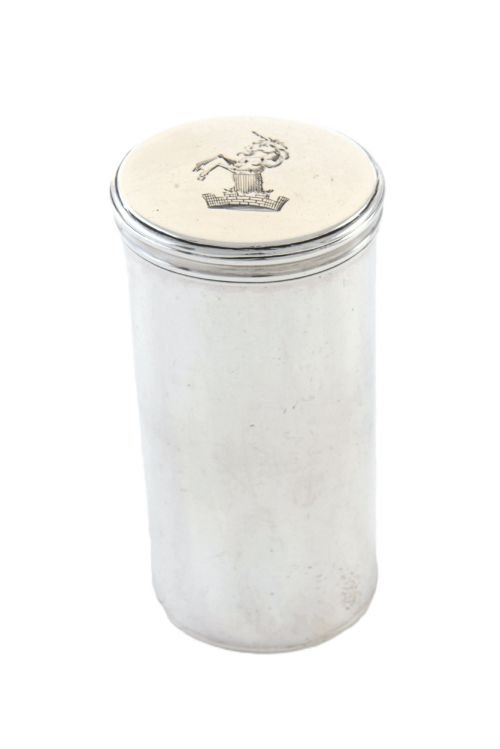
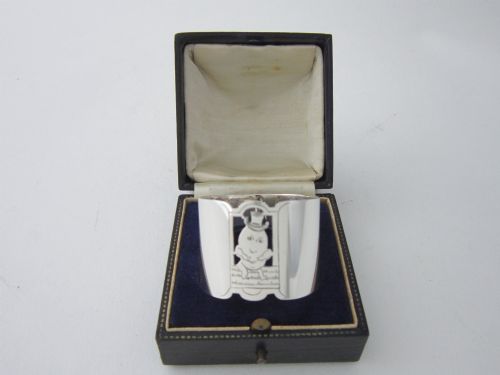
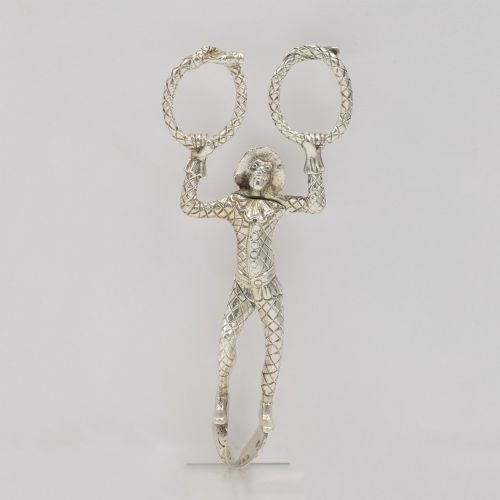
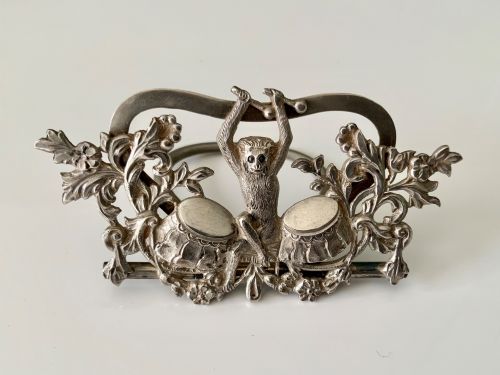
Sterling silver novelty tableware comprises functional dining accessories modelled as animals, birds, or curious objects from daily life, capturing the playful imagination of the Georgian, Victorian, Edwardian, and mid-century periods. When exploring sterling silver novelty tableware, collectors encounter pieces designed for specific dining tasks, including menu card holders, salt cellars, pepper pots, condiment sets, sugar tongs, caddy spoons, nutmeg graters, and napkin rings.
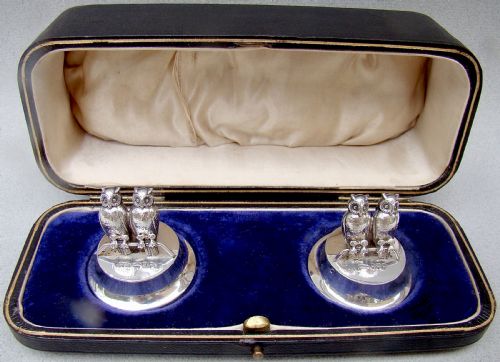
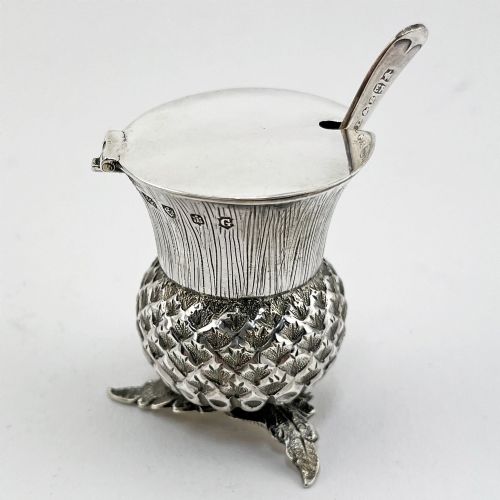
The selection ranges from Victorian owls and chicks to Edwardian menu holders depicting monkeys and birds, alongside Georgian nutmeg graters and mid-century British pieces. Table salts shaped as swans, peppers in the form of thistles or shells, and equestrian toast racks demonstrate the diversity of forms that populate these collections.
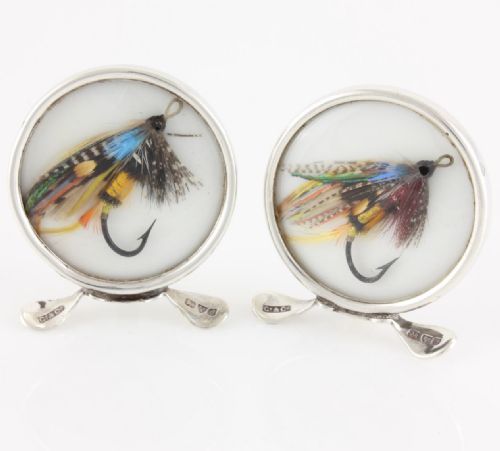
Makers from various decades applied sterling silver, silver gilt, and glass to create these whimsical items. Continental silver pieces appear alongside British hallmarks, reflecting international interest in playful tableware.
Assessing quality
The integrity of working parts, such as hinges on sugar tongs or tight-fitting lids on condiment pots, influences the overall standing of an item. Clear hallmarks and the reputation of the maker further distinguish high-grade silver novelty tableware.
Object types span condiment sets, menu holders, caddy spoons, nutmeg graters, sugar tongs, salt cellars, pepper pots, and napkin rings.
Levi & Salaman·Grey & Co·Dee & Fargus·Reid and Summers·Henry Stuart Brown·Thomas Johnson
The Sterling Silver Novelty Tableware Glossary
- Sterling silver
- An alloy comprising ninety-two point five percent silver and seven point five percent other metals, typically copper. This standard composition provides the durability required for functional tableware.
- Silver gilt
- Sterling silver coated with a thin layer of gold on the surface. This technique added rich colour and protected interior surfaces from corrosive foodstuffs.
- Assay office
- An official body responsible for testing the purity of precious metal items and stamping them with hallmark symbols. Offices in cities such as Birmingham and London marked these pieces.
- Hallmark
- A series of official marks stamped onto silver items indicating standard, origin, maker, and year of assay. These stamps offer reliable dating for antique tableware.
- Chasing
- A metalsmithing technique where the artisan pushes metal from the front using hammer and punches to create raised decorative designs. This method defined the plumage and fur of animal tableware.
Sterling Silver Novelty Tableware: Frequently Asked Questions
What is sterling silver novelty tableware?
These pieces are functional dining items shaped into amusing forms like animals, birds, or everyday objects. Silversmiths created them across the Victorian, Edwardian, and Georgian eras to amuse guests at formal meals.
Items range from owl pepper pots and swan salts to jockey cap caddy spoons and monkey sugar tongs. Each combines practical utility with sculptural craftsmanship.
How were novelty condiment sets used?
Condiment sets held salt, pepper, or mustard for diners to season their food during formal meals. Novelty versions placed these substances inside hollow animals or plants, such as chicks, owls, and thistle heads.
Servants placed them on the dining table alongside larger serving dishes. Guests removed the heads or used small spoons to access the contents.
How do I date antique silver tableware?
Dating relies on the hallmarks stamped directly into the silver by official assay offices. These tiny marks include date letters that correspond to specific years of production.
Stylistic details also help determine age. Victorian pieces often feature naturalistic animal forms, while Edwardian items showcase refined casting techniques.
How should I display novelty silver pieces?
These items suit secure display cabinets where their detailed forms remain visible from multiple angles. Proper lighting highlights the chased textures of feathers, fur, and silver surfaces.
Placing them away from direct sunlight protects any associated materials like glass, velvet, or silk. Handling them with clean hands prevents tarnishing.