



Sterling Silver Glass Jar
When you search for a sterling silver glass jar, you are looking at functional vessels of dressing tables and dining rooms combining precious metal and worked glass.
Sterling Silver Glass Jar
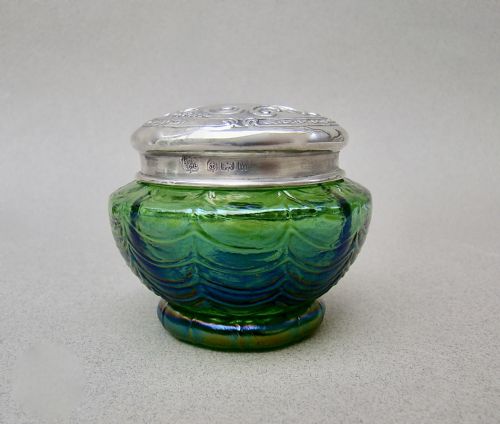
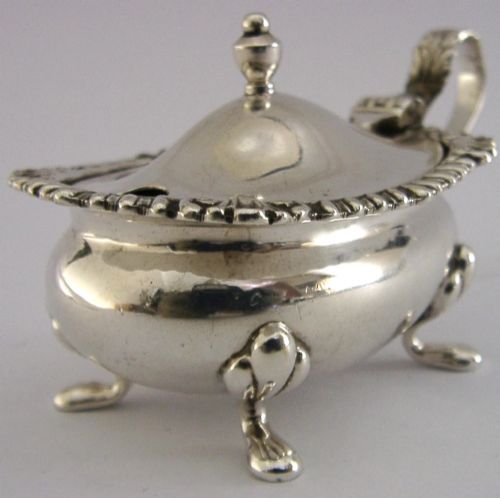
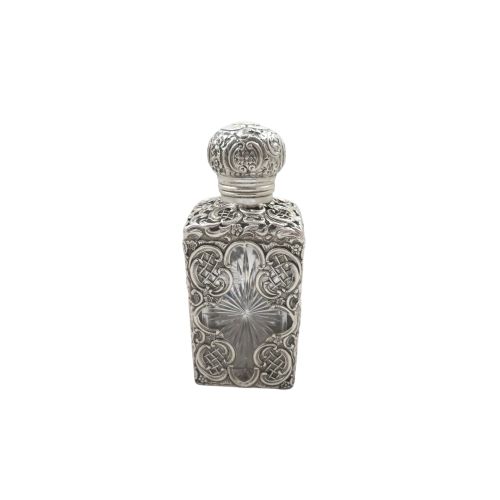
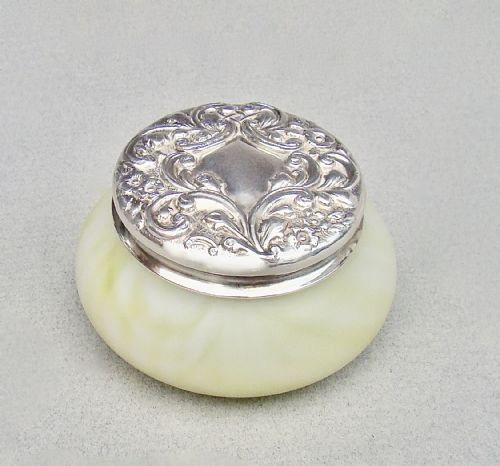
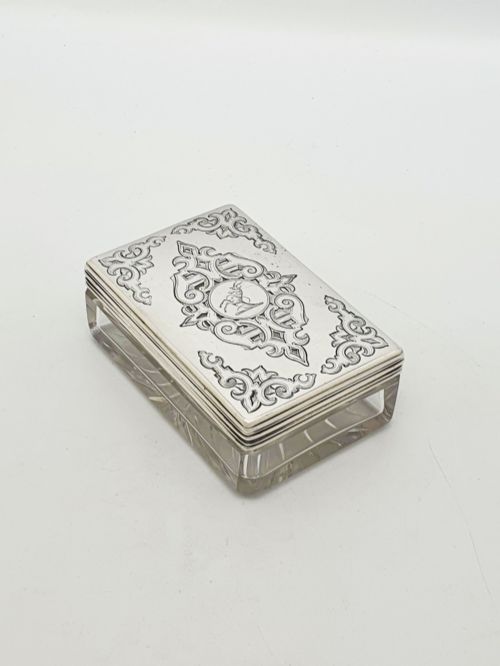
A sterling silver glass jar serves varied roles across dressing tables, writing desks, and dining rooms, taking the form of scent bottles, trinket boxes, vanity jars, and preserve pots. The physical evidence shows containers designed for powders, perfumes, mustard, and biscuits, merging utilitarian storage with domestic display.
The pieces appearing most frequently across these records date from the Victorian, Edwardian, and Art Deco periods, with strong representations of George V assay marks. You will find small dressing table accessories alongside larger biscuit barrels and condiment pots, reflecting the shift in domestic habits from private vanity to social dining.
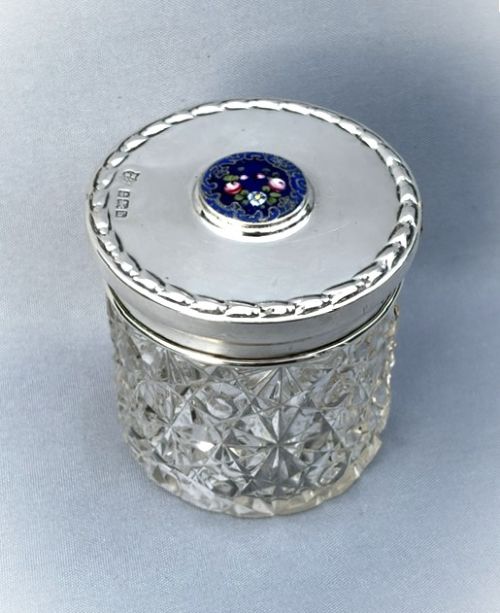
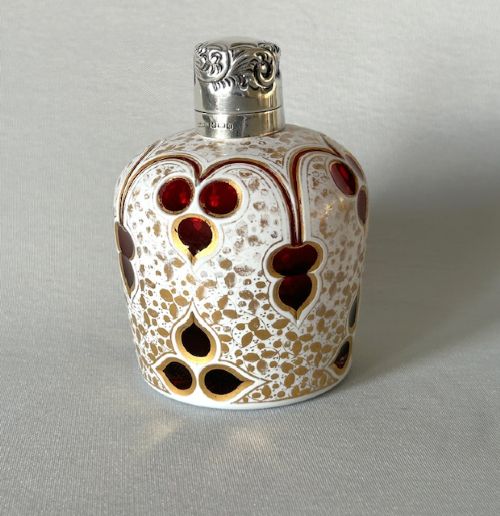
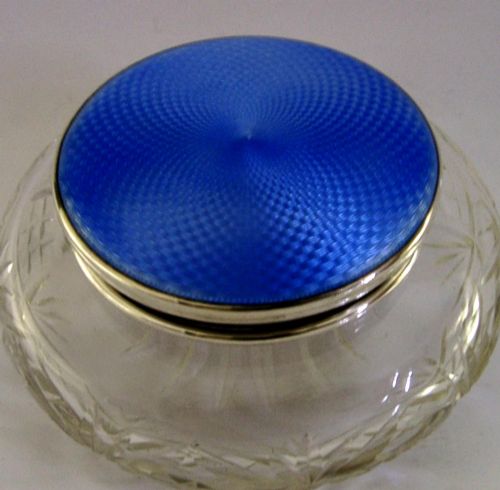
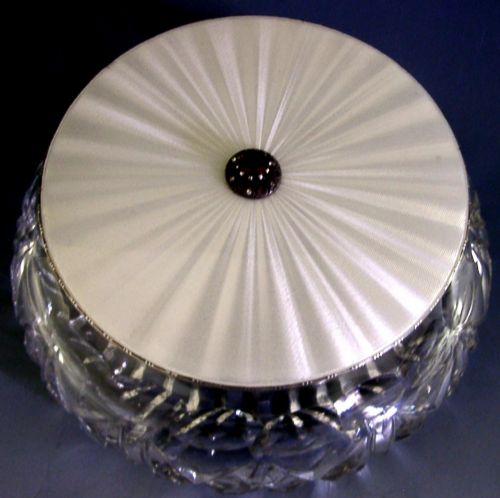
Makers utilised distinct glass types ranging from heavy cut crystal and satin glass to coloured variants like cranberry, blue, and amethyst. These bodies are capped with hallmarked silver lids, sometimes enhanced with enamel or tortoiseshell inserts.
How they were made
The glass components were produced through blowing, moulding, or heavy cutting, resulting in multifaceted crystal surfaces or smooth, coloured glass bodies. Artisans then fitted these vessels with sterling silver mounts, collars, and hinged or slip-on lids stamped with assay office hallmarks.
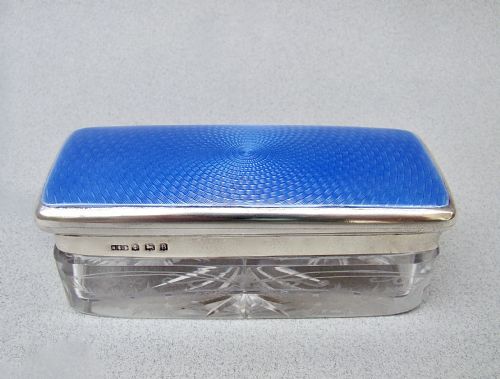
Surface decoration frequently involved guilloche enamel work, coloured pastes, and etched designs applied directly to the silver or the glass. Where tortoiseshell, faux tortoiseshell, or celluloid appears, it is pinned or mounted flush into the silver lid framing.
Listings feature items from the Victorian, Edwardian, and Art Deco eras, combining sterling silver with cut glass, enamel, and tortoiseshell.
What varies in quality
The standard of a piece rests upon the weight and thickness of the glass body, alongside the gauge of the sterling silver used for the lid and mounts. Heavier cut crystal and substantial silver stampings indicate higher manufacturing investment.
Execution of decorative details such as engine-turned guilloche enamel, hand-engraving, and fitted interior glass liners distinguishes standard production from finer workshop output. The crispness of the assay hallmarks and the precision of the lid closure further define the tier of the object.
A. J. Pepper & Co·Henry Clifford Davis·A. Bromet & Co·Barnsley & Co·Adie Brothers Ltd·Walker & Hall·Goldsmith's and Silversmith's Co·Jonathan Douglas·Asprey & Co
The Sterling Silver Glass Jar Glossary
- Guilloche enamel
- Enamel applied over a mechanically engraved metal surface, creating repeating geometric patterns beneath translucent colour.
- Cut crystal
- Glass with a high lead content cut with facets or patterns that refract light sharply.
- Satin glass
- Glass treated with hydrofluoric acid to produce a velvety, matte finish rather than a high gloss.
- Assay mark
- Official stamp indicating the purity of the silver, the assay office, and the year of testing.
- Vanity jar
- A container made for holding cosmetics, creams, or hairpins on a dressing table.
Sterling Silver Glass Jar: Frequently Asked Questions
What were sterling silver glass jars used for?
These vessels held personal items on dressing tables, including perfumes, face powders, pins, and trinkets. Larger examples served dining purposes, containing mustard, jam, biscuits, or preserves.
The duality of glass and silver allowed contents to remain visible while protecting them beneath a secure, decorative metal lid.
How do I date a silver lid?
British sterling silver lids carry hallmarks that identify the assay office, the standard mark, and a specific date letter. Matching this letter against regional assay tables reveals the exact year of manufacture.
The glass body may occasionally pre-date the silver mount, though most period pieces were manufactured as unified sets.
How should I clean the enamel?
Enamel surfaces require gentle cleaning with a soft, damp cloth and mild soap to preserve the glass paste. Immersion in liquid silver dip will ruin enamel and weaken any internal adhesives.
Polish only the sterling silver sections carefully with a dry microfibre cloth, keeping polishes away from the glass and enamel borders.
Are replacement glass liners common?
Many condiment and preserve jars relied on fitted glass liners to protect the silver from acidic contents like mustard or jam. Replacements do occur because thin antique glass is vulnerable to cracking over decades of use.
A correct fit should sit flush within the silver collar without rocking or straining the hinges.