

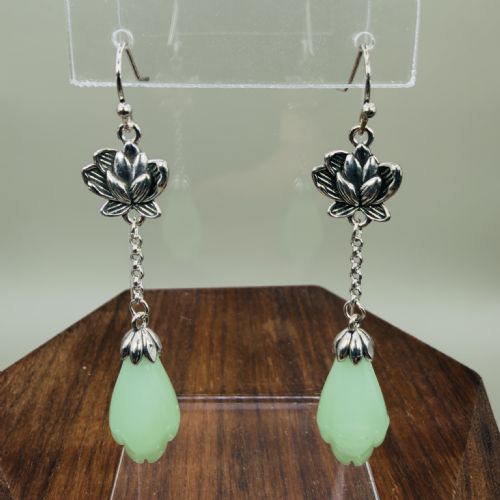
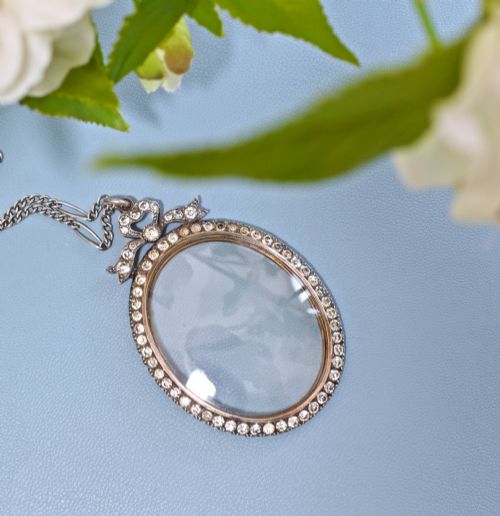
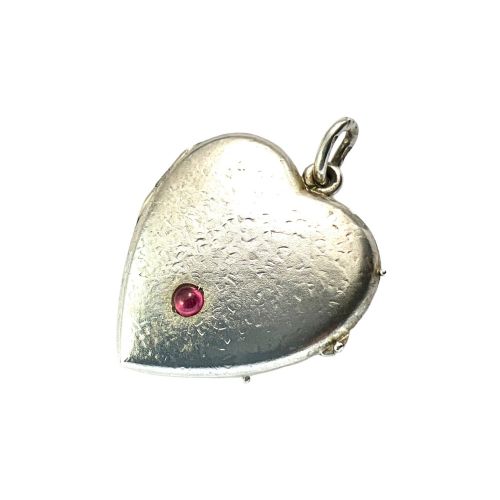
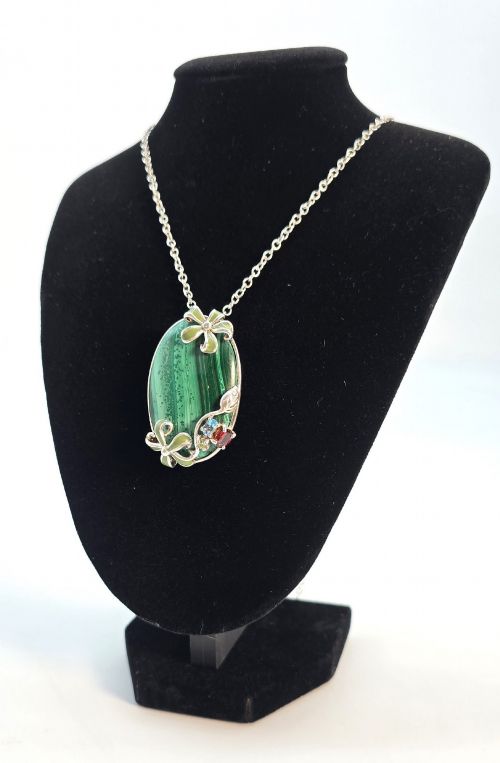


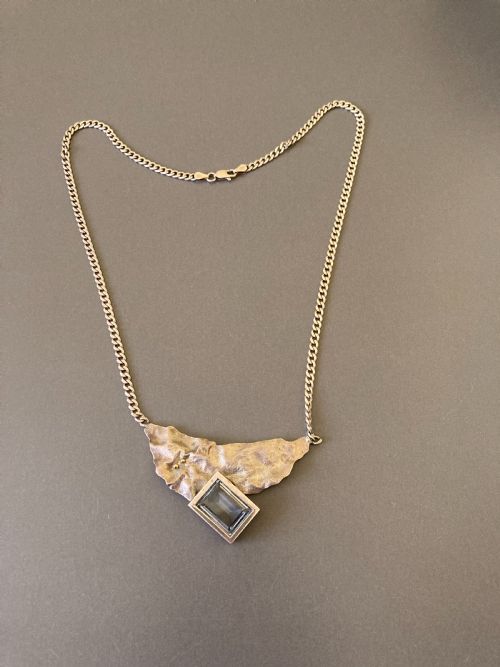


Sterling Silver Gemstone Jewellery
Sterling silver gemstone jewellery brings together precious metal and natural stones, offering distinctive pieces from the Edwardian era through to the mid-century.
Sterling Silver Gemstone Jewellery
Sterling silver gemstone jewellery encompasses rings, earrings, necklaces, pendants, bracelets, lockets and trinket boxes spanning from the Edwardian period into the 1950s and 1960s. These items range from early twentieth-century Arts and Crafts and Art Deco designs to mid-century modernist creations.
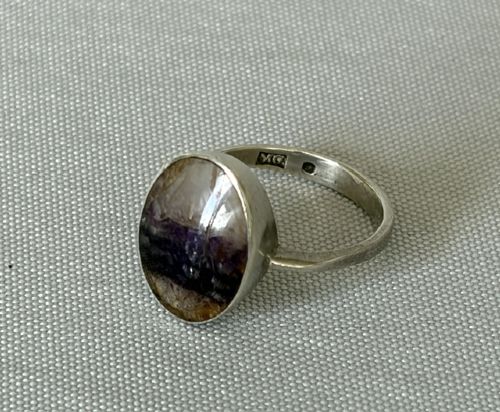
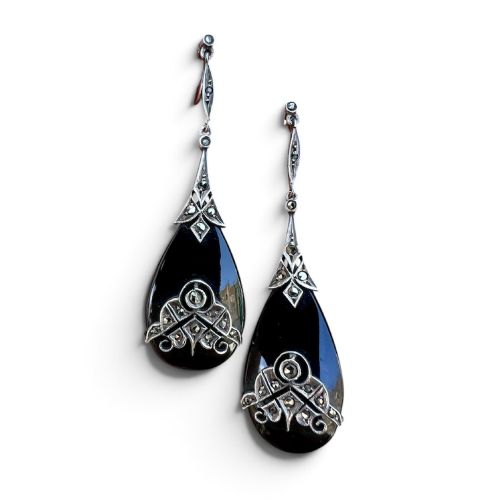
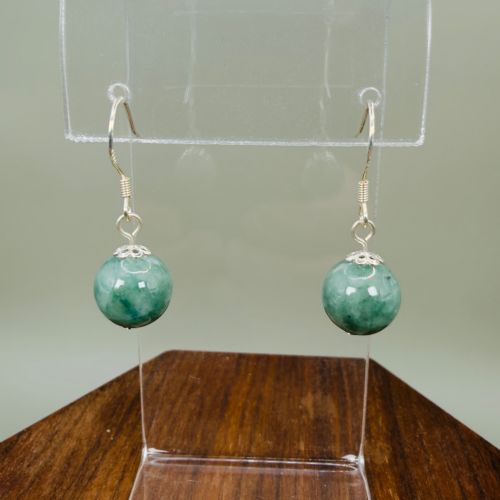
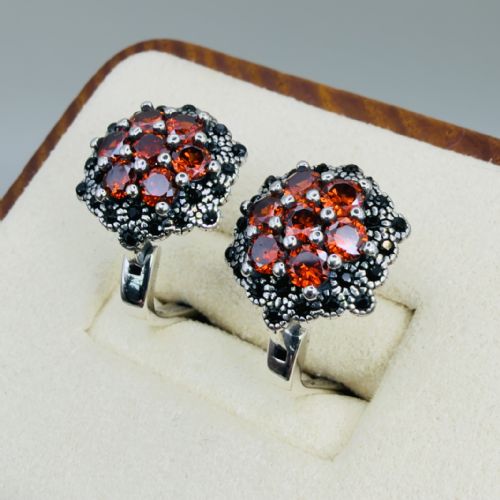
The pieces on this page feature a wide variety of natural stones set in silver, including moonstone, amethyst, amber, Blue John fluorite, onyx, marcasite, jade, garnet, tourmaline, chalcedony, citrene, topaz, chrysoprase, coral, opal and malachite. Items often reflect the specific stylistic movements of their time, from Scottish silver work to Celtic revival and pierced filigree settings.
How they were made
Makers utilised sterling silver alongside base metals, gold highlights and enamel work, shaping the metal through casting, pierced filigree and hand-setting techniques. Stones were selected for their natural cabochon or faceted cuts, secured into bezels, claw settings or hinge backs.
Craftsmen applied traditional bench skills, incorporating hallmarks, maker marks and initials directly into the silver structures of pendants, rings and bracelets.
The listings span the Edwardian period, the 1920s, 1930s, and mid-century modernism, utilising materials from Blue John fluorite to milk opal.
What varies in quality
Quality in these pieces rests on the precision of the silver smithing, the clarity and cut of the gemstone, and the integrity of the setting. Hand-wrought details, such as pierced filigree or bespoke bezel work, elevate individual examples.
The distinction between standard commercial production and finer workshop output lies in the weight of the silver, the security of stone mountings and the preservation of original patination.
Liberty and Co·Dorrie Nossiter
The Sterling Silver Gemstone Jewellery Glossary
- Cabochon
- A gemstone shaped and polished with a smooth, rounded surface rather than faceted. This style is frequently seen on moonstone, opal and turquoise pieces.
- Filigree
- Delicate ornamental work of fine silver wire intertwined to form openwork patterns. It appears often in mid-century bracelets and pendants.
- Marcasite
- Small, faceted pieces of iron pyrites set into silver to provide sparkle. This material is characteristic of Art Deco designs.
- Arts and Crafts
- A design movement valuing handcraftsmanship and simple forms over mass production. Pieces from this style often display hammered silver and prominent natural stones.
Sterling Silver Gemstone Jewellery: Frequently Asked Questions
How do I clean silver gemstone jewellery?
Clean sterling silver gently with a soft polishing cloth designed for precious metals, avoiding harsh chemical dips that can damage softer or porous gemstones like amber, opal and moonstone.
Store pieces individually in soft pouches to prevent scratching between the silver settings and the stones.
What periods do these pieces represent?
The selection covers several distinct eras, beginning with Edwardian and early 1900s work, progressing through Art Deco and Arts and Crafts movements, and extending into 1950s and 1960s mid-century modernism.
Each period brings specific design characteristics, from Edwardian lockets to modernist silver clusters.
Are all items solid sterling silver?
The listings include pieces marked as sterling silver, alongside items noted simply as silver or featuring gold accents and enamel work. Hallmarks and silver marks often provide specific confirmation of the metal purity.
Examining the reverse or interior of a piece typically reveals maker initials or standard purity stamps.
How can I identify an Arts and Crafts piece?
Arts and Crafts items generally display hand-wrought silver techniques, visible hammer marks, and bezel-set cabochon stones rather than machine-faceted gems. The focus rests on the natural qualities of the materials and the individuality of the workshop.
Prominent makers from this tradition often incorporated distinctive leaf or floral motifs into pendants and brooches.