




Sterling Silver Chalice Cup
A sterling silver chalice cup brings weight and historical ceremony to the table, taking forms from Georgian racing trophies to ecclesiastical vessels.
Sterling Silver Chalice Cup
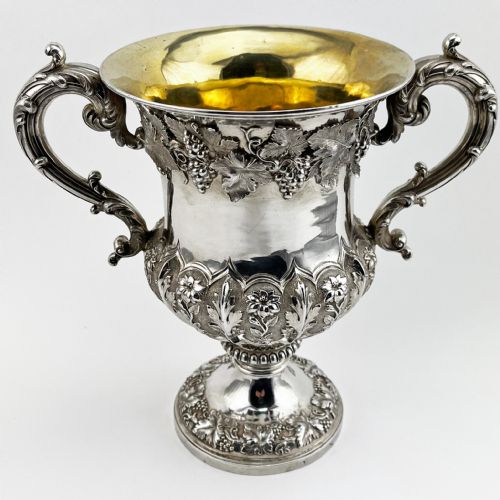
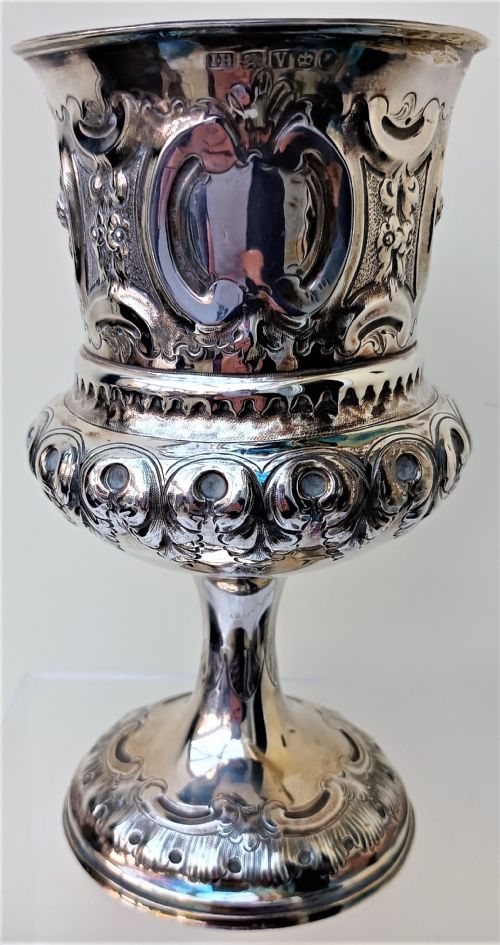
A sterling silver chalice cup encompasses a broad family of footed drinking vessels, presentation pieces, and ritual cups found across multiple centuries. When searching for a sterling silver chalice cup, buyers encounter everything from austere Georgian wine goblets to elaborate Victorian presentation trophies and religious vessels.
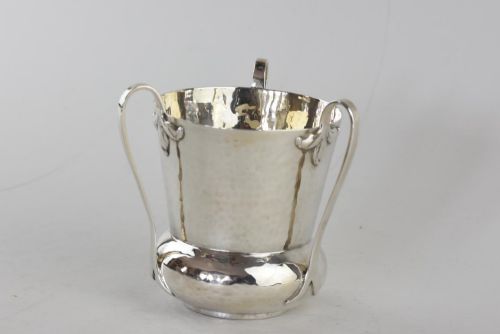
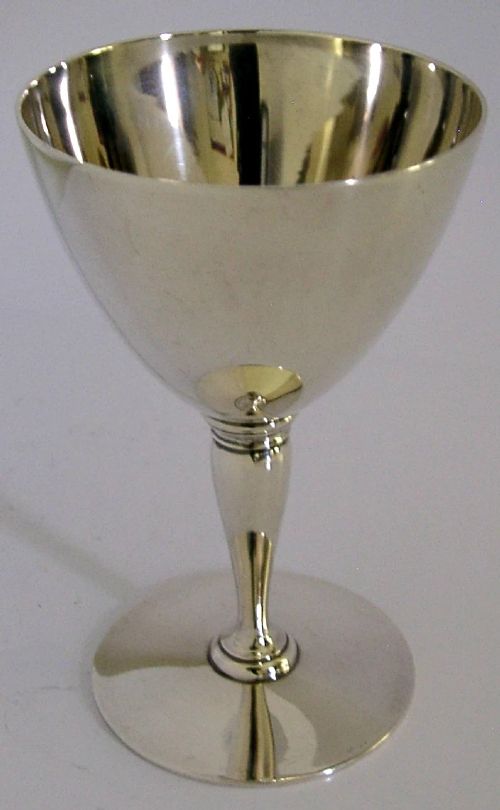
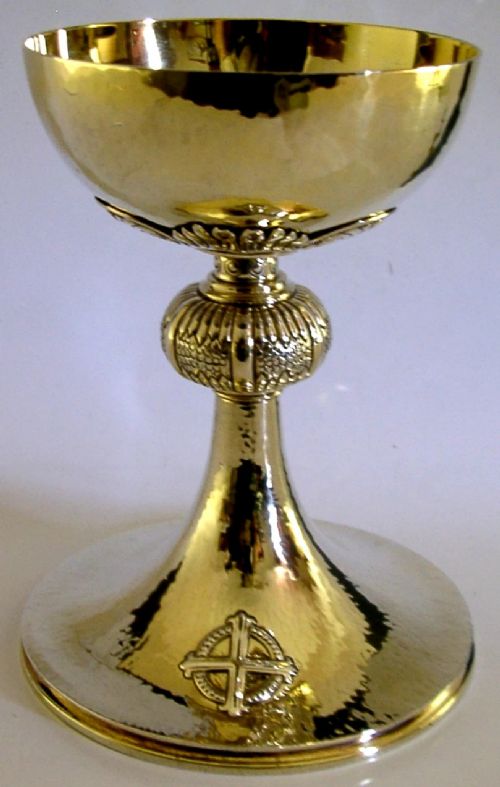
The selection ranges across distinct periods, drawing heavily on Victorian and Georgian craftsmanship alongside Arts and Crafts, Art Deco, and mid-century ecclesiastical examples. Forms vary from simple vase-shaped bodies and bright-cut engraved goblets to multi-handled tygs, covered presentation cups, and specialised Judaica kiddush cups.
Origin points span English provincial and London assay offices, alongside Irish, Chinese Export, and Russian workshops. The most frequent meetings on this page are nineteenth-century sterling silver goblets and twentieth-century ecclesiastical or trophy cups.
How they were made
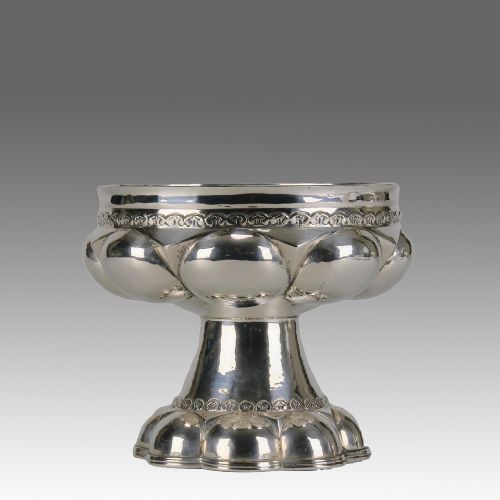
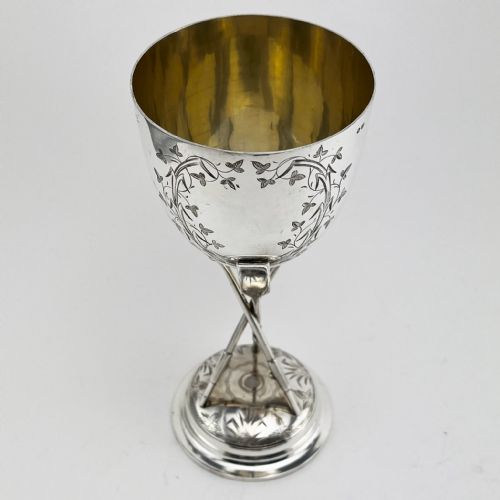
Makers shaped these drinking vessels primarily from sterling silver, employing techniques such as hammering, casting, and raising from flat sheet metal. Many examples incorporate surface enrichment like parcel gilding, silver gilt, vermeil, or delicate bright-cut engraving.
Some specialised forms integrate contrasting elements, utilising ebonised wood bases or fitted velvet linings to complement the polished metal work. Structural construction typically involves joining a hammered or spun bowl to a cast stem and foot ring.
Sterling Silver Chalice Cup Retail Price Guide 2026
Typical asking prices for sterling silver chalice cup among the pieces listed under this phrase on Sellingantiques today, from the lower quarter to the upper quarter. They describe what is for sale here now, not the wider market.
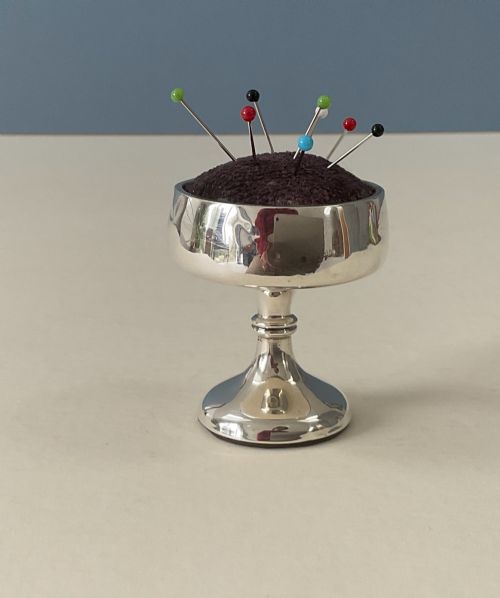
Some nineteenth-century silversmiths transformed the humble drinking cup into a novelty pin cushion for the Victorian sewing table.
What varies in quality
Quality rests in the crispness of the maker's engraving, the structural balance of bowl to stem, and the integrity of the silver gauge itself. Superior pieces display substantial weight, clean solder joints, and confident hand-hammered texturing or chasing that avoids flattening.
Provenance and maker reputation heavily elevate certain objects, particularly those bearing the marks of notable silversmiths or historic presentation inscriptions. The distinction between a standard utility cup and a masterwork lies in the depth of decorative detail and the precision of the assay office hallmarks.
Lambert and Co·Nathan and Hayes·George Unite·William Eaton·James Deakin and Sons·Henry Tatton and Son·Joseph Rodgers and Sons·Thomas Sutton
The Sterling Silver Chalice Cup Glossary
- Sterling silver
- An alloy comprising ninety-two point five percent silver by mass, with the remainder usually copper. This standard composition guarantees durability while maintaining a bright metallic lustre.
- Gilding
- The application of a thin layer of gold to the surface of the silver object. When applied internally to drinking vessels, it protected the metal from acidic wines.
- Bright-cut engraving
- A surface decoration technique utilising angled chisel cuts that create faceted, light-reflecting grooves. It was particularly popular on Georgian and Victorian hollowware.
- Tyg
- A large drinking vessel featuring three or more handles designed for communal passing. They frequently appear in Arts and Crafts silverwork.
- Kiddush cup
- A ritual goblet used in Jewish households to bless the Sabbath and festivals. These vessels often feature traditional Hebrew inscriptions and delicate chasing.
Sterling Silver Chalice Cup: Frequently Asked Questions
What is a chalice cup used for?
These vessels served diverse functions ranging from sacramental wine distribution in churches to communal toasts at banquets. Many also functioned as athletic prizes, civic presentation pieces, or ritual cups for domestic religious observances.
Over time, their roles shifted from active table service and ceremony to display items, presentation trophies, and collector centerpieces.
How do I clean sterling silver?
Cleaning requires a soft microfiber cloth and a mild, non-abrasive silver polish formulated to remove tarnish without stripping the underlying metal. Avoid harsh chemical dips, which can permanently ruin patination and delicate engraved details.
Regular, gentle dusting and careful handling prevent the buildup of heavy oxidation and preserve the crispness of the hallmarks.
How do I date a silver cup?
Dating relies primarily on the assay office hallmarks stamped directly onto the metal, which include maker marks, standard marks, and date letters. Each British assay office utilised specific cycles of alphabetic characters to indicate the exact year of manufacture.
Stylistic cues such as Georgian bright-cut engraving, Victorian aesthetic movement motifs, or Art Deco geometric lines further narrow the period of creation.
Can I drink from an antique cup?
Drinking from these vessels is physically possible, provided the interior surface remains clean and free from harmful corrosion or historic repairs. Many collectors prefer to reserve them for display due to their historical significance and delicate construction.
If used for wine or ceremonial beverages, the cup should be washed immediately afterwards with warm water and mild soap, then dried thoroughly.