



Sterling Silver Card Tray
A sterling silver card tray is a small serving piece designed for calling cards, meeting you in Georgian, Victorian, and Edwardian styles.
Sterling Silver Card Tray
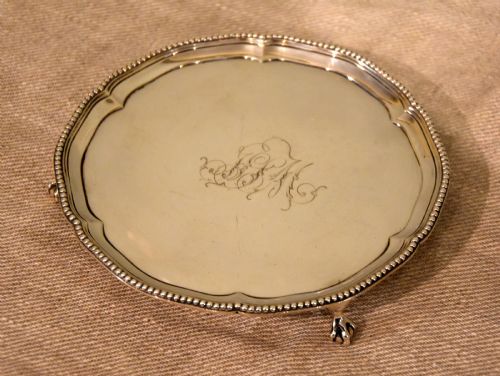
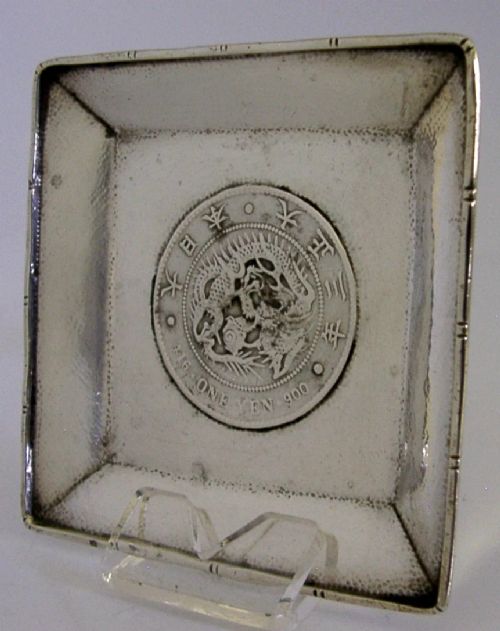
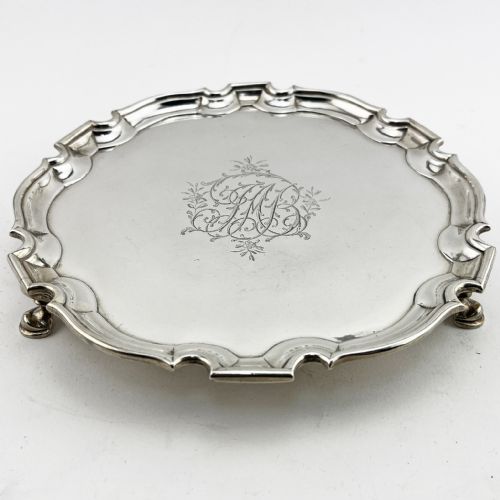
A sterling silver card tray is a compact serving piece designed for holding visiting cards, most frequently found in Georgian and Victorian forms across this selection. These items range from small pin dishes and bowls to larger salvers and trays, often featuring raised edges or supporting feet.
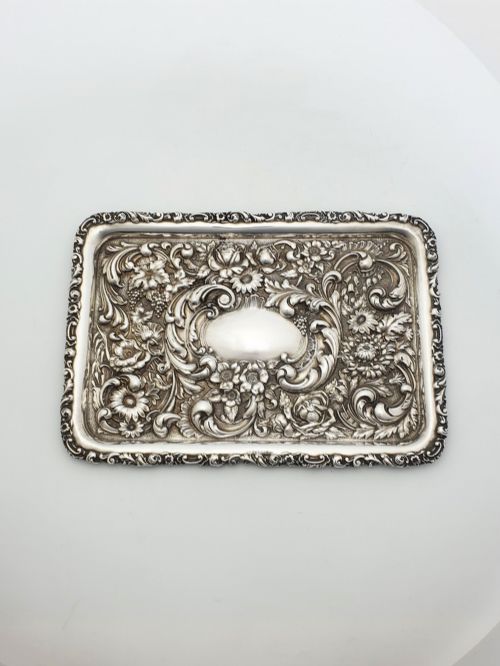
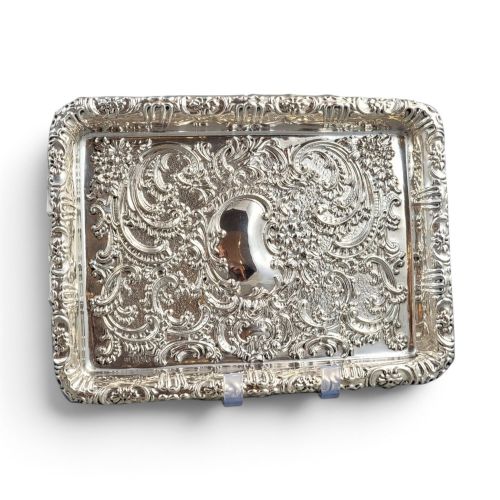
You are most likely to meet pieces from the Georgian and Victorian eras, alongside Edwardian examples such as those bearing Rococo floral repoussé. The selection spans periods from the eighteenth century through to the early twentieth century, including Chinese Export and Irish Georgian variations.
What varies in quality
The distinction between standard and superior pieces rests upon the crispness of chased or repoussé decoration and the weight of the metal utilised. Heavier gauge silver provides a more substantial feel in the hand and resists bending.
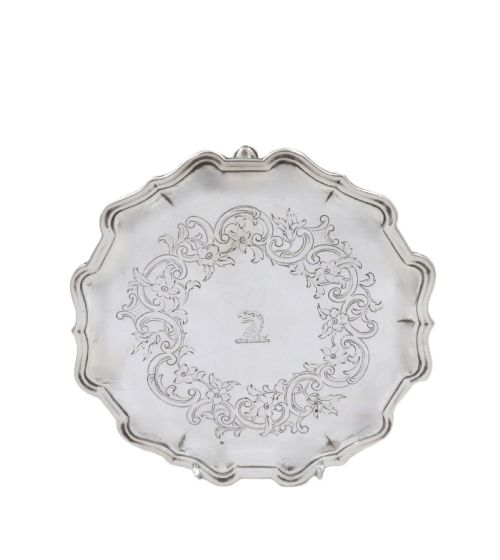
Engraved armorial crests and heraldic designs executed with fine detail elevate the standing of a piece compared to plain surfaces. The clarity of the maker marks and assay office stamps also influences the standing of the work.
Listings feature sterling silver and metal forms spanning the eighteenth, nineteenth, and twentieth centuries, including Chinese Export and Irish Georgian origins.
Robert Abercromby·Robert Pringle and Sons·Tiffany and Co·Charles Boyton·Richard Rugg
The Sterling Silver Card Tray Glossary
- Repoussé
- A metalworking technique where the smith hammers the design from the reverse side to form a raised pattern on the front. This method creates tactile floral and scroll motifs on the surface.
- Salver
- A flat metal plate or tray used for serving drinks or presenting cards. These pieces typically stand on small feet rather than resting flat on a surface.
- Guilloche enamel
- A decorative technique involving precise mechanical engraving beneath translucent enamel. It provides repetitive geometric patterns with coloured depth.
- Hallmark
- A official stamp applied to precious metals to guarantee standard and origin. These marks identify the maker, city, and year of assay.
- Armorial crest
- A heraldic design engraved onto the silver surface to denote family lineage. These personalisations often appear alongside mottoes or coats of arms.
Sterling Silver Card Tray: Frequently Asked Questions
What is a sterling silver card tray used for?
These pieces were originally utilised in polite society for presenting and holding visiting cards left by callers. Households placed them in hallways to manage social correspondence.
Today, they function as decorative desktop accessories or small dishes for holding everyday pocket items. Their compact size suits placement on side tables and dressers.
How do I tell Georgian from Victorian pieces?
Georgian items generally display cleaner lines, simpler borders, and restrained engraving styles typical of the eighteenth and early nineteenth centuries. Their hallmarks reflect the reigning monarch of that specific period.
Victorian and Edwardian examples often feature heavier, more ornate decoration such as Rococo floral repoussé. Maker marks and date letters stamped into the metal confirm the exact decade of production.
How do I clean sterling silver safely?
Cleaning requires a soft microfiber cloth and a dedicated silver polish designed to lift tarnish without abrasive rubbing. Gentle washing in warm soapy water removes daily dust before polishing.
Harsh chemical dips should be avoided, particularly on pieces with enamel or detailed recessed chasing. Regular gentle wiping preserves the natural patina built up over decades.
Why do some trays have crests?
Engraved armorial crests indicated the noble or gentry family who originally owned the piece. Families commissioned silversmiths to add their personal heraldry to household silver.
These crests provide historical context and sometimes allow researchers to trace the provenance of an individual tray. They represent the personal nature of elite domestic items from the period.