





Sterling Silver Caddy Shovel
These sterling silver caddy shovel pieces bring tactile weight and historic charm to the tea table, prized by collectors for their miniature scale and varied regional forms.
Sterling Silver Caddy Shovel
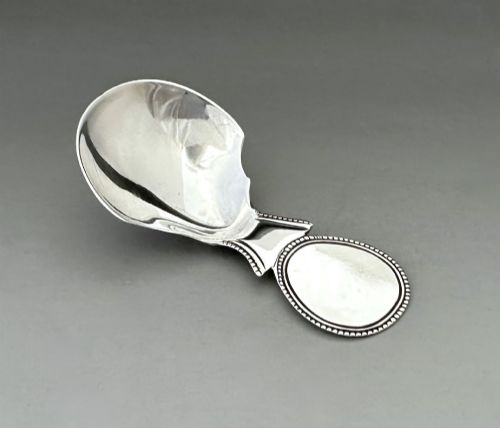
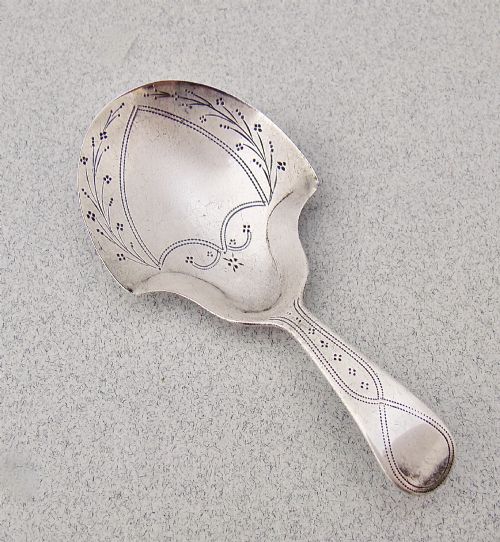
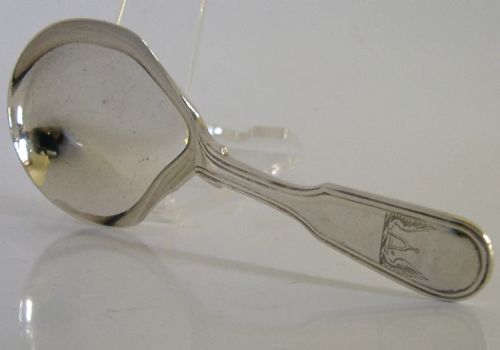
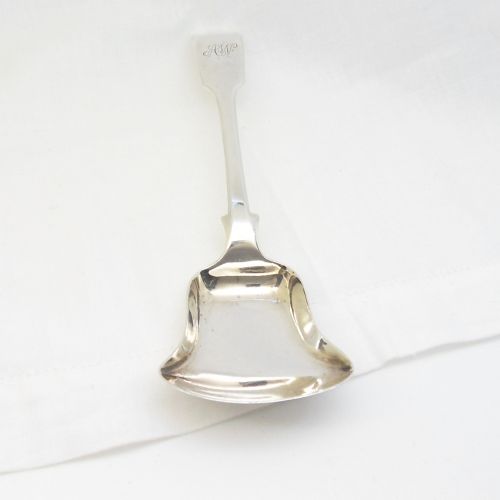
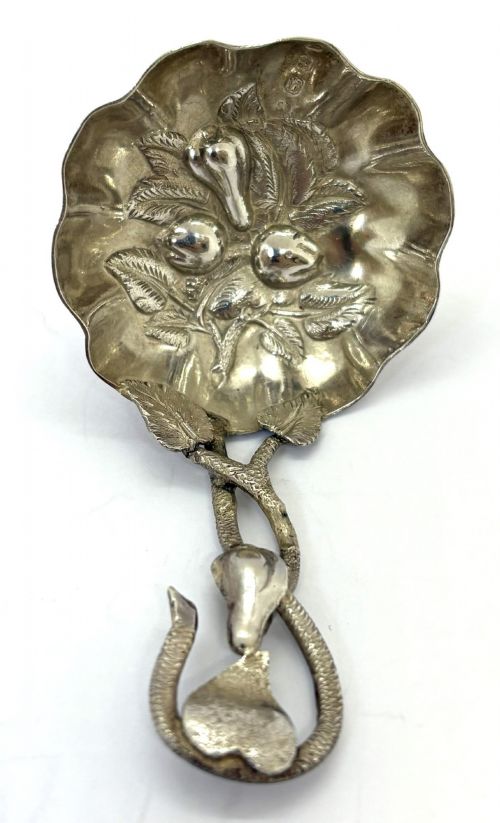
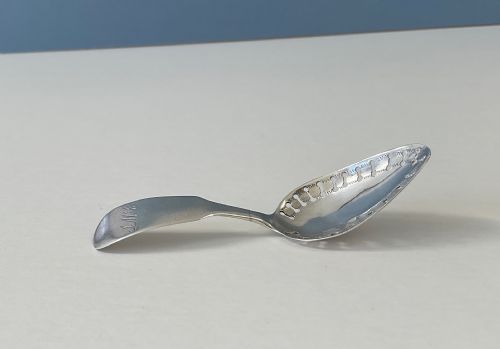
When you search for a sterling silver caddy shovel, you encounter miniature serving pieces designed specifically for measuring and dispensing dry tea leaves from a caddy into a pot. The most common versions on this page belong to the Georgian and Victorian periods, often taking the form of diminutive shovels or spade-shaped bowls.
Makers shaped these items in various regional styles, including Scottish Provincial, London assay office pieces, and later twentieth-century interpretations like Danish Modern and Art Deco. They function as both tea accessories and silverware collectables, combining utility with distinct historical character.
How they were made
Silversmiths constructed these pieces primarily from sterling silver, shaping the bowls through hammering and pressing techniques suited to small items. Some examples incorporate parcel-gilt or silver-gilt finishes, applying a thin layer of gold to the interior of the bowl to protect the silver from the corrosive oils in tea leaves.
Workshops in regional centres such as Newcastle and Glasgow utilised traditional hand-forging methods alongside stamped components. Engraved family crests and delicate handle detailing demonstrate the manual skill applied by makers like John Walton and George Wintle.
Sterling Silver Caddy Shovel Retail Price Guide 2026
Typical asking prices for sterling silver caddy shovel among the pieces listed under this phrase on Sellingantiques today, from the lower quarter to the upper quarter. They describe what is for sale here now, not the wider market.
Listings feature sterling silver and parcel-gilt items spanning Georgian, Victorian, Art Deco, and Danish Modern periods.
What varies in quality
Quality in these items rests upon the crispness of the hallmarks, the legibility of any engraved family crests, and the original integrity of the bowl shape. Pieces retaining sharp edges on the shovel blade and clear silversmith marks command greater attention from collectors.
The degree of surface finishing, such as parcel-gilt highlights and balanced proportions between the handle and the shovel bowl, distinguishes standard production items from finer provincial and London-made examples.
John Walton·Mappin & Webb·Georg Jensen·George Wintle
The Sterling Silver Caddy Shovel Glossary
- Hallmark
- A series of official marks stamped on precious metals, indicating the maker, assay office, standard of purity, and year of manufacture. These stamps allow collectors to date pieces accurately.
- Parcel-gilt
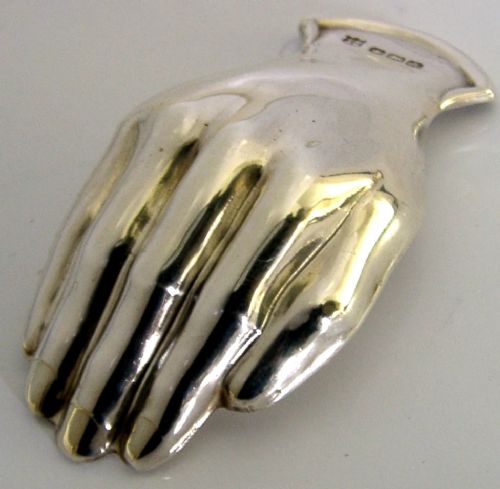
- A decorative treatment where specific parts of a silver object, usually the interior of the bowl, are gilded with gold. This prevents the silver from tarnishing when in contact with tea.
- Scottish Provincial
- Silverware produced and marked in Scottish towns outside Edinburgh and Glasgow, such as Aberdeen or Perth. These items often feature unique local maker marks.
- Caddy spoon
- A small spoon specifically designed for transferring tea leaves from a storage caddy into a teapot. They appear in various shovel, leaf, and hand motifs.
- Provincial
- Refers to items made outside the capital city, often displaying distinct regional characteristics and local assay office hallmarks. These pieces offer insight into non-metropolitan craftsmanship.
Sterling Silver Caddy Shovel: Frequently Asked Questions
What is a sterling silver caddy shovel?
A sterling silver caddy shovel is a small scoop designed for measuring tea leaves from a caddy. They date primarily from the Georgian and Victorian eras.
These items combine practical utility with decorative miniature craftsmanship, often featuring shovel-shaped bowls and engraved details.
How do I date an antique caddy spoon?
Dating relies on reading the hallmarks stamped onto the silver. These marks indicate the assay office and the specific year letter.
Additional clues come from the overall style, handle shape, and engraving techniques typical of Georgian or Victorian design periods.
Were these used only for tea?
While primarily made for tea caddies, many similar small shovels served as sugar shovels. Their shapes accommodated both dry leaf tea and loose sugar lumps.
Collectors often group tea caddy spoons and sugar shovels together under general tea accessories and silverware.
Why are some caddy shovel bowls gilded?
Gilding the interior of the bowl, known as parcel-gilt or silver-gilt, protected the silver from tarnishing. Tannin and moisture in tea leaves could otherwise discolour plain silver.
This decorative layer also added a warm visual contrast to the polished sterling silver exterior of the shovel.