



Sterling Pin Trays
Sterling pin trays are small, precious metal receptacles designed for dressing tables and desks, offering a refined way to hold daily pocket items.
Sterling Pin Trays
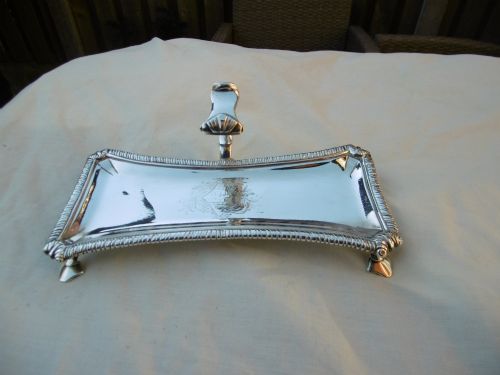
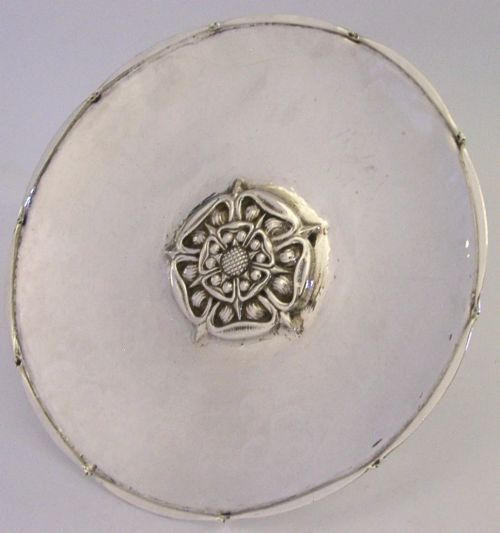
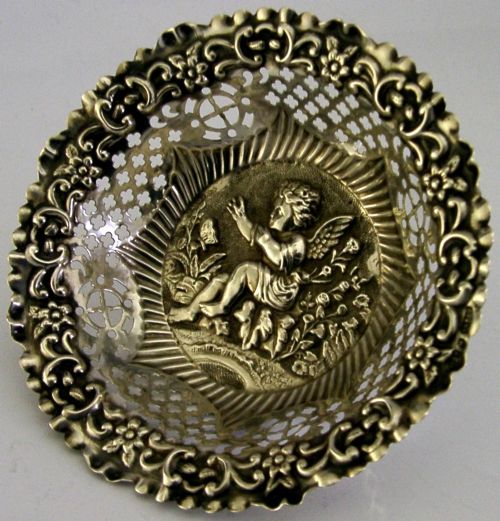
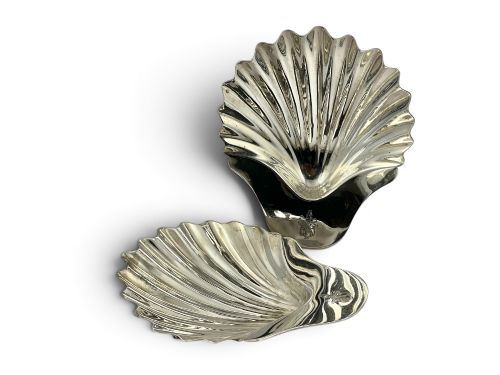
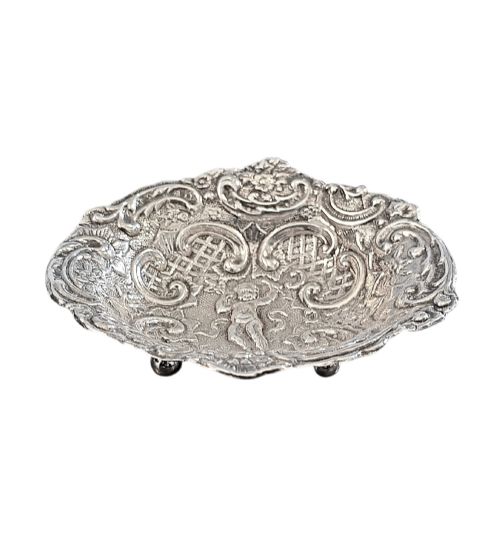
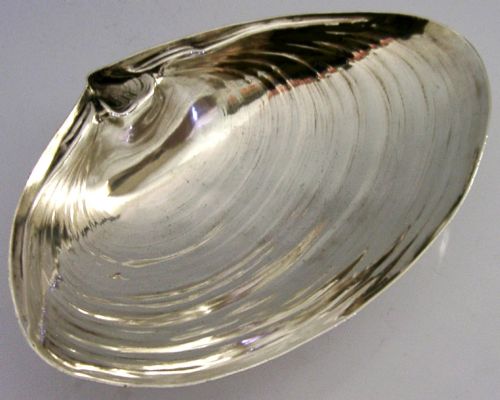
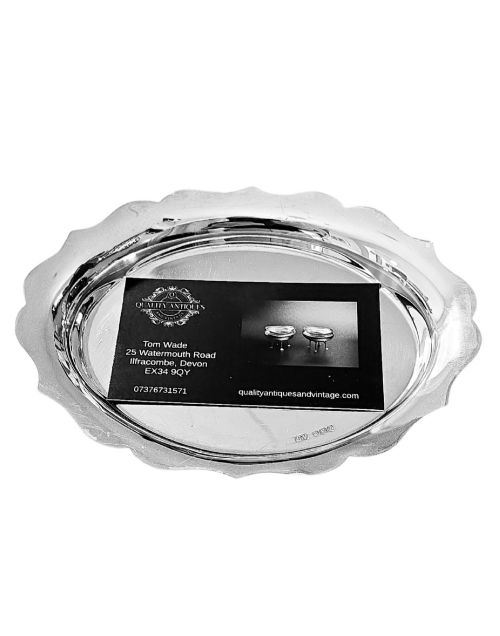
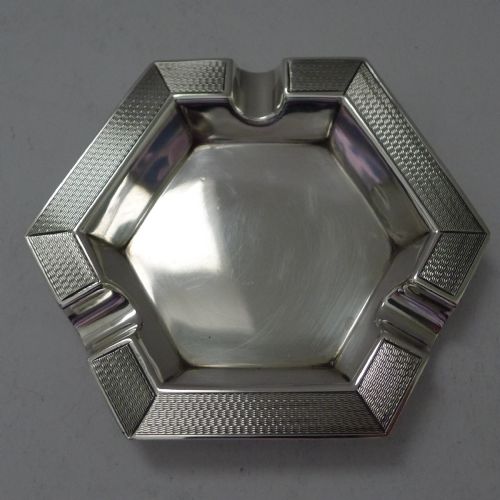
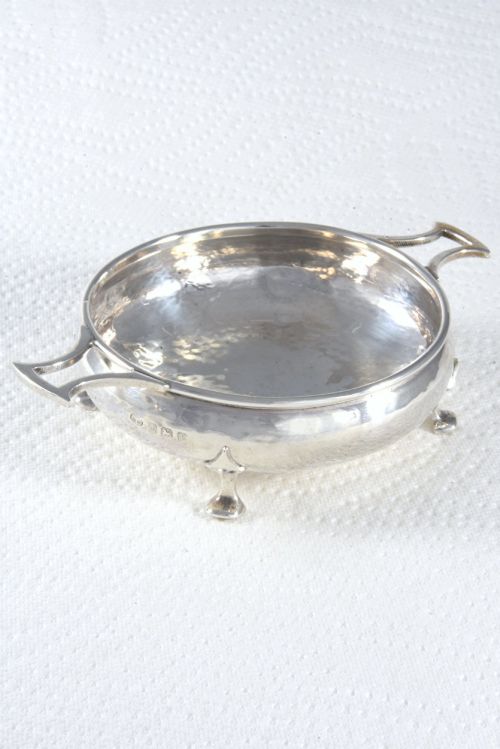
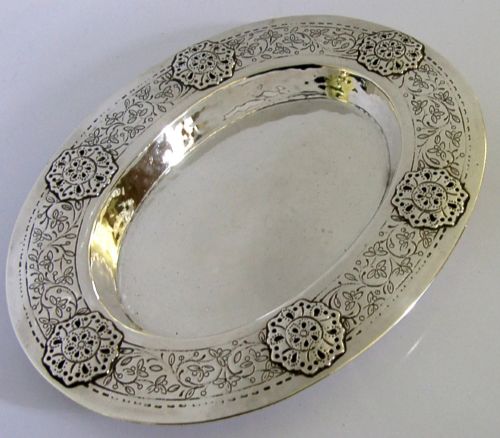
The assortment on this page leans heavily toward British assay office origins, with Birmingham and London hallmarks appearing frequently alongside American and Chinese export pieces. You are likely to meet floral repoussé decoration, cherub motifs, and smooth silver surfaces that reflect the tastes of the late nineteenth and early twentieth centuries. Styles span from Edwardian Rococo Revival and Art Nouveau to Arts & Crafts designs.
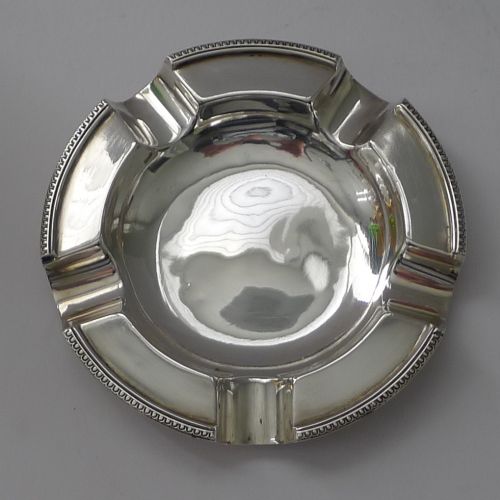
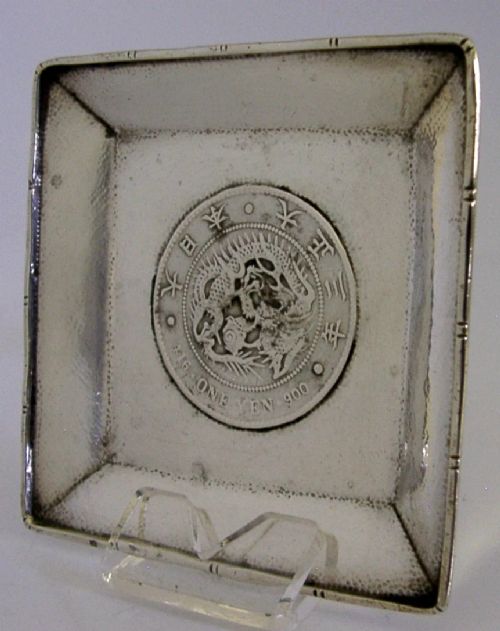
Alongside standard silver dishes, variations include coin inset trays utilising British Trade Dollars or Japanese Yen, as well as occasional enamel highlights from Norwegian makers. These functional vessels served various domestic purposes in period homes, functioning as ashtrays, dressing table trays, or decorative dishes for small valuables.
Materials and construction methods
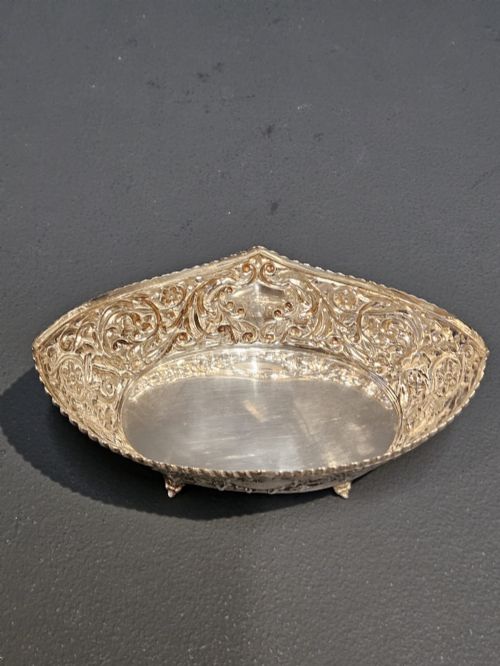
Silversmiths utilised solid sterling silver and standard silver alloys as the primary medium for these trays, often shaping them through hammering, pressing, or casting. Repoussé technique appears frequently, where artisans pushed the metal from the reverse side to create raised floral and figural relief on the surface. Hallmarks stamped directly into the silver record the assay town, date letter, and silversmith's mark.
Beyond plain metalwork, some examples incorporate applied elements such as integrated coins or vitreous enamel panels fused to the silver base. Textile elements like velvet or satin occasionally line fitted presentation cases accompanying pairs of dishes, though the trays themselves remain metal. Details such as cast cherub faces or chased scrollwork demonstrate the manual dexterity applied to small-scale objects.
Sterling Pin Trays Retail Price Guide 2026
Typical asking prices for sterling pin trays among the pieces listed under this phrase on Sellingantiques today, from the lower quarter to the upper quarter. They describe what is for sale here now, not the wider market.
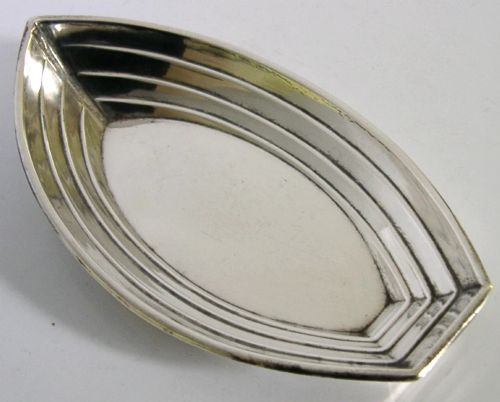
Silver ducks and rowing boats spent their working lives waiting to hold a gentleman's cuff-links after a long evening.
Distinctions in craftsmanship and origin
The distinction between standard commercial output and superior quality rests upon the crispness of the chasing and the depth of the metal relief. Pieces bearing marks from prominent makers or specific retail houses often display heavier gauge silver and more detailed hand-finished ornamentation. Simpler stamped dishes provide functional utility, whereas heavily repoussé or figural examples demand greater artisan labour.
Historical association and specific provenance also influence the standing of a piece within this category. Items connected to recognised workshops or unusual novelty forms, such as sailing boats or coin-inset dishes, represent distinct design choices outside standard domestic patterns. The legibility of full hallmarks adds clarity to the origin and date of the silver.
William Aitken·Thomas Bradbury & Sons·William Neale·Liberty & Co·Robert Pringle & Sons·William Comyns·Peter and Anne Bateman·John Grinsell & Sons
The Sterling Pin Trays Glossary
- Hallmark
- A series of official marks stamped on precious metals indicating the purity, maker, and year of assay. These marks provide the primary documentation for dating British silver.
- Repoussé
- A metalworking technique where the artisan hammers the metal from the reverse side to form raised patterns in relief on the front. This method creates the dimensional floral and figural designs seen on many Edwardian trays.
- Bonbon dish
- A small open vessel originally intended for holding sweets or confectionary on a table. In modern usage, collectors often group these with pin dishes and trinket trays.
- Chasing
- The complementary metalworking process to repoussé, executed from the front side to refine details and push background metal down. Silversmiths used this to sharpen the contours of leaves and figures.
- Assay office
- An official body responsible for testing the purity of precious metal items and stamping them with statutory hallmarks. Towns such as Birmingham, London, and Sheffield operated prominent offices.
Sterling Pin Trays: Frequently Asked Questions
What were sterling pin trays used for?
These small dishes were kept on dressing tables, entrance halls, and desks to hold pins, calling cards, coins, and small pocket items. They provided a designated spot for loose accessories in the Victorian and Edwardian household.
Over time, their uses adapted to changing domestic habits, serving as ashtrays, bonbon dishes for sweets, or purely decorative items displayed in cabinets.
How do I read silver hallmarks?
British hallmarks typically consist of a standard mark for silver purity, an assay office mark indicating the town, and a date letter corresponding to a specific year. An additional maker's mark identifies the silversmith or firm responsible for the piece.
Consulting published hallmarking registers allows you to match the date letter and maker's initials to verify the exact year of production and workshop origin.
Are these trays made of solid silver?
The listings on this page primarily comprise solid sterling silver or standard silver items, though occasional silver plate pieces appear in the broader record. Sterling silver denotes a fineness standard of nine hundred and twenty-five parts per thousand.
Physical hallmarks and testing confirm the metal composition, distinguishing solid pieces from plated alternatives that feature a base metal core.
How should I clean antique silver trays?
Maintenance requires gentle cleaning with a specialised silver cloth or mild non-abrasive polish to remove tarnish without disturbing the patina or finer details of the chased surface. Harsh chemical dips can strip the natural darkening in recessed areas and damage enamel or lined elements.
Storing pieces in dry environments away from direct sunlight helps preserve the metal finish and prevents rapid re-tarnishing.