



Sterling Cigarette Holder
A sterling cigarette holder is a pocket case or box for smoking gear, prized for its gleaming metal and pocketable utility.
Sterling Cigarette Holder
A sterling cigarette holder encompasses slender metal cases, compact boxes, and combination card or cheroot holders designed for the pocket. When you search for a sterling cigarette holder, you are looking at small silver containers made to hold tobacco products safely and stylishly.
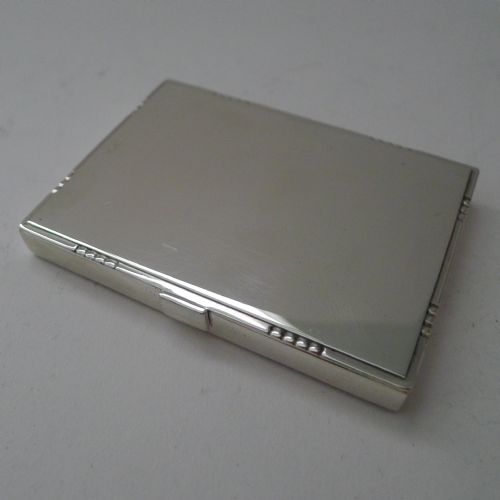
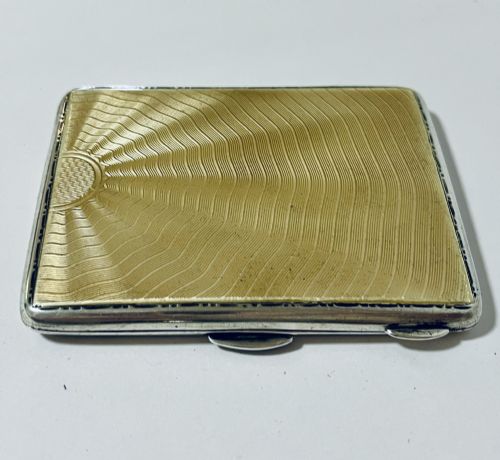
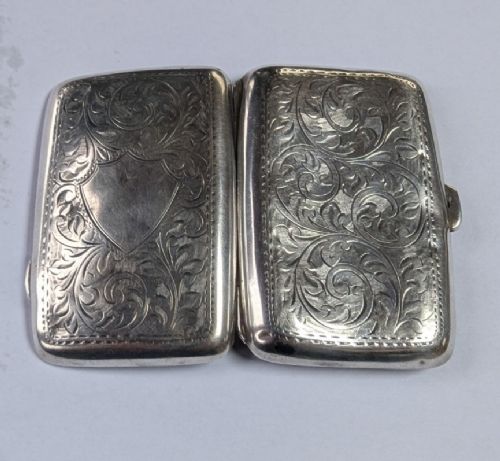
The pieces on this page span several decades, stretching from Victorian and Edwardian examples through to Art Deco designs of the 1930s and 1940s. You will frequently encounter rectangular metal cases alongside decorative boxes and card cases that double as tobacco storage.
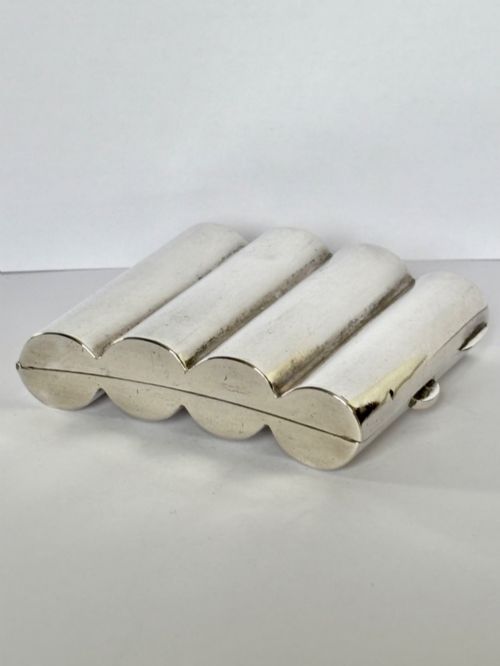
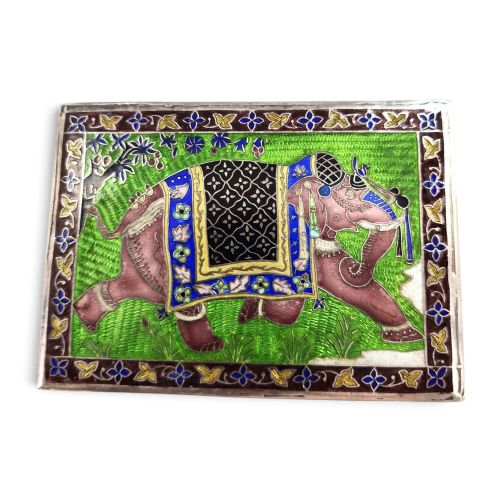
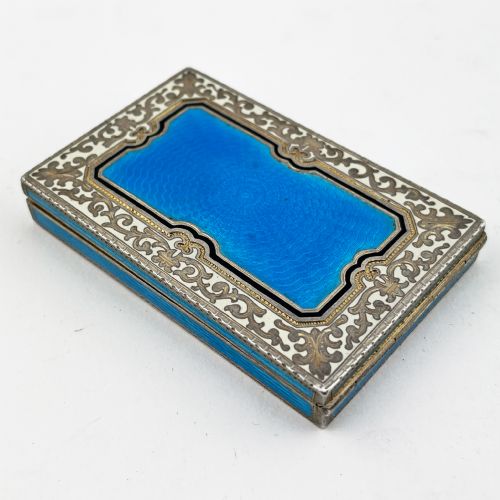
Makers and origins vary widely, ranging from British workshops in Birmingham and London to continental European makers and Indian Colonial pieces. Forms include curved cases meant to fit the pocket and decorated boxes adorned with enamel or hand-painted motifs.
How they were made
Silversmiths constructed these pieces primarily from sterling silver, employing techniques such as pressing, engraving, and hinging to create sturdy everyday objects. Many items incorporate internal clips or straps to secure the contents firmly in place.
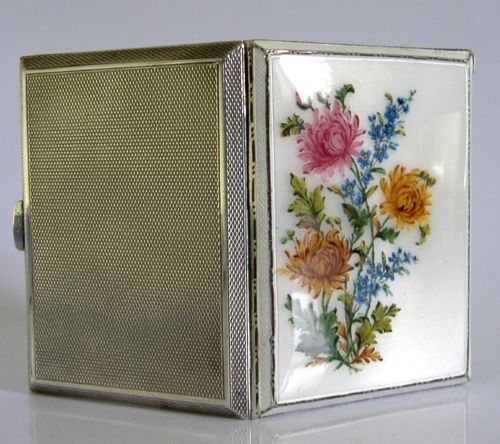
Decoration often involves vitreous enamel, hand-painted flower motifs, or gilt metal highlights applied to the silver surface. Continental and Indian Colonial examples display distinct regional engraving styles alongside silver gilt finishes.
Sterling Cigarette Holder Retail Price Guide 2026
Typical asking prices for sterling cigarette holder among the pieces listed under this phrase on Sellingantiques today, from the lower quarter to the upper quarter. They describe what is for sale here now, not the wider market.
Listings feature periods spanning from the Victorian era and 19th Century through Edwardian, 1910, 1920, 1930, and 1940.
What varies in quality
Quality rests upon the crispness of the exterior engraving, the weight of the silver, and the precision of the opening mechanism. Finer pieces demonstrate tight hinges, secure clasps, and well-preserved internal elastic or metal retaining arms.
Surface ornamentation also dictates distinction, separating plain metal boxes from those featuring complex hand-painted enamel work or intricate repoussé designs. The integrity of any applied gilt metal or enamel layer remains central to the visual success of the piece.
DUNHILL·J H HILLCOX·Georg Jensen·Harald Nielsen·SAMPSON MORDAN
The Sterling Cigarette Holder Glossary
- Sterling Silver
- A silver alloy containing 92.5 percent pure silver and 7.5 percent other metals, usually copper, chosen for durability. It provides the bright reflective surface seen on the majority of these pocket cases.
- Vitreous Enamel
- A material made by fusing powdered glass to a substrate by firing, producing a smooth and durable coloured coating. It appears on decorated box lids and case fronts.
- Silver Gilt
- Silver that has been coated with a thin layer of gold on its surface, giving it a warm golden appearance. This finish often highlights the interior compartments of better cases.
- Tobacciana
- Antiques and collectibles related to the consumption of tobacco, including cases, boxes, and pipes. This category encompasses the majority of the metal containers found here.
- Cheroot
- A cylindrical cigar with both ends cut straight, popular in the periods represented by these items. Cheroot cases share similar dimensions and construction with traditional tobacco containers.
Sterling Cigarette Holder: Frequently Asked Questions
What fits inside a sterling cigarette holder?
These metal cases are designed to hold standard cigarettes, cheroots, or small cigars securely within the pocket. Internal clips or bands keep the contents from shifting during movement.
Card cases of similar dimensions often accommodated calling cards in the nineteenth century, but many function equally well for modern slim tobacco products today.
How do I care for antique silver cases?
Regular gentle dusting with a soft cloth keeps sterling silver surfaces bright without wearing down crisp engravings. Avoid harsh chemical dips that can damage enamel work or gilt highlights.
Store pieces in dry conditions away from direct sunlight to preserve any vulnerable coloured enamel panels or painted floral decorations.
How can I tell Victorian pieces apart from Art Deco ones?
Victorian and Edwardian items often display ornate scrollwork, crests, and naturalistic motifs like stags or floral engravings. They frequently originate from British assay offices in cities such as Birmingham and London.
Art Deco pieces from the 1930s favour geometric lines, streamlined forms, and smooth enamel surfaces that reflect a modern design aesthetic.
Why do some cases have curved bodies?
Curved sterling cases were engineered to fit comfortably against the pocket of a waistcoat or jacket without creating an awkward bulge. This ergonomic shaping was a common feature in nineteenth and early twentieth-century personal metalware.