
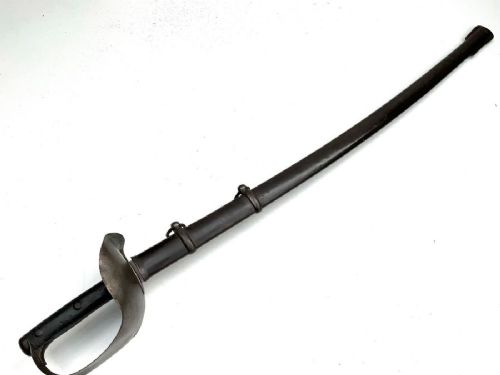


Steel Military Sabre
A steel military sabre is a sharp-edged blade designed for combat, offering buyers a tactile connection to historical warfare and cavalry tactics.
Steel Military Sabre
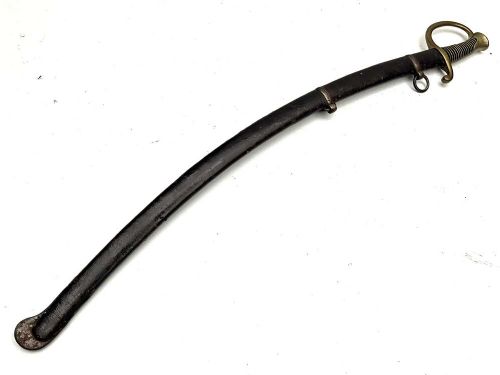
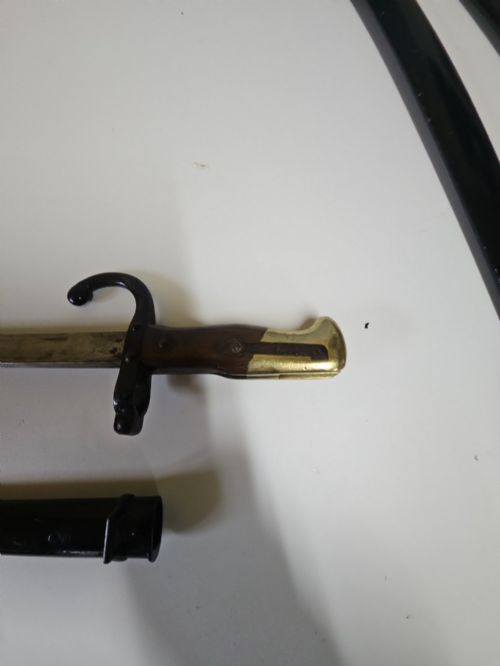
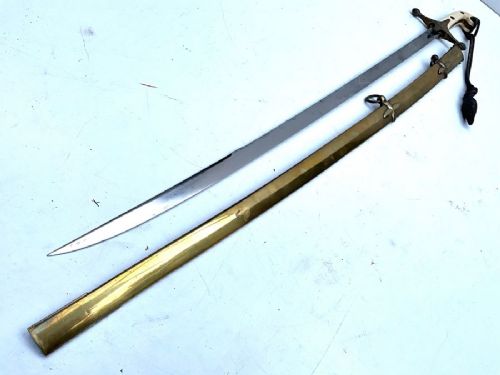
A steel military sabre represents a distinct category of edged weaponry encountered on this page through periods ranging from the eighteenth century to the mid twentieth century. Buyers seeking a steel military sabre encounter various historical forms, including cavalry sabres, mameluke swords, bayonets, and heavy cavalry patterns. The examples present on this page originate from British, French, German, and American contexts, reflecting diverse military branches and eras.
The selection encompasses specific patterns such as the seventeen ninety-six light cavalry sabre, the eighteen twenty-nine pattern, and the eighteen ninety-nine cavalry trooper's sword. Victorian military styles feature prominently alongside Georgian and nineteenth-century French designs. Each piece documents distinct martial requirements of its respective period, from light reconnaissance to heavy cavalry charges.
Materials and construction
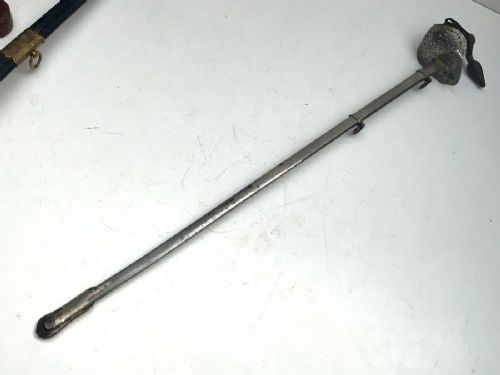
Construction relies primarily on steel for the blades, complemented by brass, iron, and nickel for guards, hilts, and furniture. Leather and wood frequently appear in scabbards and grip foundations, whilst bone and composite materials provide additional grip components. These robust materials ensured durability under active service conditions.
Blades are forged and shaped to balance cutting and thrusting capabilities, housed within protective scabbards fashioned from steel, leather, or iron. Metal components often exhibit maker inscriptions or inspection marks, documenting the manufacturing standards of military workshops.
Officers often privately purchased customized sabres, ensuring no two battlefield blades carried identical wear.
Assessing quality
Quality differentiates through the precision of the blade forging, the integrity of the hilt assembly, and the preservation of original components. Swords produced by documented makers demonstrate superior metallurgical refinement and balanced proportions compared to standard issue pieces. The retention of original scabbards and clear markings enhances the integrity of an individual weapon.
The degree of wear on the steel surface, the tightness of the grip wrapping, and the structural soundness of the hilt distinguish higher grade examples. Fine craftsmanship is evident in decorative etching, substantial brass guard work, and overall handling balance.
H Wilkinson
The Steel Military Sabre Glossary
- Sabre
- A backsword with a curved blade intended primarily for cutting strokes used by cavalry units. This form evolved through various national patterns across the eighteenth and nineteenth centuries.
- Hilt
- The handle of the weapon, comprising the guard, grip, and pommel. It protects the hand and provides balance to the steel blade during combat.
- Bayonet
- A solid blade designed to be attached to the muzzle of a firearm for close-quarter combat. Examples from the Victorian era appear alongside traditional swords.
- Mameluke sword
- A curved, cross-hilted sword style adopted by general officers during the nineteenth century. The design was inspired by Middle Eastern weapons encountered during military campaigns.
Steel Military Sabre: Frequently Asked Questions
What is a steel military sabre?
A steel military sabre is a bladed weapon issued to cavalry and infantry forces for combat. These pieces date from various historical conflicts and military campaigns.
They combine functional metalwork with historical significance, reflecting the tactics of periods such as the Victorian era and the American Civil War.
How do I identify different patterns?
Identification relies on examining blade curvature, hilt design, and any stamped inspection or maker marks. Different military branches utilised specific patterns suited to their operational needs.
Comparing hilt guards and blade lengths against documented military classifications helps determine the exact pattern and period of origin.
How should I display a sword?
Displaying a sword securely involves mounting it horizontally or vertically on a wall using non-damaging brackets that support the weight evenly. Ensure the display area maintains stable temperature and humidity levels to protect metal and organic components.
Avoid direct sunlight and treat leather or wooden elements with appropriate conservation wax if necessary to prevent degradation.
Are scabbards always included?
Scabbards accompany many of the listings, though survival rates vary depending on the age and service history of the weapon. Steel, leather, and iron scabbards each require specific preservation care.
Matching scabbards significantly contribute to the historical completeness and integrity of the piece.