
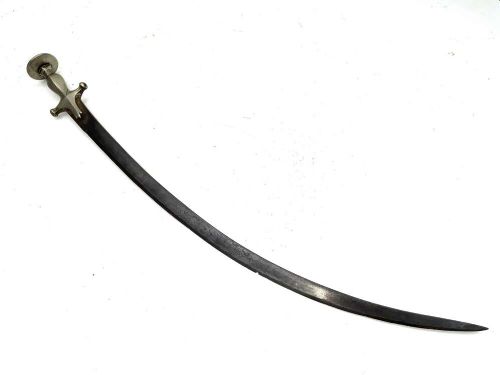

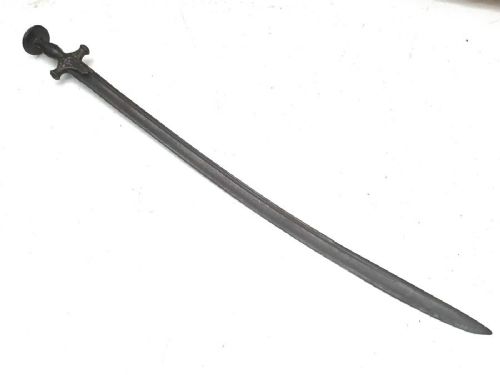


Steel Curved Sword
A steel curved sword brings the edge and temper of military history directly to your collection, from cavalry sabres to Japanese samurai tachi.
Steel Curved Sword
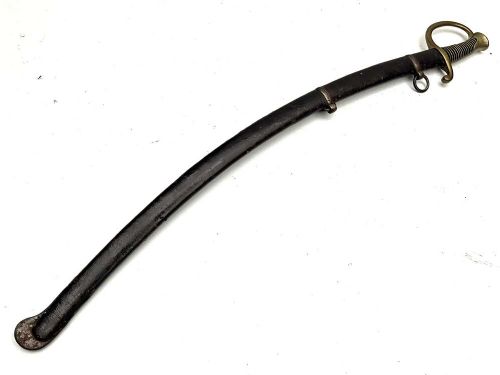
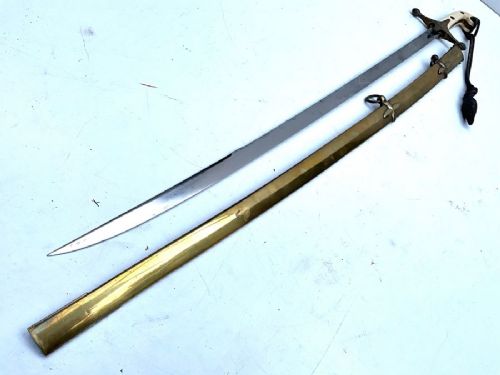
A steel curved sword encompasses military sabres, tulwars, and Japanese blades spanning multiple centuries. Buyers encounter various forms on this page, ranging from Victorian cavalry swords to 18th-century Indian tulwars.
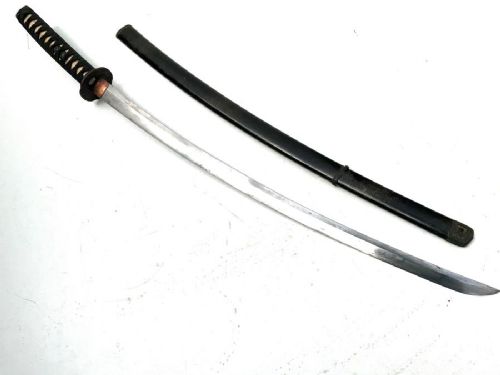
The selection includes specific regional types such as the 1796 pattern light cavalry sabre, Japanese tachi and katana swords, and European military edged weapons. Walking sticks containing concealed blades also feature alongside traditional militaria.
Pieces originate from distinct historical periods, including the 16th, 17th, 18th, and 19th centuries, alongside mid-20th-century German military examples. Each item reflects the martial requirements and manufacturing standards of its specific era of origin.
What varies in quality
The degree of preservation in the steel blade and the integrity of the handle materials define the overall standard of a piece. Examples featuring intact leather scabbards, silver handles, or signed blades demonstrate higher levels of original craftsmanship.
Patterndating and historical context influence the standing of an item, with specific military patterns and signed swords showing distinct manufacturing provenance. The complexity of handle decoration, such as engraved silver, separates standard military issue from finer gentleman's or officers' variants.
Listings feature items incorporating steel, brass, leather, iron, wood, lacquer, bone, and silver.
The Steel Curved Sword Glossary
- Sabre
- A backsword with a curved blade intended primarily for slashing, commonly used by cavalry units. Examples include the 1796 pattern and the French 1829 pattern.
- Tulwar
- A curved sword originating from the Indian subcontinent, often characterised by a disc hilt and distinct steel blade. Certain specimens feature silver handles or historic association.
- Tachi
- A traditional Japanese sword that is longer and has a greater curve than a katana, typically worn suspended from the belt with the cutting edge facing down. Dating often spans the 16th and 17th centuries.
- Sword stick
- A walking stick or cane containing a concealed blade within its shaft. These incorporate materials like Malacca wood and horn handles.
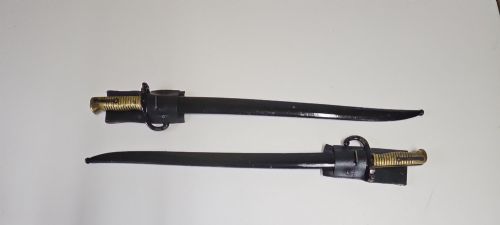
- Bayonet
- A bladed weapon designed to fit onto the muzzle of a firearm for close combat. Victorian examples represent this category on the page.
Steel Curved Sword: Frequently Asked Questions
What periods do these swords come from?
The inventory spans several centuries, ranging from 16th-century Japanese tachi and katana swords to 18th-century Indian tulwars and light cavalry sabres. Later examples include Victorian pieces, Edwardian walking sticks, and mid-20th-century German military swords.
Items are attributed to broad periods and specific decades based on pattern designs and historical context. This timeline covers European militaria, Asian edged weapons, and civilian concealed blade walking sticks.
Are scabbards included with the swords?
Many listings include original scabbards paired with the steel curved sword, such as those accompanying German officers' weapons and cavalry sabres. These protective sheaths often match the period and material of the primary piece.
Where applicable, scabbard materials like leather and metal complement the preserved condition of the blade. Buyers should examine individual listings to confirm whether a matching scabbard accompanies the weapon.
What materials are used for the handles?
Handle construction varies significantly across different regions and periods, utilising materials such as brass, iron, silver, wood, and bone. Indian tulwars feature silver handles, while walking stick variants incorporate horn and specialised woods like Malacca.
Military sabres and officers' swords often employ wired grips or metallic guards to protect the hand. The choice of handle material typically reflects the status of the owner and the origin of the piece.
How do military swords differ from walking stick swords?
Military swords comprise functional combat weapons such as cavalry sabres, bayonets, and kora-type frontier swords designed for battlefield utility. These items bear standard patterns issued to armed forces during various conflicts.
Walking stick swords serve as civilian accessories that conceal a blade within a wooden shaft for personal use. These items date from the late 19th and early 20th centuries, functioning as gentleman's items rather than frontline military gear.