

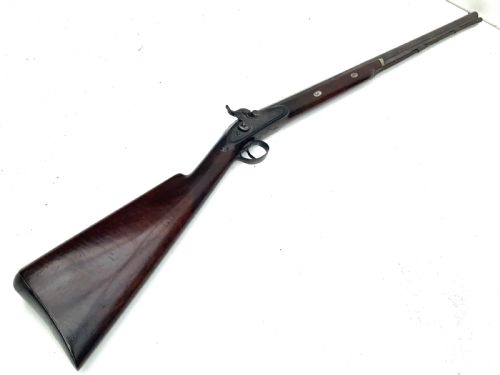

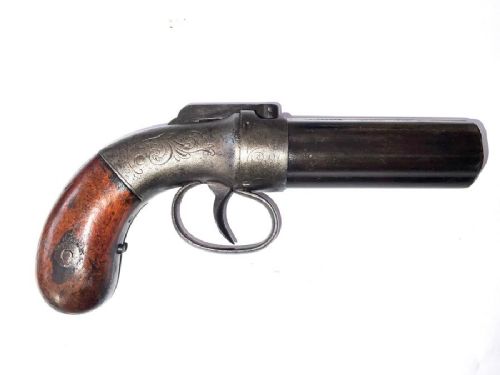


Steel Barrel Gun
A steel barrel gun brings together centuries of mechanical craft and military history, prized for its forged metal and functional design.
Steel Barrel Gun
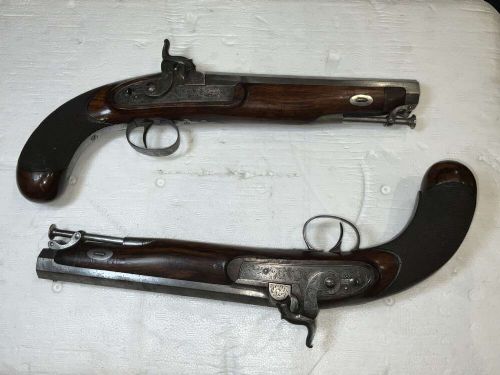
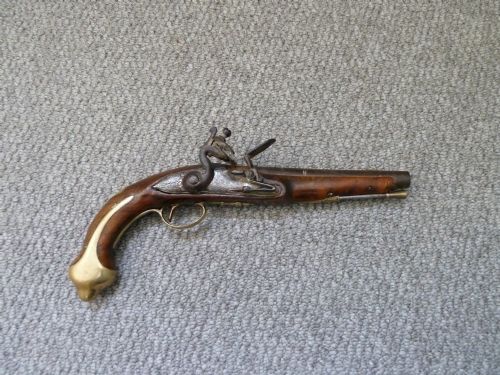
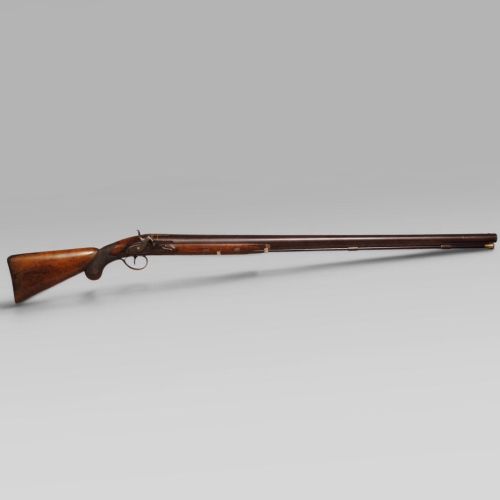
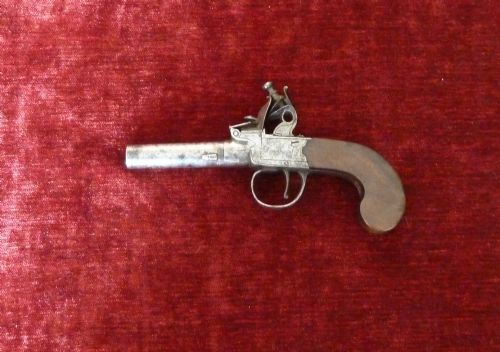
When you search for a steel barrel gun, you encounter historic firearms ranging from pocket pistols and fowling pieces to service muskets and blunderbusses. These pieces span the eighteenth and nineteenth centuries, including Georgian, Victorian, and Regency eras alongside continental and international examples.
The most common versions on this page are flintlock and percussion pistols, muskets, and sporting arms featuring metallic barrels paired with wooden stocks. Originating from British, French, Belgian, American, and Ottoman workshops, these arms represent both military service and civilian protection.
How they were made
Makers forged metal into rigid steel and iron barrels, attaching them to stocks of walnut, hardwood, and general wood. Many examples incorporated brass furniture, silver wire inlay, and iron lock mechanisms to secure the ignition systems.
Craftsmen shaped these components by hand, utilising traditional methods for wood carving and metal finishing. The construction balanced structural strength required for black powder charges with decorative detailing appropriate for military or civilian use.
Steel Barrel Gun Retail Price Guide 2026
Typical asking prices for steel barrel gun among the pieces listed under this phrase on Sellingantiques today, from the lower quarter to the upper quarter. They describe what is for sale here now, not the wider market.
Some pocket pistols hid their triggers until cocked, surprising anyone unfamiliar with eighteenth-century concealed design.
What varies in quality
The standard of a piece depends on the precision of the lock mechanism and the crispness of maker markings on the metal. Higher quality arms display refined stock shaping and integrated decoration such as silver wire inlay rather than utilitarian finish.
Preservation of the original metal surfaces and functional action distinguishes superior examples. Pieces bearing specific maker signatures or military ordnance stamps carry greater historical weight.
John Manton And Son·Henry Nock·James Barber
The Steel Barrel Gun Glossary
- Flintlock
- An ignition mechanism that uses a piece of flint striking a steel frizzen to create sparks that ignite black powder. This system dominated firearm design from the seventeenth through the early nineteenth century.
- Percussion cap
- A small metal cup containing fulminate of mercury placed on a nipple, which is struck by a hammer to ignite the powder charge. This mid-nineteenth century innovation largely replaced the flintlock system.
- Musket
- A muzzle-loading long gun designed for infantry use. These arms formed the primary armament of armies during the eighteenth and nineteenth centuries.
- Fowling piece
- A lightweight smoothbore long gun designed primarily for hunting birds and small game. These sporting arms often featured longer barrels than military muskets.
- Blunderbuss
- A muzzle-loading firearm with a flared barrel designed to scatter shot at close range. It saw widespread use by coach guards and naval personnel during the Georgian and Regency periods.
Steel Barrel Gun: Frequently Asked Questions
How do I care for my steel barrel gun?
Store the firearm in a stable, dry environment away from excessive humidity to prevent further oxidation of the metal and wood.
Apply light, specialised preservation oils periodically to clean surfaces and protect the historic steel and wooden stock from environmental damage.
What is the difference between flintlock and percussion?
A flintlock uses a piece of flint against a steel frizzen to generate sparks, while a percussion system relies on a hammer striking a primed cap.
Percussion arms appeared later in the nineteenth century, offering a more reliable ignition method in wet weather compared to older flintlock mechanisms.
Were these guns used in military service?
Many examples on this page served officially in military conflicts, including Napoleonic-era campaigns and revolutionary wars.
Others served as private civilian arms, travelling pistols, or sporting pieces designed for hunting rather than combat.
How can I tell the period of a firearm?
Examine the lock mechanism, barrel shape, and overall style, comparing them against known dates for military patterns and civilian designs.
Maker signatures, government inspection marks, and specific stock geometries help narrow down the decade of manufacture.