
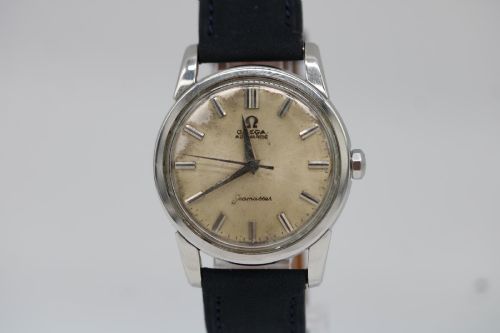
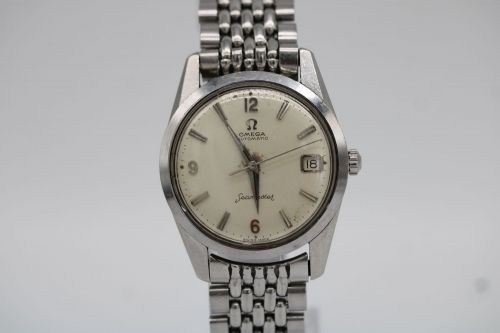
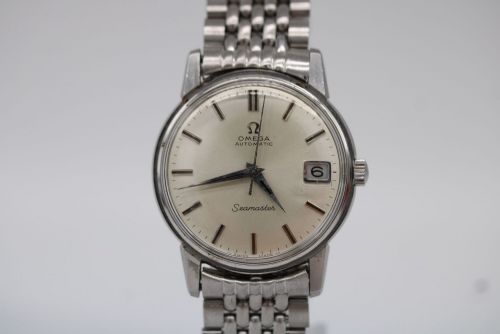
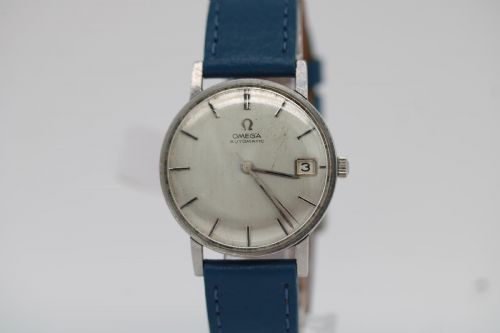

Steel Automatic Wristwatch
A steel automatic wristwatch brings self-winding mechanical reliability together with robust metal housing for daily wear.
Steel Automatic Wristwatch
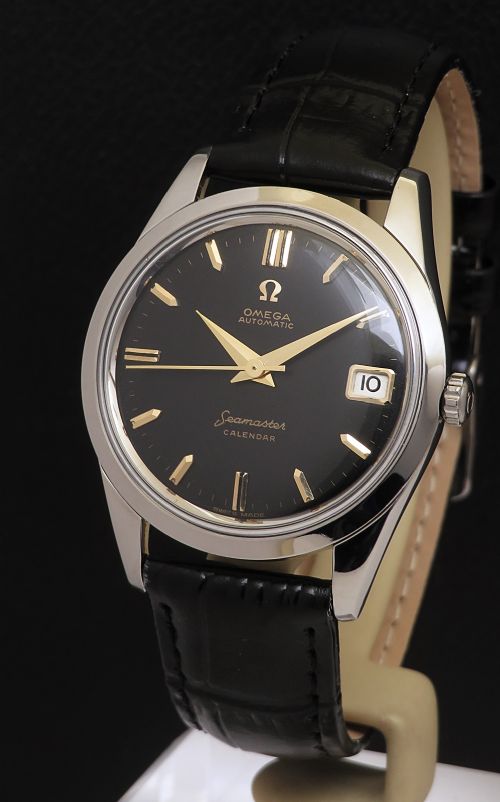
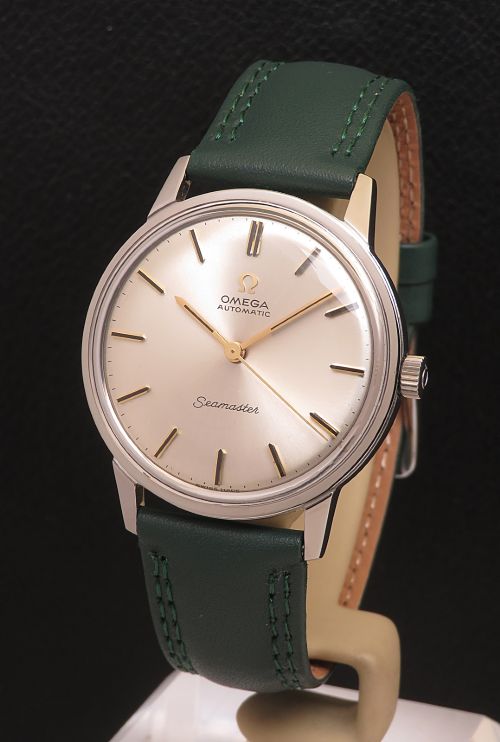
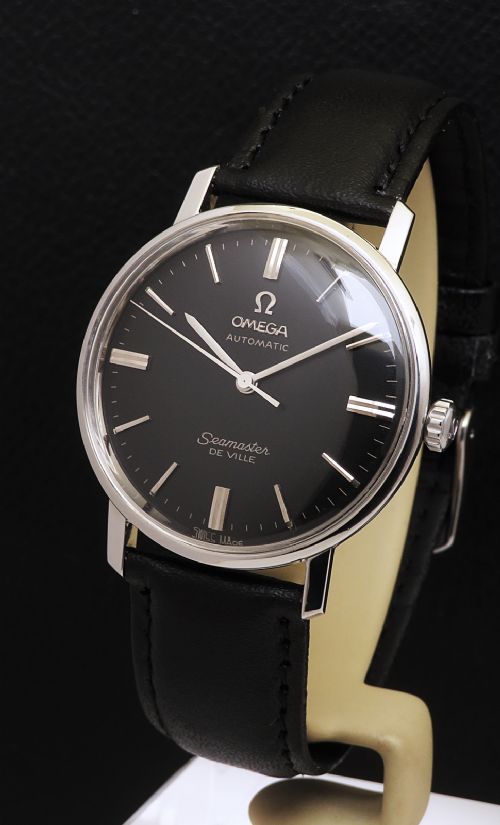
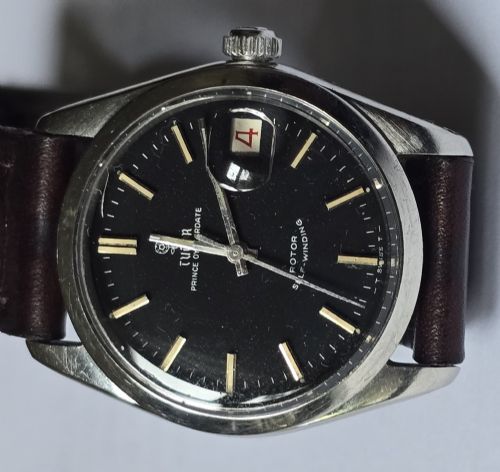
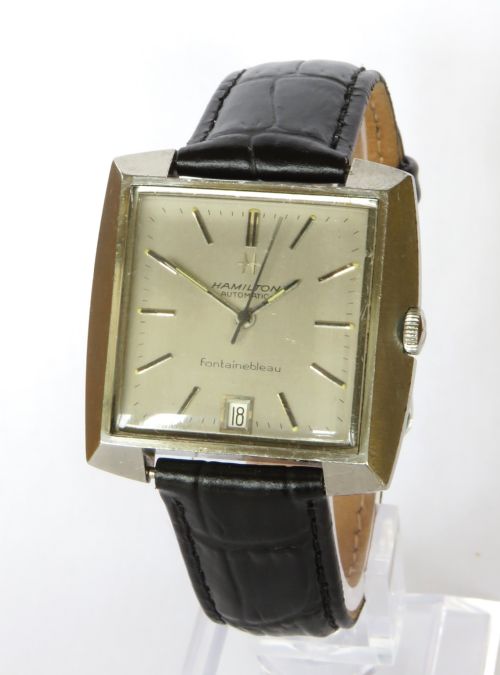
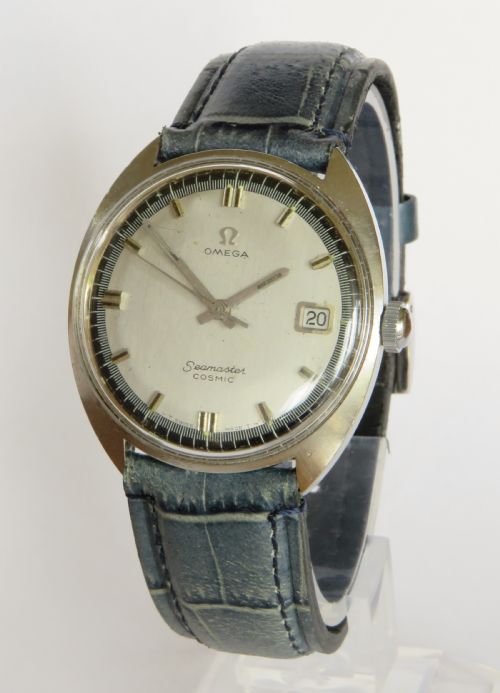
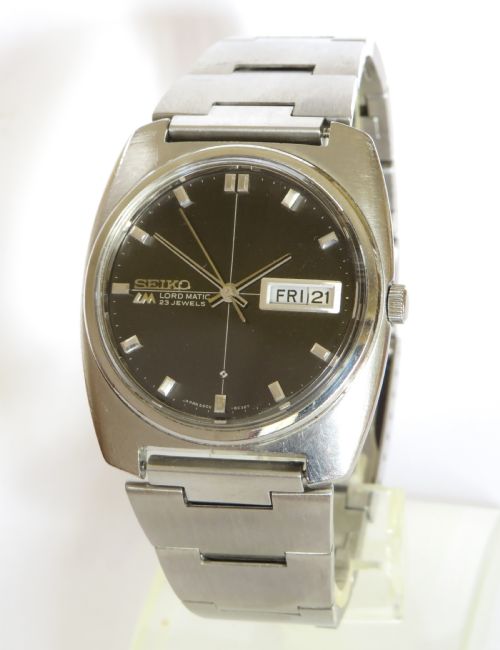
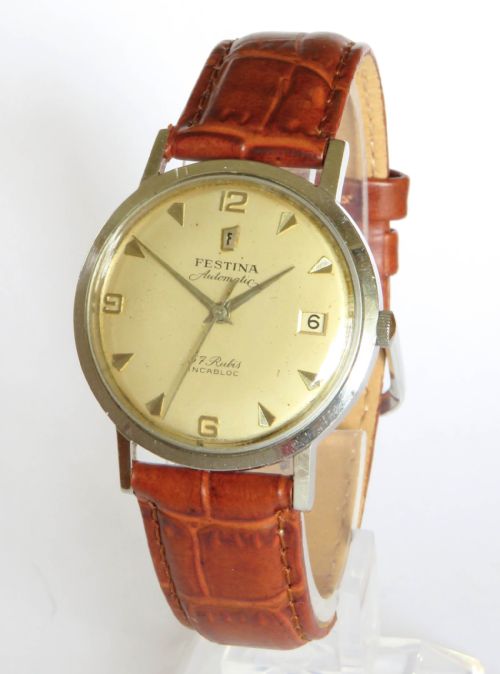
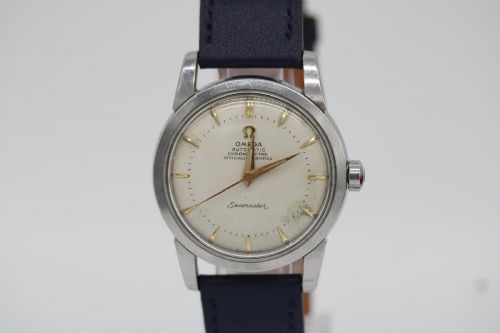
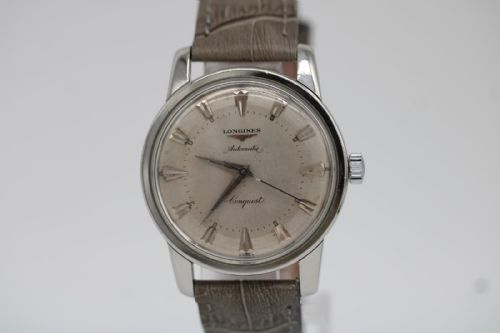
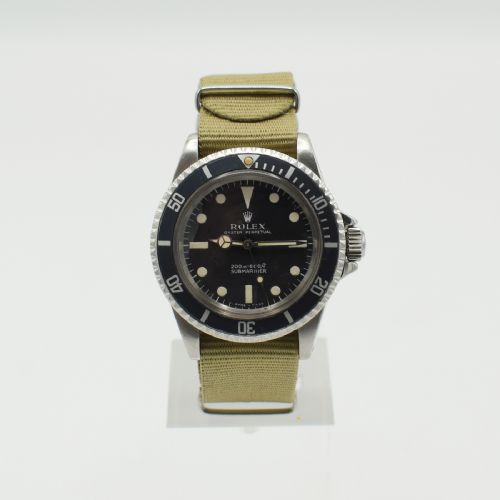
A steel automatic wristwatch represents the convergence of mid-century mechanical movement and durable metal construction, forming the core of these listings. When you examine a steel automatic wristwatch on this page, you encounter pieces originating primarily from the 1940s, 1950s, and 1960s.
Makers such as Omega, Tudor, Hamilton, Seiko, Festina, Longines, Rolex, Eterna, Heuer, IWC, and Zenith produced these wristwatches in styles spanning mid-century modern, mid-century luxury, and nineteen-seventies retro. The selection relies heavily on stainless steel cases paired with leather, fabric, or metal straps.
What varies in quality
Quality differences rest in the originality of components, such as dials and crowns, and the precision of the mechanical calibre inside. Pieces retaining original signed crowns, factory dials, and untouched case geometry stand apart from examples with replacement parts or polished-away case edges.
The sophistication of the movement itself, from standard automatics to chronometer-grade calibres, dictates the standing of an individual watch within its period.
Some watches from the nineteen-sixties feature a smiling day window that lifts your mood every time you check the time.
Omega·Tudor·Hamilton·Seiko·Festina·Longines·Rolex·Eterna·Heuer·IWC·Zenith
The Steel Automatic Wristwatch Glossary
- Automatic
- A mechanical watch movement wound automatically by the natural motion of the wearer's arm. This removes the need for daily manual winding.
- Calibre
- The specific internal movement or mechanism of a watch. Manufacturers assign numbers to identify their proprietary designs.
- Bumper
- An early type of automatic movement where the rotor swings back and forth within an arc rather than spinning in a full circle. The wearer feels a gentle tap against the springs.
- Chronometer
- A high-precision watch movement that has passed official accuracy tests. These pieces meet strict standards for timekeeping under various conditions.
- New Old Stock
- An unworn vintage item retained in its original unsold state from the period of manufacture. These pieces offer preserved factory finishes.
Steel Automatic Wristwatch: Frequently Asked Questions
How do I wind an automatic watch?
An automatic watch winds itself through the natural motion of your wrist during daily wear.
If the watch has stopped entirely, give the crown a few manual turns to jump-start the movement before putting it on.
Are these vintage watches waterproof?
Vintage watches lack modern rubber gaskets and modern waterproof engineering standards.
Avoid submerging them in water or wearing them while swimming to protect the internal movement from moisture damage.
What is a bumper movement?
A bumper movement is an early self-winding mechanism where an internal weight swings through a limited arc and hits springs.
You can feel a subtle thud on your wrist as the weight moves back and forth.
How do I read a watch calibre number?
The calibre number identifies the specific mechanical movement ticking inside the watch case.
You usually find this number engraved directly onto the metal bridge of the movement itself.