

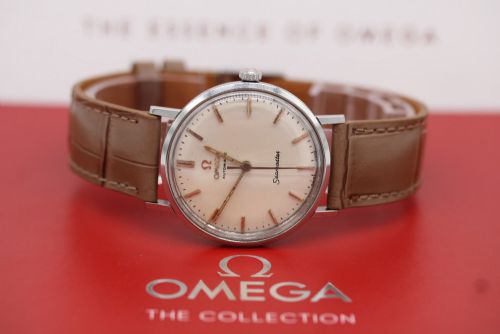
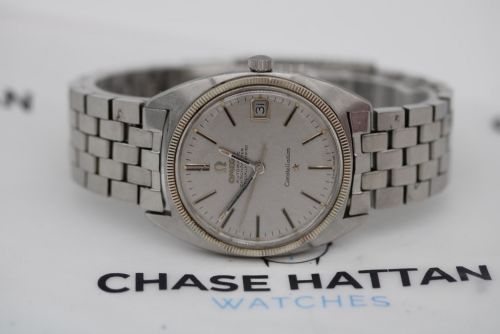
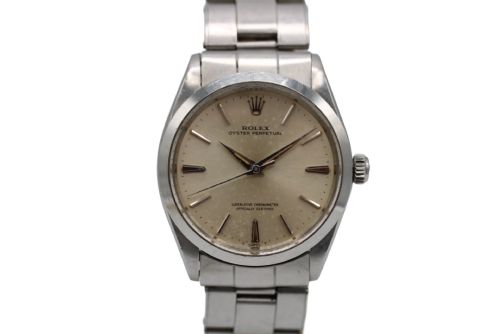

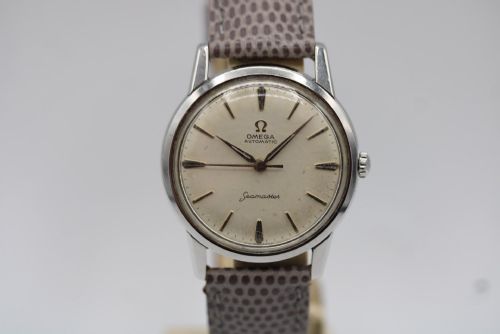
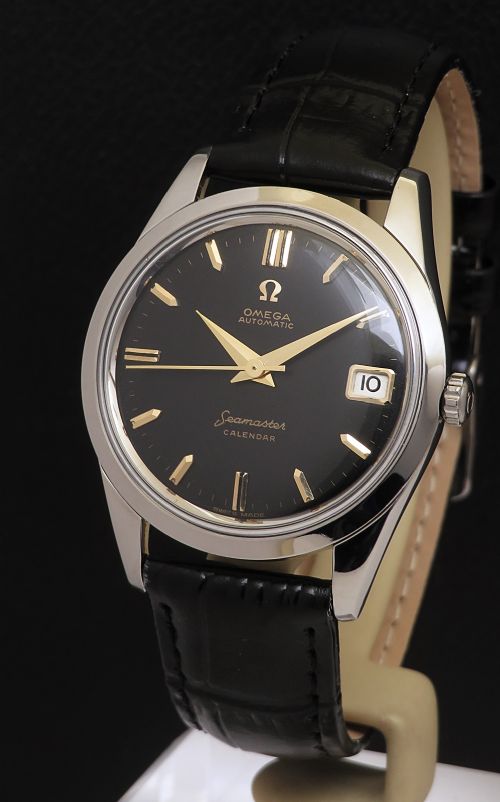


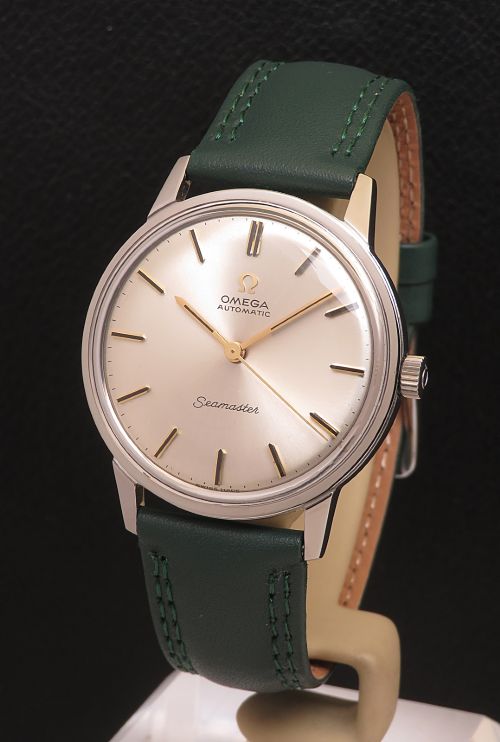
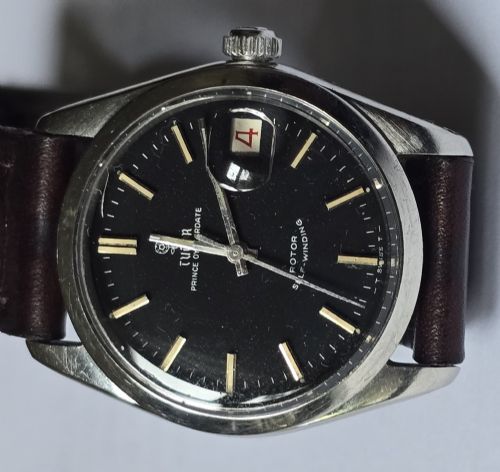
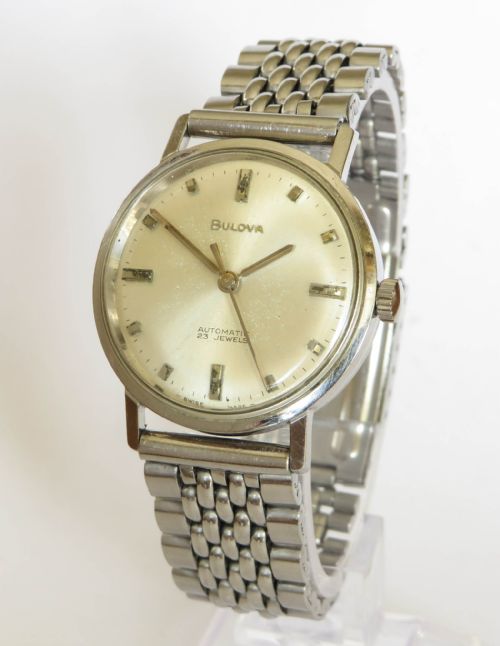
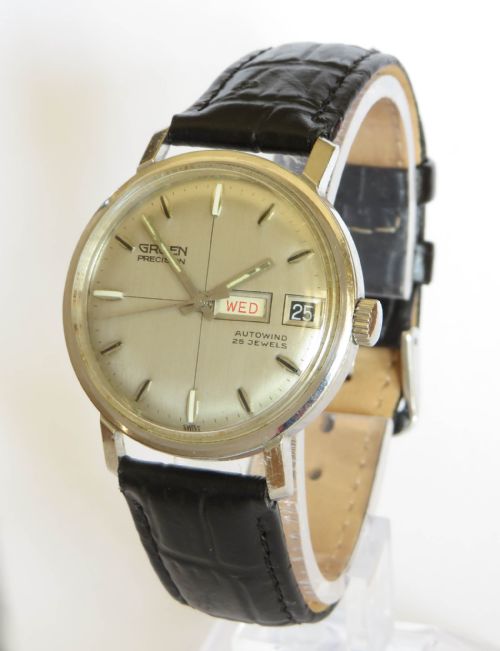
Steel Automatic Watch
A steel automatic watch offers a mechanical movement driven by the motion of the wrist, encased in robust metal that spans the mid-century decades.
Steel Automatic Watch
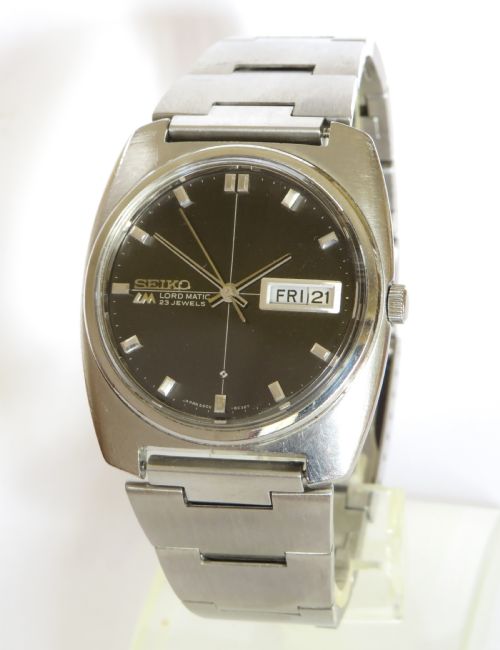
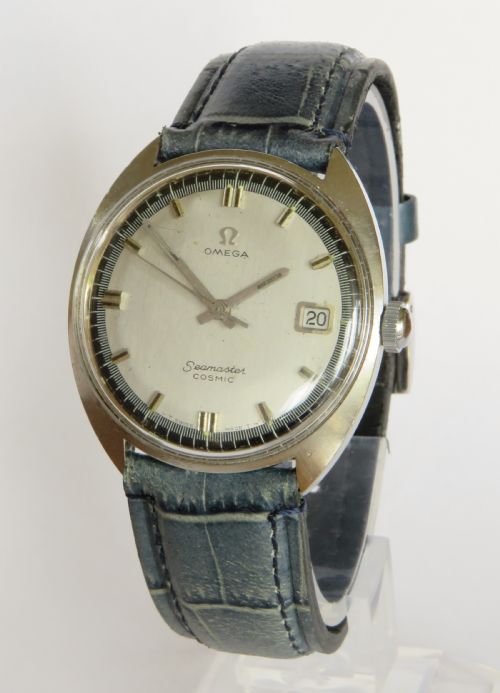
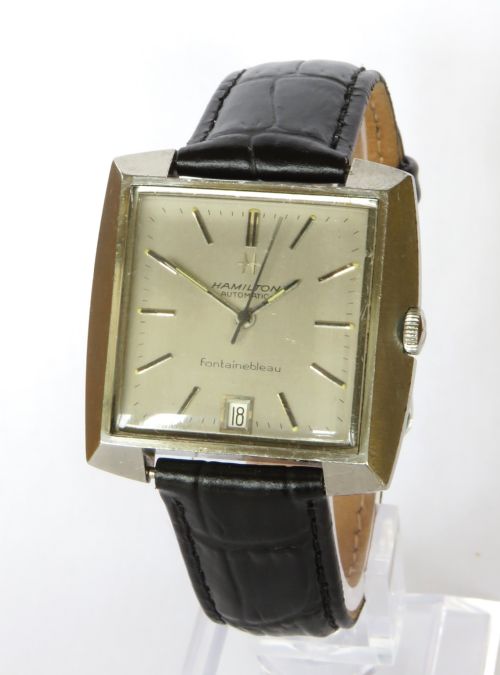
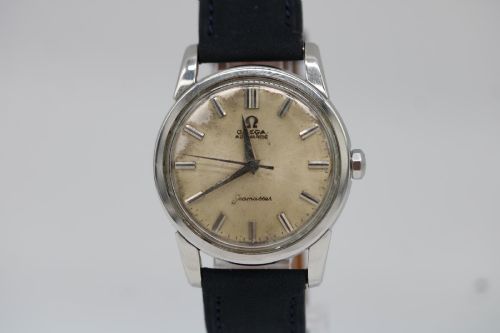
A steel automatic watch represents a self-winding mechanical timepiece housed in a durable metal case, frequently encountered on this page in mid-century forms. Buyers hunt for these models to secure reliable daily wear paired with vintage character and historical design.
The selections span from the 1940s through the 1970s, showcasing prominent Swiss and international makers across wristwatches and chronographs. Most pieces originate from the 1950s and 1960s, a period defined by robust stainless steel construction and functional dial layouts.
Common iterations include date displays, calendar functions, and specialised dials such as honeycomb or patinated faces. The enduring appeal lies in the combination of a self-winding rotor mechanism and utilitarian metal work that survives decades of daily use.
Materials and Construction
Cases utilise solid stainless steel, occasionally paired with gold components or leather straps, protecting intricate mechanical movements inside. Acrylic and acrylic glass crystals cover the dials, offering a characteristic dome shape that bends light differently than modern mineral glass.
Internal calibres rely on automatic winding systems, including early bumper movements and later rotor designs that tension the mainspring through natural arm movement. Dials feature applied metal markers, printed tracks, and specialised finishes achieved through brushing or texturing.
Steel Automatic Watch Retail Price Guide 2026
Typical asking prices for steel automatic watch among the pieces listed under this phrase on Sellingantiques today, from the lower quarter to the upper quarter. They describe what is for sale here now, not the wider market.
Railway workers in Australia once relied on issued Timex automatic watches to keep the national train network running on time.
Quality Variations
The standard of a steel automatic watch depends on the original grade of its internal calibre and the preservation of its exterior surfaces. High-tier examples retain factory-sharp case edges, unpolished lugs, and original signed crowns alongside clean, chronometer-grade movements.
Condition discrepancies emerge in the dial and hands, where original unrestored patination holds distinct value compared to poorly executed redials or moisture damage. Mechanical integrity also dictates worth, separating pieces requiring complete restoration from those with fully serviced, finely tuned movements.
Omega·Tudor·Hamilton·Seiko·Bulova·Festina·Gruen·Eterna·Longines·Rolex·Heuer·IWC·Zenith
The Steel Automatic Watch Glossary
- Automatic
- A self-winding mechanical movement that uses a weighted rotor to wind the mainspring through the natural motion of the wearer's wrist.
- Bumper
- An early form of automatic movement where the rotor swings back and forth against internal springs rather than rotating fully 360 degrees.
- Calibre
- The specific internal mechanical movement or manufacturer's designation housed inside the watch case.
- Crystal
- The transparent cover positioned over the watch face, historically formed from acrylic or glass to protect the dial and hands.
- Chronometer
- A high-precision mechanical watch that has been tested and certified to meet strict accuracy standards over various temperatures and positions.
Steel Automatic Watch: Frequently Asked Questions
How do automatic watches work?
An automatic watch uses an internal weighted metal rotor that spins as the wearer moves their arm throughout the day. This motion tightens the mainspring, storing energy to power the mechanical gears without needing a battery.
Over time, the tension winds down, but continuous daily wear keeps the mechanism running. If left stationary for too long, the reserve depletes and the watch stops until manually wound or worn again.
What is a bumper automatic?
A bumper automatic is an early style of self-winding movement produced predominantly from the 1940s through the 1950s. Instead of spinning in a full circle, the weighted rotor swings back and forth and hits internal buffer springs.
Wearers can often feel a distinct gentle thump on their wrist as the rotor hits the springs. This system represents an important stepping stone in the evolution of self-winding wristwatches.
How do I date a vintage steel watch?
Dating a vintage steel watch involves examining serial numbers engraved on the case back or movement against manufacturer production records. Specific design traits, such as logo styles, font choices, and hand shapes, also provide clues to the decade of manufacture.
Reference numbers stamped inside the case back further narrow down the production year. Consulting brand-specific databases helps match these numbers to exact manufacturing periods from the mid-century era.
Are these watches waterproof?
Vintage steel watches generally lack the waterproof seals and screw-down crowns found in modern diving gear. Even models designed for robust use or sports can lose their water resistance over decades as internal gaskets degrade.
Exposure to moisture, rain, or swimming should be avoided unless the watch has been professionally pressure-tested with fresh seals. Most pieces from this era require careful handling around water to protect the delicate movement inside.