

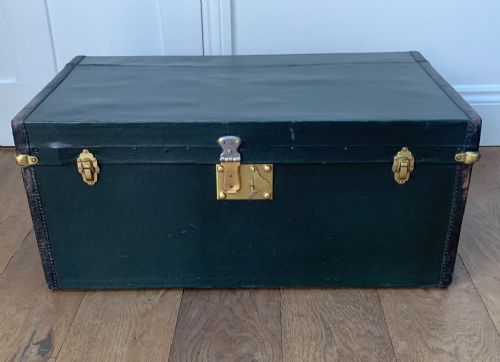
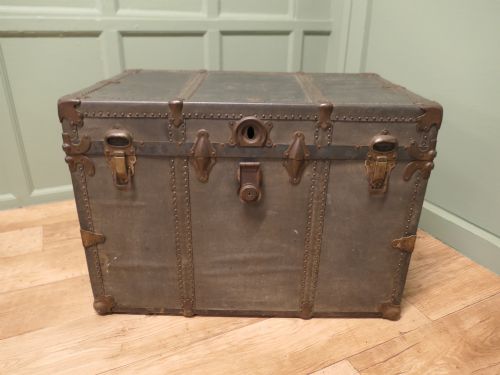
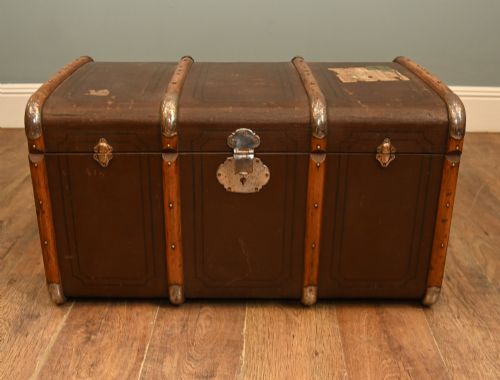
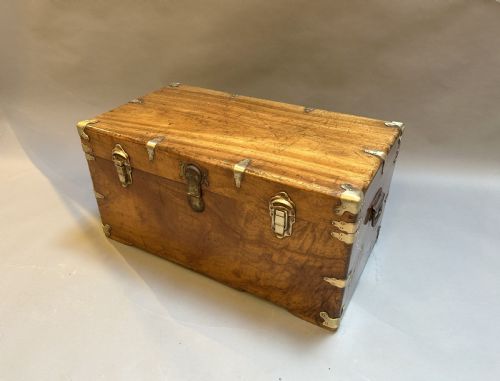




Steamer Luggage Box
These steamer luggage box pieces are robust travelling chests designed for ocean liners and rail journeys, combining practical storage with historic character.
Steamer Luggage Box
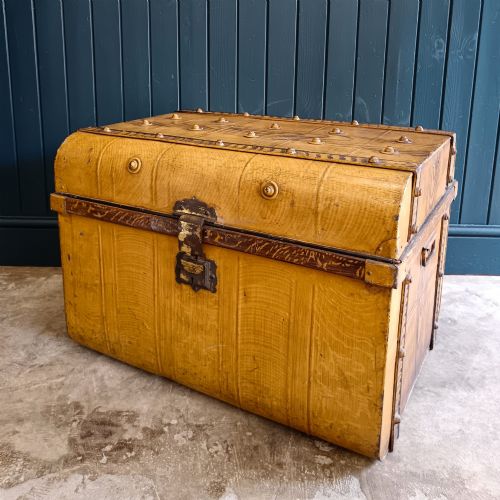
When searching for a steamer luggage box, collectors encounter durable travel chests originating from the nineteenth century through the early twentieth century. These items span Victorian, Edwardian, and Art Deco periods, encompassing styles such as colonial campaign and utility designs.
Most examples hail from the 1920s or the late Victorian era, offering substantial storage capacity alongside period charm. Makers represented include notable houses such as Louis Vuitton, Goyard, and Aux Etats Unis, alongside specialised firms like Army and Navy.
Construction and materials
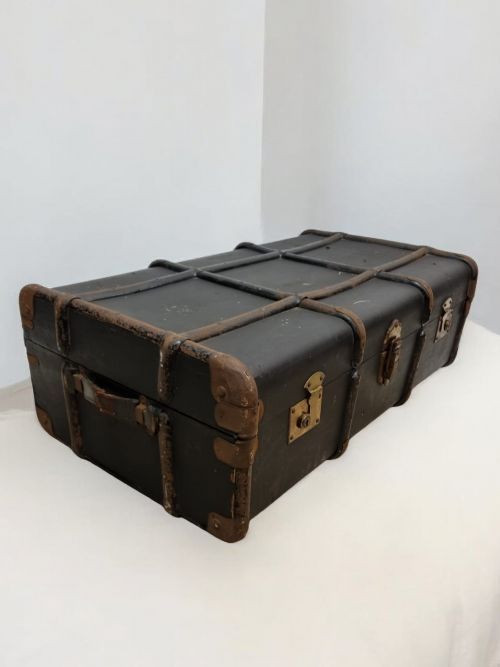
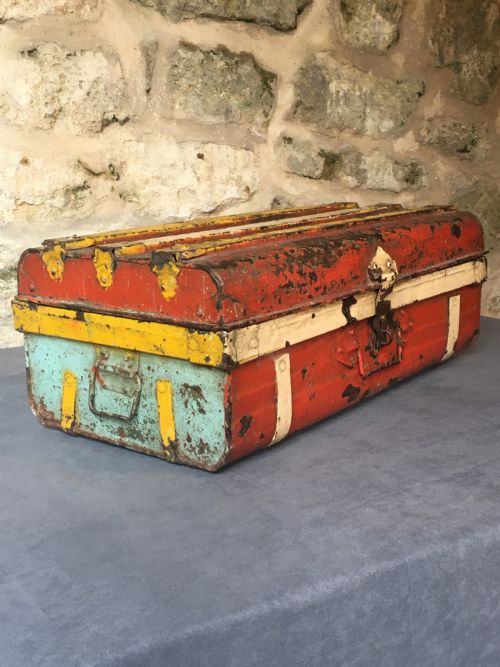
Makers constructed these trunks using a robust internal wooden frame, frequently utilising durable timbers such as camphor wood or oak. Exterior surfaces were then wrapped in canvas, leather, or sheet metal to withstand the rigours of transatlantic travel.
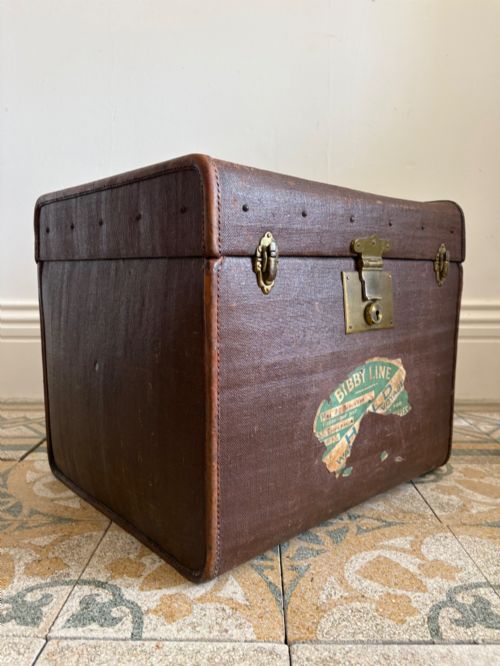
Structural integrity was reinforced with brass, iron, and original metal hardware, including protective corners, heavy-duty locks, and side handles. Leather binding and stencilled monograms often finished the exterior presentation of finer pieces.
Steamer Luggage Box Retail Price Guide 2026
Typical asking prices for steamer luggage box among the pieces listed under this phrase on Sellingantiques today, from the lower quarter to the upper quarter. They describe what is for sale here now, not the wider market.
Evaluating quality and craftsmanship
Superior quality in these trunks rests on the integrity of the original hardware, hinges, and locks, alongside the preservation of exterior coverings like stamped leather or monogrammed canvas. Master workshops employed finer joining techniques and high-grade internal fittings compared to utilitarian travel chests.
The presence of maker signatures, original fitted trays, and uncompromised structural frames elevates an example above standard utility pieces. Patina accumulated through genuine travel adds character, provided the core wooden and metal structure remains sound and unaltered.
Louis Vuitton·Goyard·Aux Etats Unis·Army and Navy·A W Insall
The Steamer Luggage Box Glossary
- Steamer trunk
- A low-profile travel chest designed to fit beneath the berth of a passenger ship. These pieces became essential luggage for ocean liner travel during the Victorian and Edwardian periods.
- Campaign trunk
- A portable storage chest made for military officers or travellers on colonial expeditions. They typically feature recessed brass handles and reinforced corners for frequent transit.
- Dome top
- A curved lid design on a trunk or chest intended to shed water during travel. This older silhouette frequently appears on nineteenth-century pieces.
- Wardrobe trunk
- A tall upright luggage case fitted with compartments, drawers, and hangers for clothing. These sophisticated pieces allowed travellers to transport garments without creasing.
- Hat box
- A specialised rigid container shaped to protect millinery during transit. These smaller pieces often accompanied larger luggage sets on journeys.
Steamer Luggage Box: Frequently Asked Questions
How were steamer trunks used?
Travellers packed these robust boxes with clothing and personal belongings for long voyages by steamship or train. Their low profiles allowed them to slide neatly beneath cabin berths.
Today, owners utilise them as statement storage chests or coffee tables in living spaces, keeping blankets and books out of sight.
How do I date a vintage trunk?
Examine the materials, hardware construction, and locking mechanisms to estimate the era of manufacture. Victorian pieces often display heavy brass capping and leather binding, whereas 1920s examples frequently incorporate stencilled canvas and modern latches.
Maker labels and stamps provide definitive clues to the workshop and decade of production.
Can I use a travel trunk as a coffee table?
Flat-topped trunks serve admirably as coffee tables, offering a stable surface for books and decorative items. Their sturdy wooden frames easily support everyday items while providing hidden storage inside.
Ensure the surface finish is sealed or protected against spills before placing drinks upon historic leather or canvas.
What is the difference between a cabin trunk and a steamer trunk?
Cabin trunks were generally taller boxes kept in a passenger stateroom for daily access during a voyage. Steamer trunks were built lower specifically to slide beneath the berth and remain stowed in the hold.
Both forms share heavy-duty construction methods designed to survive rough baggage handling.