
Statement Cocktail Ring
A statement cocktail ring is a bold piece of hand adornment designed to turn heads at evening gatherings.
Statement Cocktail Ring
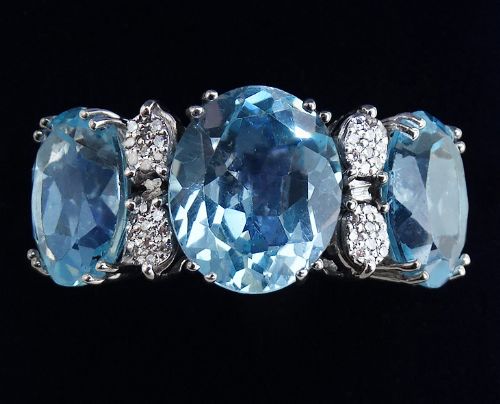
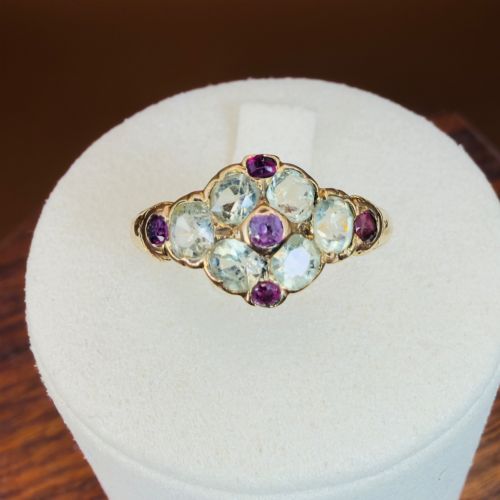
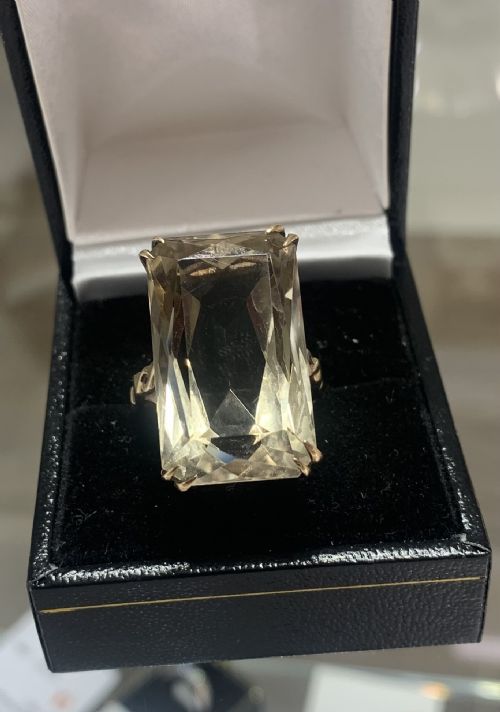
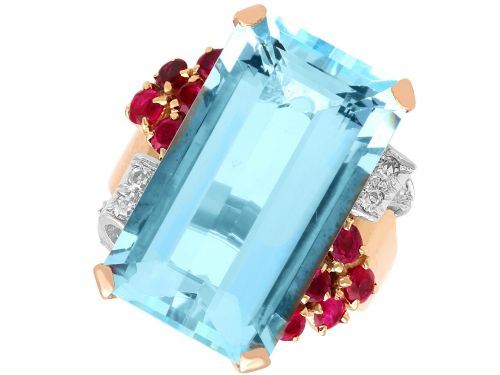
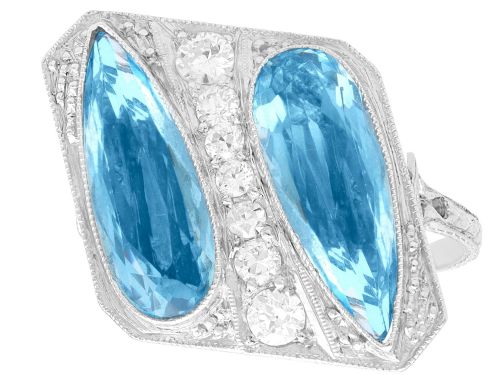
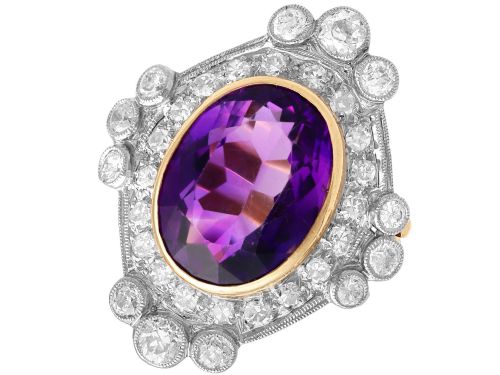
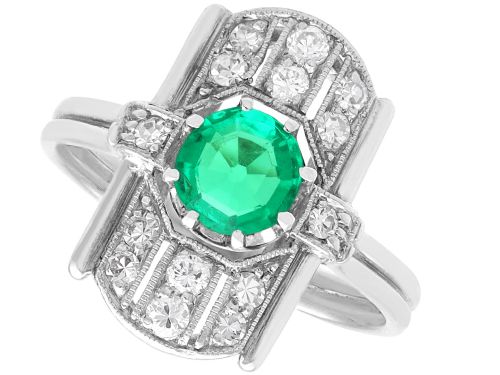
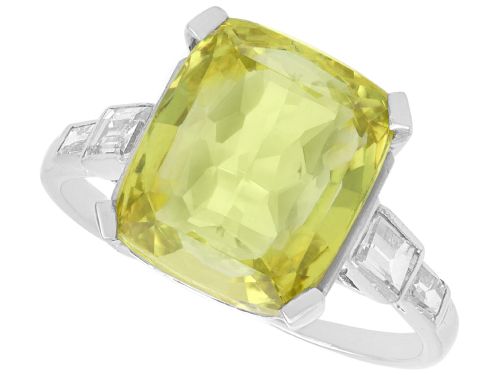
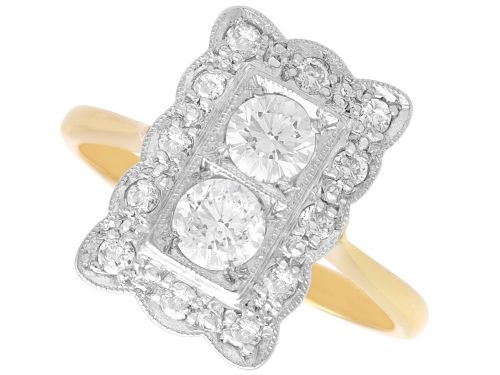
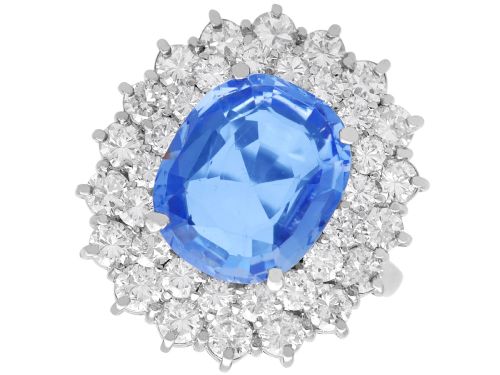
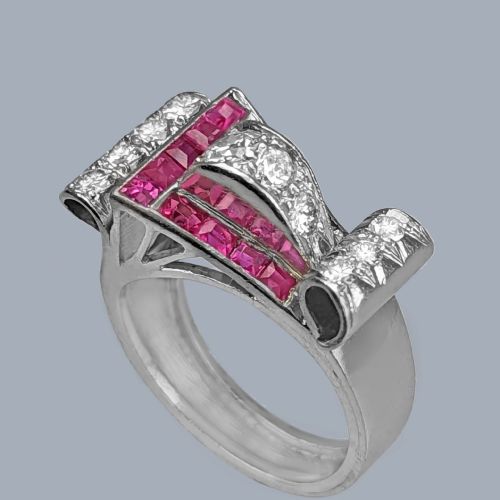
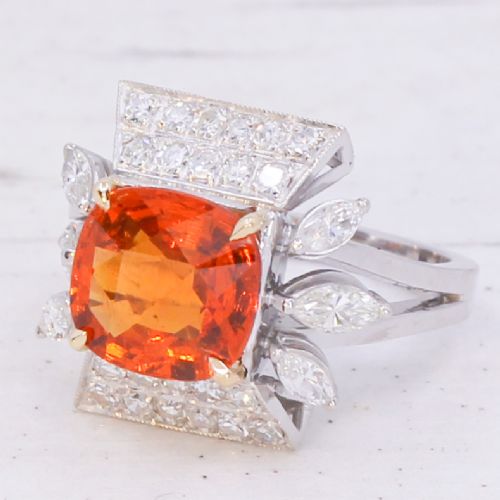
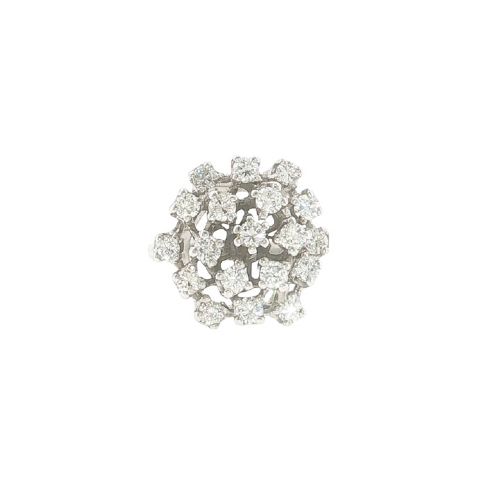
A statement cocktail ring is a large, eye-catching jewel created to make an impact during evening social events. The listings here showcase rings spanning the Victorian era through the 1920s Art Deco period, the 1940s Retro style, and into the 1960s and 1970s. You will encounter generous central gemstones framed by diamonds, cluster settings, and sculptural modernist forms.
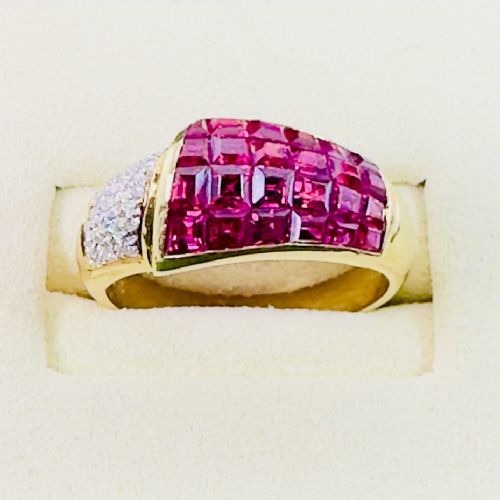
The most common versions on this page hail from the mid-century decades, featuring substantial coloured stones like aquamarine, citrine, amethyst, and ruby. These pieces reflect the bold design shifts of the twentieth century, moving from geometric platinum mountings to flowing yellow and white gold settings. They are chosen specifically for their presence on the hand and their striking use of colour.
How they were made
These rings were constructed using precious metals including platinum, 9ct gold, 14ct rose gold, and 18ct yellow or white gold, alongside silver in Scandinavian designs. Jewellers set significant central gemstones such as diamonds, rubies, sapphires, opals, and emeralds using claw, halo, and cluster configurations.
Techniques evolved from the precise geometric platinum work of the Art Deco period to the heavy, sculptural forms of the Retro era and the textured surfaces of later modernist and Brutalist creations. Makers employed techniques like cabochon cutting for jade and lapidary work for large citrines and aquamarines to maximise visual weight.
Materials utilised across the selection include platinum, silver, and gold ranging from 9ct to 18ct, paired with diverse gemstones.
What varies in quality
Quality in a statement cocktail ring rests on the proportion and natural character of the central gemstone relative to the surrounding mount. Stones with high saturation, such as unheated rubies or substantial aquamarines, elevate the work significantly compared to smaller, commercially treated alternatives.
The architectural integrity of the metalwork also defines the upper tier of the range. Master jewellers achieved sculptural depth and secure stone setting without sacrificing balance, ensuring the large scale of the ring remains comfortable and structurally sound on the hand.
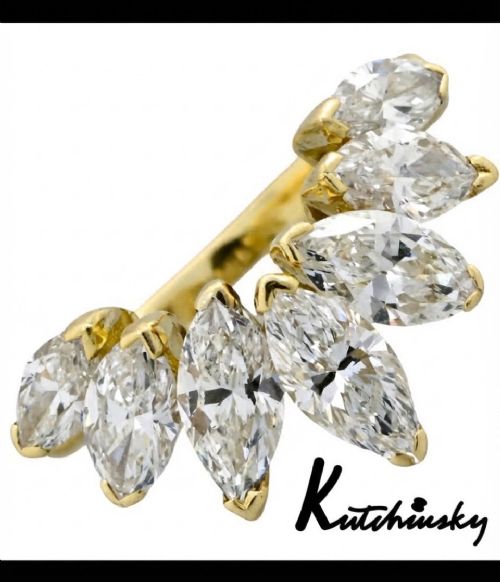
Kutchinsky·Randers Silver·Gilbert Albert
The Statement Cocktail Ring Glossary
- Cabochon
- A gemstone shaped and polished with a smooth, rounded convex surface rather than faceted. This cut is frequently utilised for opaque or translucent materials like jade and opal.
- Cluster ring
- A ring design featuring a prominent central stone encircled by a border of smaller gems, typically diamonds. This arrangement maximises the overall visual impact of the piece.
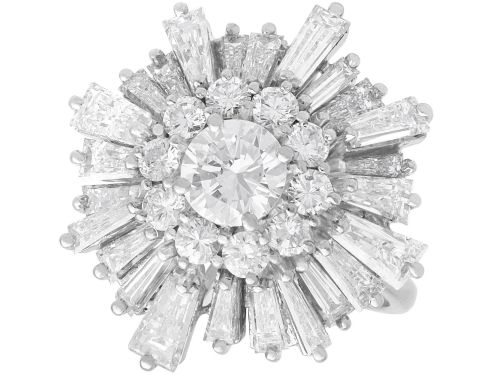
- Ballerina ring
- A mid-century cocktail ring style featuring a central stone surrounded by radiating rows of tapered baguettes or diamonds that resemble a ballerina tutu. The silhouette is distinct and highly architectural.
- Old cut
- A diamond cutting style prevalent in antique and Art Deco jewellery, characterised by a high crown, small table, and deep pavilion. These cuts produce a softer, candlelit sparkle.
- Paste
- Hand-cut and polished lead glass used historically as an imitation gemstone. Fine antique paste jewellery is collected for its own exceptional craftsmanship and brilliance.
Statement Cocktail Ring: Frequently Asked Questions
What defines a statement cocktail ring?
A statement cocktail ring is characterised by its oversized proportions and heavy use of gemstones or bold metalwork. These rings originated as a glamorous accessory for evening social events.
On this page, you will find examples featuring large aquamarines, tourmalines, and diamond clusters set in gold or platinum.
How do I date a cocktail ring?
Dating relies on the combination of materials, gemstone cuts, and overall design style. Art Deco pieces show geometric platinum settings, while 1940s Retro rings often feature warm rose gold and asymmetrical motifs.
Mid-century and later pieces embrace abstract textures, heavy gold work, and large claw-set coloured stones.
Can I wear a cocktail ring daily?
These rings were originally intended for evening wear, but many people choose to wear them daily as a personal signature. Durability depends on the central stone; harder gems like diamonds and sapphires tolerate daily use well.
Softer stones like opals or pearls require greater care to avoid knocks and scratches during routine tasks.
What is the difference between dress and cocktail rings?
The terms are often used interchangeably, though cocktail rings typically refer specifically to the large, attention-grabbing designs popularised in the mid-twentieth century. Dress rings encompass a broader category of decorative hand ornaments worn for fashion rather than traditional pairing.
Both types prioritise visual impact over traditional engagement ring conventions.