


Standing Book Holder
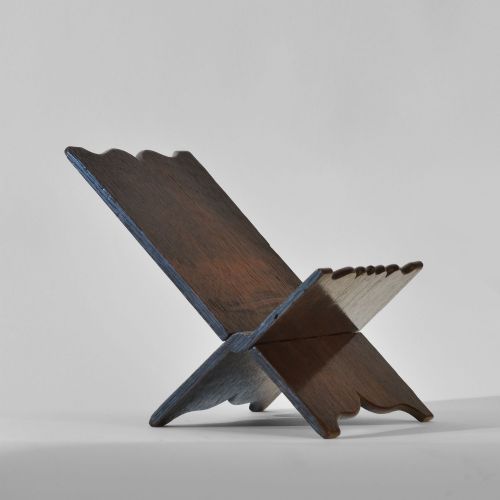
A standing book holder keeps volumes upright and accessible, taking the form of sturdy desk rests, folding lecterns, and floor-standing reading tables.
Standing Book Holder
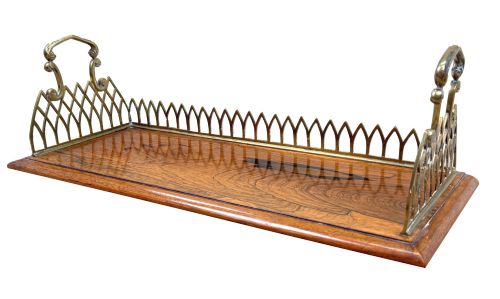
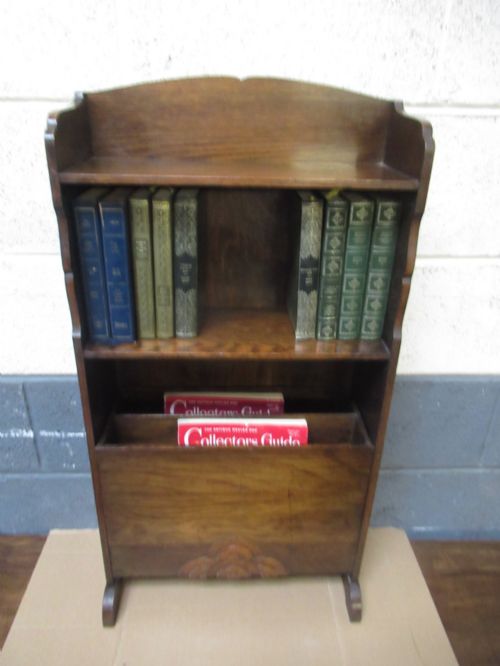
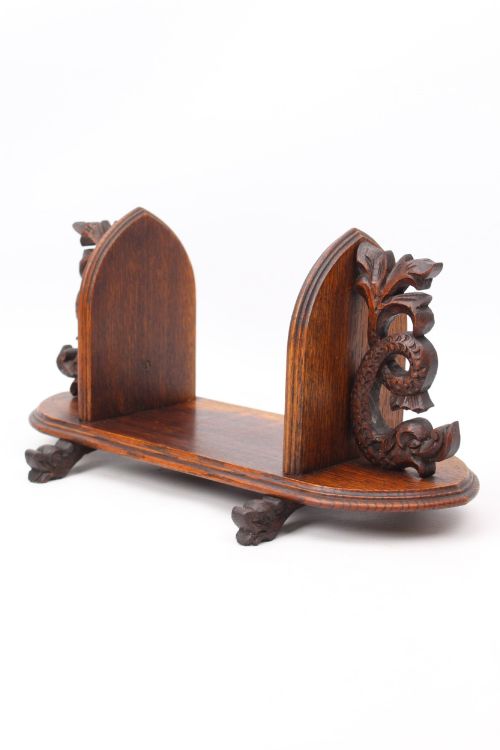
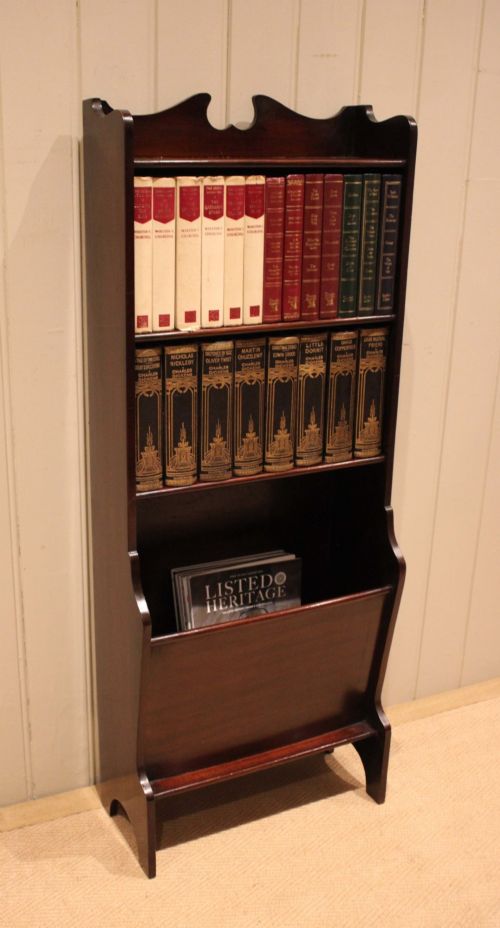
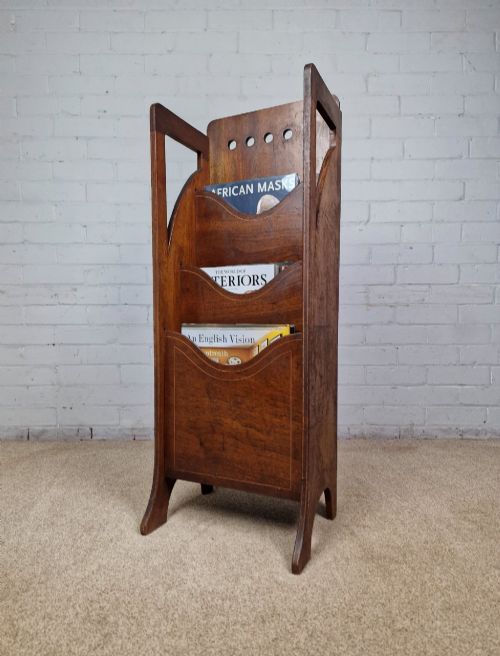
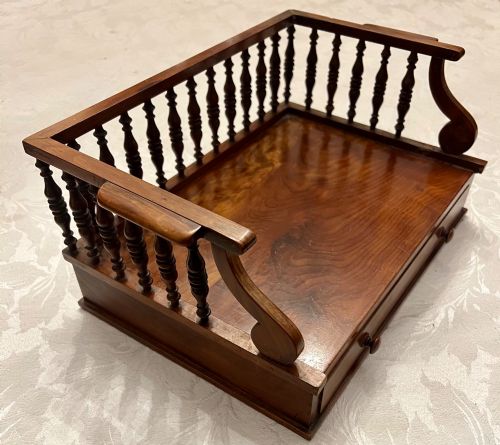
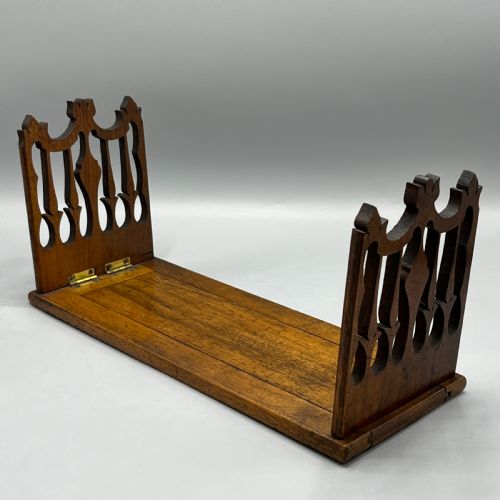
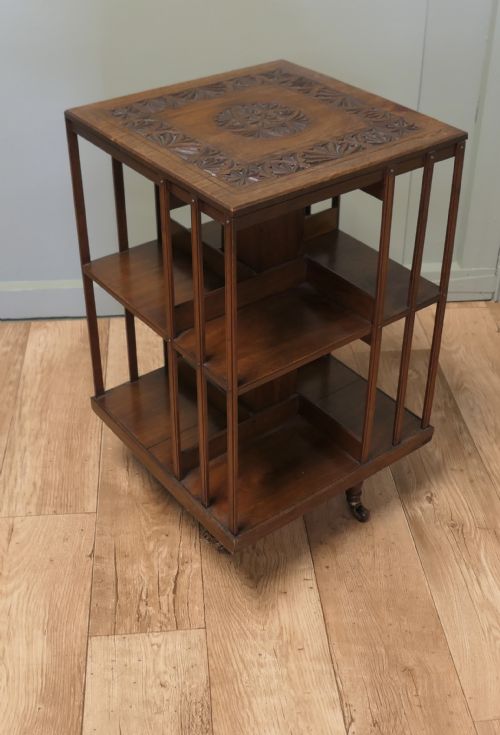
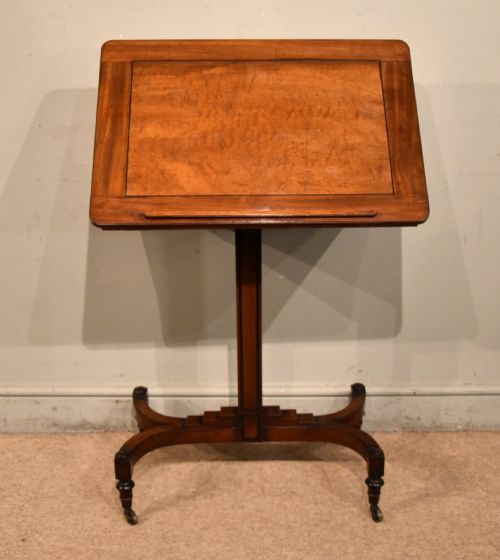
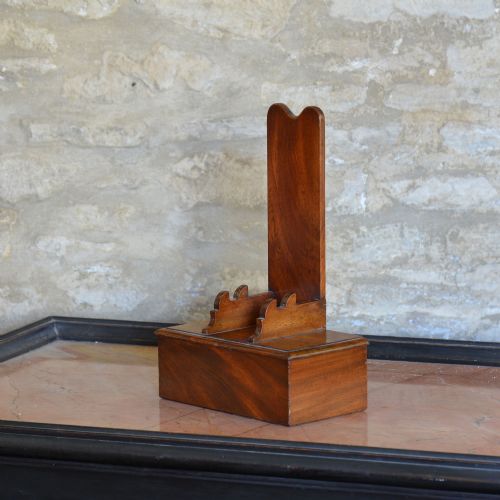
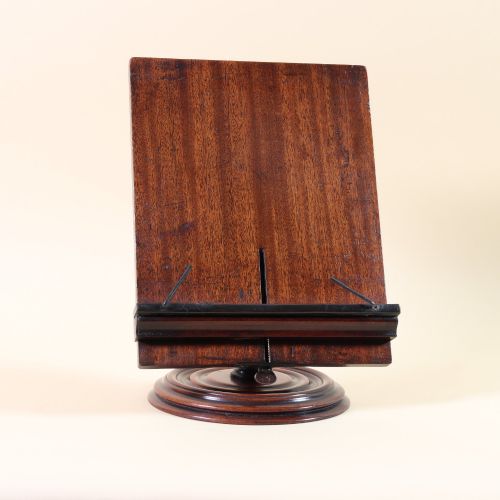
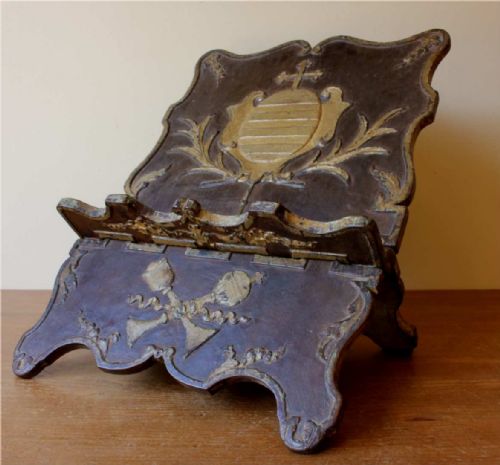
A standing book holder encompasses a varied group of reading accessories, from desktop book slides to heavy church lecterns and floor-standing music stands. Pieces frequently appear as revolving bookcases, adjustable reading tables, and low book troughs designed for firesides or libraries.
The selections span the nineteenth and early twentieth centuries, featuring Victorian, Edwardian, and Arts and Crafts examples alongside earlier Regency and William IV forms. Most items follow functional domestic or institutional patterns intended to keep heavy folios, Bibles, and volumes secure while open.
Materials and construction
Cabinetmakers utilised dense timbers such as mahogany, oak, walnut, and rosewood, often pairing structural hardwoods with brass hinges, mounts, and extending mechanisms. Metal variants employ cast iron for heavy ecclesiastical book rests, while lighter pieces incorporate bamboo, olive wood, and carved teak.
Joinery techniques focus on stability and adjustability, using ratchets, folding supports, and sliding sections to alter the angle and span of the rest. Carved details, brass inlays, and painted plaques finish finer library pieces, while simpler troughs rely on sturdy pegged joints.
Standing Book Holder Retail Price Guide 2026
Typical asking prices for standing book holder among the pieces listed under this phrase on Sellingantiques today, from the lower quarter to the upper quarter. They describe what is for sale here now, not the wider market.
Materials span traditional hardwoods like mahogany and oak alongside cast iron, brass, bamboo, and exotic woods such as gonçalo alves.
Judging the execution
Quality rests on the precision of the mechanical adjustments, the crispness of any carved or turned wood, and the selection of figured timber veneers. Better examples operate smoothly through brass ratchets or sliding mechanisms without binding, retaining original fittings rather than replaced elements.
The choice of materials also elevates a piece, distinguishing standard oak utility stands from burr walnut library desks adorned with painted plaques or intricate brass mounts. Structural integrity remains paramount, ensuring the heavy base or tripod safely supports the weight of a tilted volume.
Arthur Simpson·Osborne Garrett Co·Betjemanns·Harrods
The Standing Book Holder Glossary
- Book slide
- An extending rack designed to sit on a desk or table, holding a row of volumes upright between two bookends. Many incorporate expanding wooden actions and brass mounts.
- Lectern
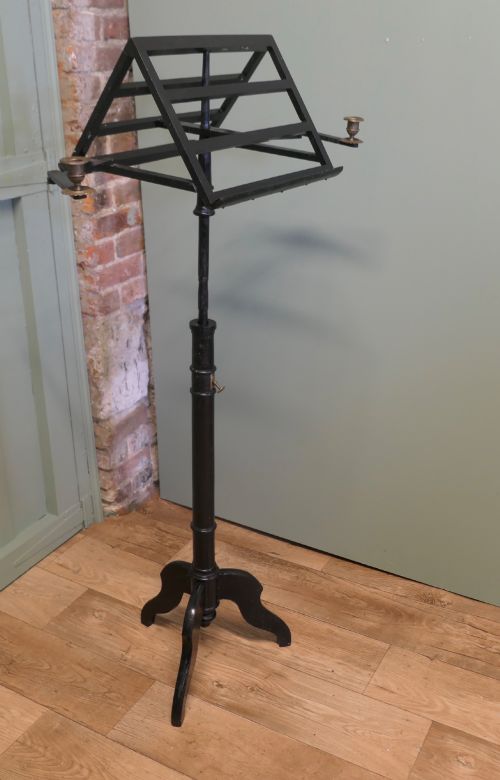
- A tall stand with a slanted top used to hold a book or speech for a standing reader. These often feature adjustable heights or rotating desk surfaces.
- Music stand
- A specialised reading stand featuring an adjustable slope, frequently mounted on a central pillar with tripod feet. They accommodate scores and heavy folios alike.
- Book trough
- An open-topped container placed on the floor or a tabletop to hold books in a vertical or sloping row. Edwardian and Arts and Crafts examples often sit near firesides.
- Canterbury
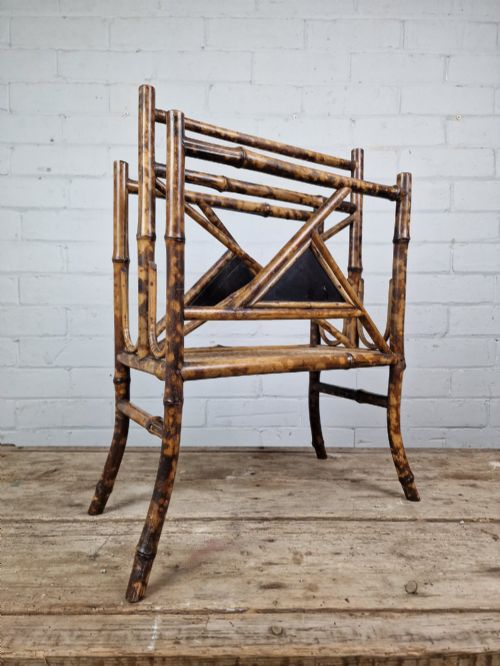
- A low stand featuring partitions for holding sheet music, magazines, or books, sometimes fitted with a small drawer below. Victorian versions frequently use bamboo or turned wood.
Standing Book Holder: Frequently Asked Questions
What is a standing book holder used for?
These pieces hold open heavy volumes, Bibles, or folios at a readable angle while the user stands or sits at a desk. They serve both domestic studies and institutional spaces.
Over time, forms evolved from simple table rests to complex revolving bookcases, music stands, and dedicated library troughs that kept collections tidy and accessible.
How do I adjust the reading angle?
Many models utilise brass ratchets or folding wooden struts fitted to the underside of the desk surface. Lifting the slope engages the support at various notches.
Heavier church lecterns and music stands often incorporate central screw mechanisms or pivoting brass hinges to secure the desired tilt.
What woods were commonly used?
Mahogany, oak, and walnut appear frequently across the nineteenth and early twentieth centuries. Cabinetmakers selected these dense timbers for their durability and attractive grain patterns.
Finer library pieces occasionally feature rosewood, burr walnut, or exotic imported woods like teak and olive wood, sometimes accented with brass mounts.
How do I date a book stand?
Dating relies on stylistic clues, construction methods, and the presence of patent stamps or maker labels. Regency and William IV pieces show classical restraint and turned supports.
Victorian and Edwardian items often display Gothic Revival motifs, Arts and Crafts simplicity, or extending brass mechanisms patented in the later nineteenth century.