





Stained Glass Door
A stained glass door brings colour and craftsmanship into a hallway, turning everyday daylight into something worth stopping for.
Stained Glass Door
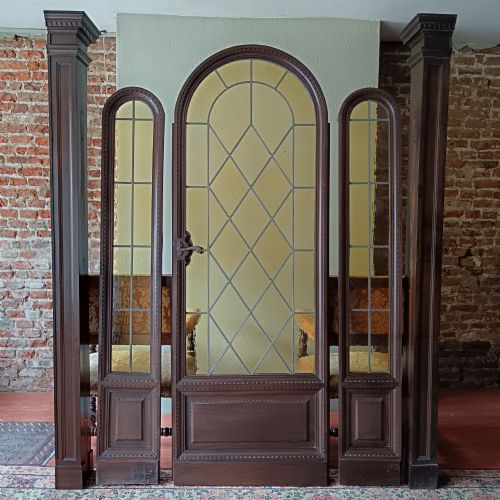
A stained glass door combines architectural woodwork with decorative glazing, functioning as both a structural entrance and a visual centrepiece. These pieces draw on Victorian, Edwardian, Art Nouveau, and Art Deco traditions, with origins spanning the nineteenth century through to the nineteen-twenties.
Buyers meet several distinct forms within this category, ranging from complete doors fitted with glazed panels to individual glass panels and windows intended for architectural salvage. Timber structures frequently incorporate walnut alongside brass and iron hardware, while the glazing relies on lead cames to hold the coloured and painted glass together.
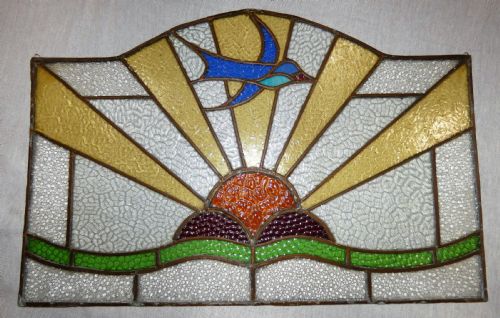
Examples often feature pictorial details such as country farmhouse scenes or hand-painted countryside landscapes, alongside abstract or Tiffany-style motifs involving birds and animals. Some items integrate etched glass with stained sections, while others present simpler leaded configurations suitable for domestic installation.
Materials and construction
Construction relies on timber frames, often utilising walnut or general architectural timber, joined to support heavy glazed inserts. The glass itself is shaped, painted by hand, and assembled using flexible lead cames that solder at the joints to form intricate patterns and secure the panes.
Surface treatment on the glass includes etching and hand-painted enamel details that are fired for permanence, capturing landscapes or botanical motifs. Metal elements such as brass and iron provide structural reinforcement, hinges, or decorative handles that complement the weight of the glazed sections.
Stained Glass Door Retail Price Guide 2026
Typical asking prices for stained glass door among the pieces listed under this phrase on Sellingantiques today, from the lower quarter to the upper quarter. They describe what is for sale here now, not the wider market.
Keep an eye out for glazed panels featuring painted farmyard fowl holding quiet conversations behind the lead.
Assessing quality and character
Quality rests heavily on the artistry of the painted glass and the intricacy of the leadwork. Fine examples display delicate brushwork in scenic panels and secure, even lead lines that maintain rigidity across large expanses of glass.
The integration between the timber frame and the glass determines the overall integrity of the piece. Superior items maintain robust wooden construction using durable timbers like walnut, holding the weight of the glazing without warping or putting stress on the soldered lead joints.
The Stained Glass Door Glossary
- Came
- A slender strip of lead, drawn in a mill to a specific cross-section, used to hold pieces of glass together in a window or door. These channels are soldered at every intersection to form a rigid matrix.
- Etched glass
- Glass that has been treated with acid or abrasive materials to wear away the surface and create frosted or opaque designs. This technique often appears alongside coloured stained glass for contrast.
- Architectural salvage
- Building elements rescued from older structures for reuse in modern settings. This category includes complete doorways, windows, and panels recovered from period properties.
- Leaded glass
- Glazing formed from small panes of glass held within a network of lead cames. It differs from stained glass in that the glass itself may be clear or textured rather than coloured.
Stained Glass Door: Frequently Asked Questions
How do I install a reclaimed door?
Installation requires a competent carpenter to ensure the weight of the glass is properly supported within the opening. Adjustments to the timber frame are often necessary to achieve a level fit in older wall structures.
Hardware such as brass and iron hinges must bear the combined load of the wood and the leaded glass panels. Careful sealing protects the historic materials from moisture while maintaining the alignment of the door.
How do I clean stained glass?
Cleaning requires a soft cloth and mild, non-ammonia soap applied gently to the glass surfaces. Abrasive cleaners must be avoided because they damage hand-painted details and scratch the soft lead cames.
Pressure washers and harsh chemicals will loosen the old putty and weaken the soldered joints. Regular dusting and gentle wiping keep the colours vibrant without risking the structural stability of the panel.
Can these doors be used externally?
Many period pieces were originally built as exterior entrances or vestibule doorways designed to withstand external weather conditions. However, older timber and leaded construction benefit from protective secondary glazing or sheltered porch placement.
Exposure to strong winds and moisture requires periodic inspection of the lead cames and wooden frames. Proper maintenance preserves both the structural integrity and the hand-painted artwork against the elements.
How do I date an antique door?
Dating relies on stylistic clues such as Art Nouveau curves, Victorian proportions, or Edwardian simplicity, alongside the type of timber used. The complexity of the leadwork and the painting style also offer clear indicators of the period.
Construction methods, including the cut of the wood and the type of iron or brass hardware attached, help narrow down the decade of manufacture. Comparing these elements with documented examples from the nineteenth and early twentieth centuries confirms the origin.