





Square Wood Frame
A square wood frame brings structural geometry and warm grain to any wall, holding everything from mirrors to miniature portraits.
Square Wood Frame
When you search for a square wood frame, you encounter a surprisingly varied selection of objects spanning multiple centuries and regional styles. The listings include wall mirrors, picture frames, and occasionally small furniture forms or paintings that utilise square wooden surrounds.
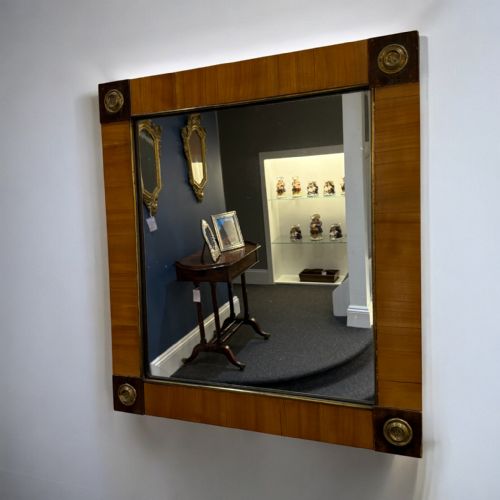
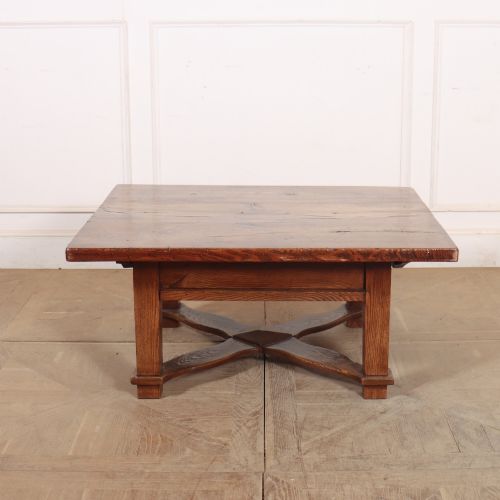
The pieces you are most likely to meet on this page lean heavily towards mirrors and tables originating from the nineteenth century, alongside earlier eighteenth-century examples. Materials range from simple oak and elm to exotic hardwoods, satin wood, and cherry wood veneer.
Stylistic influences span from Biedermeier and Victorian through to Anglo-Indian and Arts and Crafts designs. This mix reflects how makers across different eras utilised square wooden formats for both utility and decorative display.
How they were made
The construction of these items relies on solid woods such as oak, elm, and mahogany, frequently enhanced by decorative elements like brass inlay, giltwood, or composition details. Artisans also employed wood veneers, notably satin wood and cherry wood, to create subtle patterns on flat surfaces.
Square Wood Frame Retail Price Guide 2026
Typical asking prices for square wood frame among the pieces listed under this phrase on Sellingantiques today, from the lower quarter to the upper quarter. They describe what is for sale here now, not the wider market.
One mysterious listing simply offers a pair of sorcerer type mirrors, bringing a touch of optical curiosity to the collection.
What varies in quality
The quality of a square wood frame depends largely on the precision of its joinery and the selection of the timber itself. Finer examples display carefully matched wood grain, crisp carving, and harmonious integration of secondary materials like brass inlay or gilding.
Simpler vernacular pieces show more direct, utilitarian construction methods that prioritise function over decorative elaboration. The handling of the wood - whether through smooth French polishing or deep surface carving - ultimately defines the visual depth and tactile appeal of the piece.
The Square Wood Frame Glossary
- Biedermeier
- A central European style dating from the mid-nineteenth century that prioritises clean lines, utilitarian comfort, and the natural grain of woods like elm and cherry over excessive ornamentation.
- Anglo-Indian
- A term describing furniture and decorative objects made in India during the British period, typically featuring dense, intricate hardwood carving and contrasting inlay work.
- Giltwood
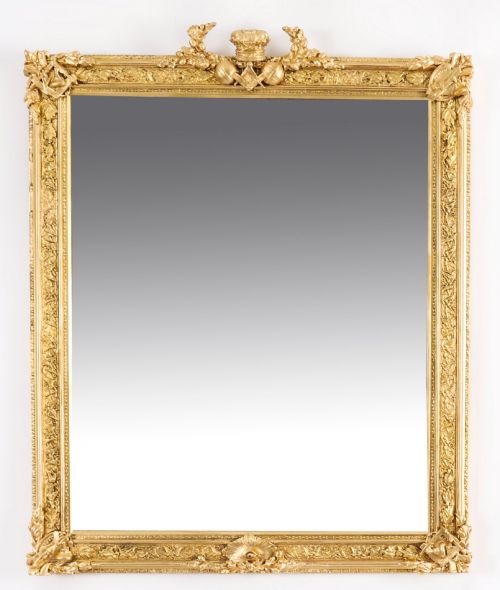
- Wood that has been coated with gold leaf or a similar metallic finish to create a bright, reflective surface often seen on nineteenth-century frames and mirrors.
- Veneer
- A thin layer of superior wood applied over a base of cheaper timber to provide a decorative surface without the structural cost of solid exotic wood.
- Arts and Crafts
- A design movement celebrating traditional craftsmanship, simple forms, and visible construction methods, often utilising plain oak with minimal applied ornament.
Square Wood Frame: Frequently Asked Questions
What periods do these square wood frames come from?
The inventory covers several eras, ranging from eighteenth-century items up to mid-century works.
Nineteenth-century examples are particularly common, representing Victorian, Biedermeier, and Arts and Crafts aesthetics.
How were Anglo-Indian frames decorated?
Anglo-Indian pieces typically feature deep, hand-carved motifs worked directly into dense hardwoods.
Many examples also incorporate contrasting materials such as brass inlay to highlight the geometric borders.
Are all these items simply picture frames?
No, the selection encompasses a broad variety of object types that utilise square wooden formats.
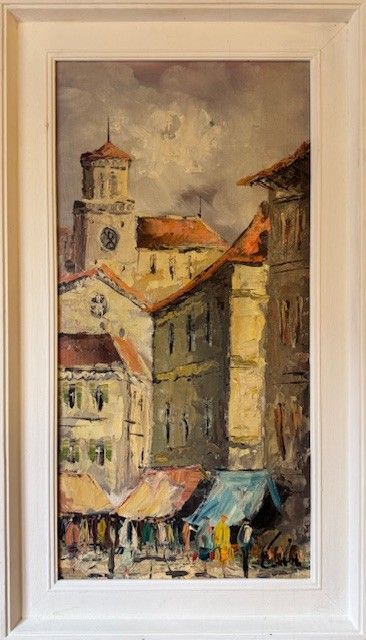
You will find wall mirrors, side tables, coffee tables, footstools, and paintings alongside traditional frames.
What woods are most commonly seen?
Makers utilised a wide array of timbers depending on the region and period of manufacture.
Common materials include solid oak, mahogany, elm, and hardwood, alongside decorative veneers like satin wood and cherry.