

Sports Animal Painting
A sports animal painting captures horses, hounds and working dogs in oil or watercolour from the Georgian, Victorian and mid-century eras.
Sports Animal Painting
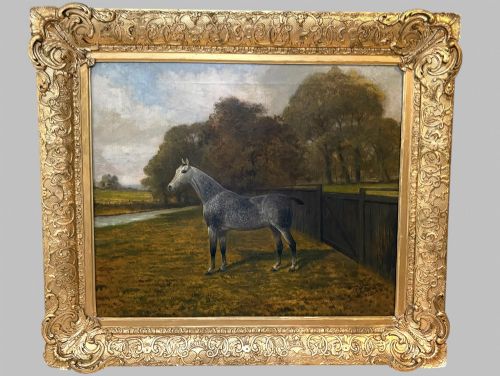
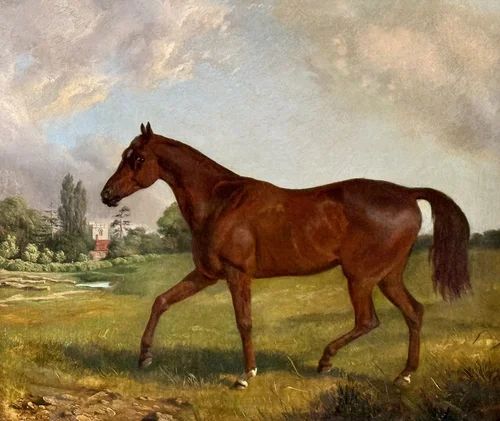
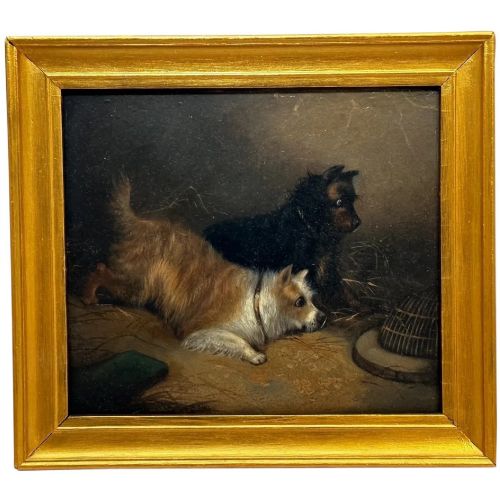
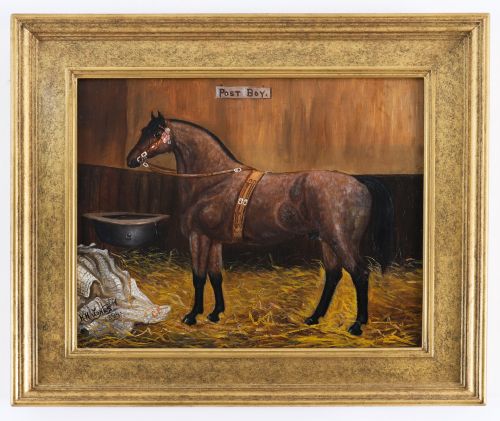
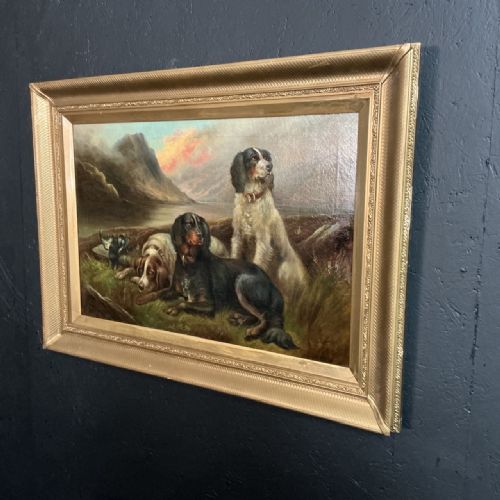
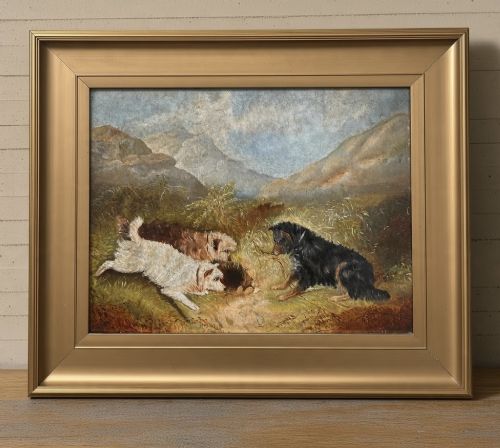
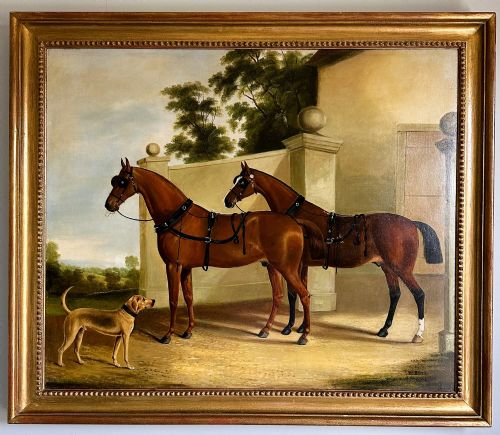
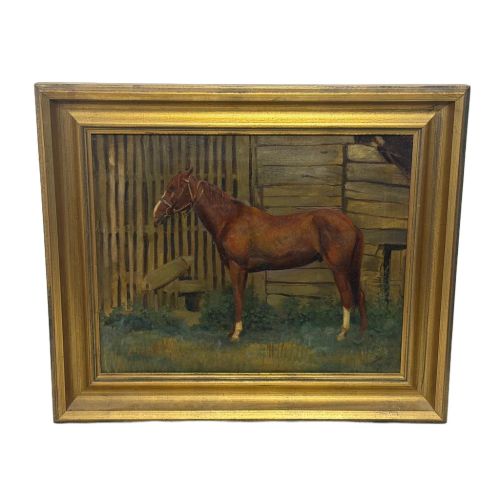
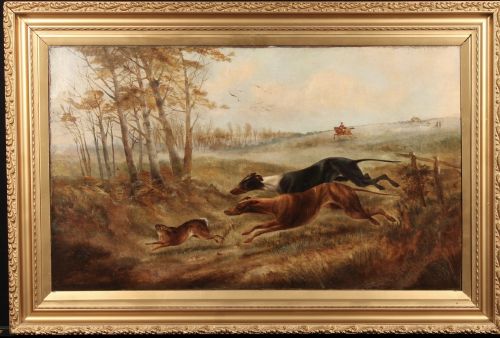
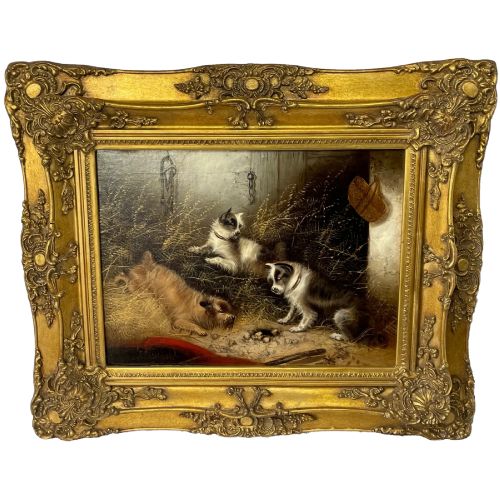
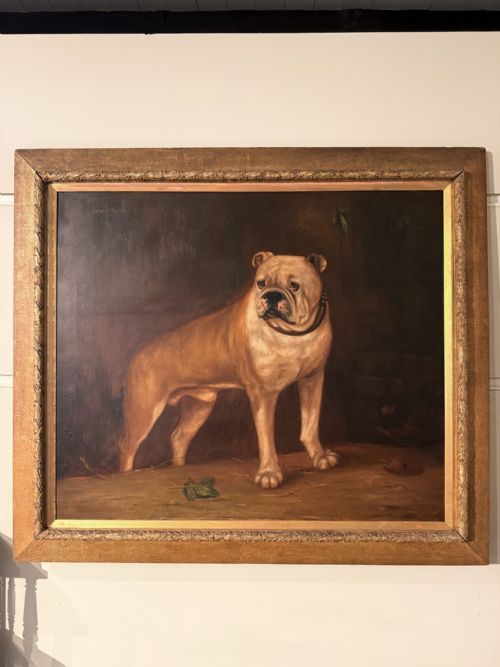
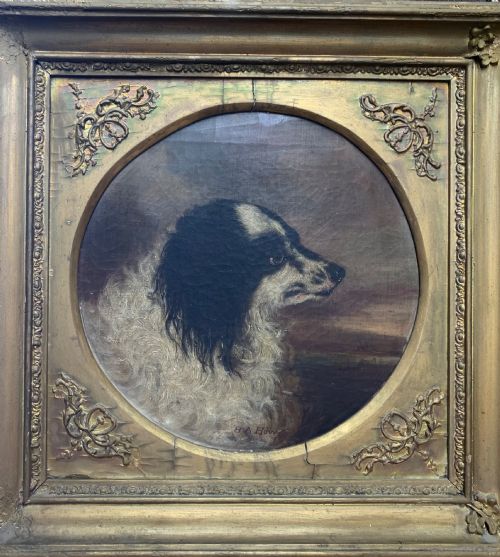
A sports animal painting records horses, hounds, terriers and livestock across the Georgian, Victorian, Edwardian and mid-century periods. These works focus on equestrian portraits, hunting scenes, gun dogs and stable yards.
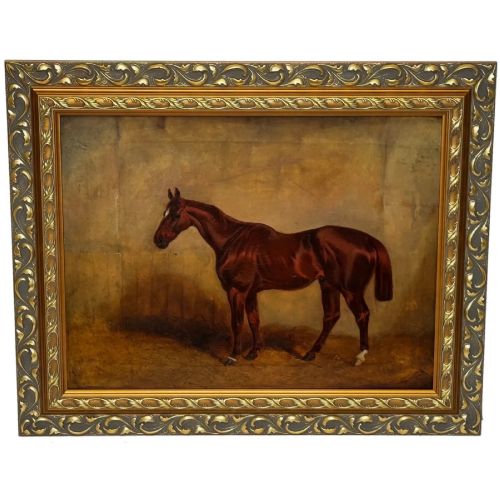
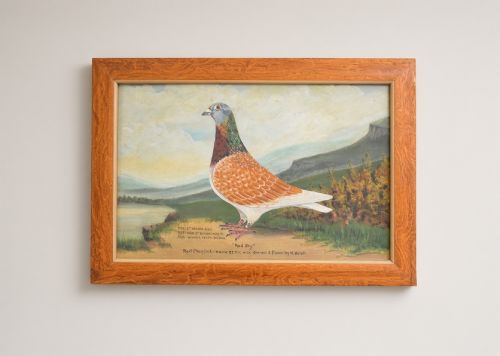
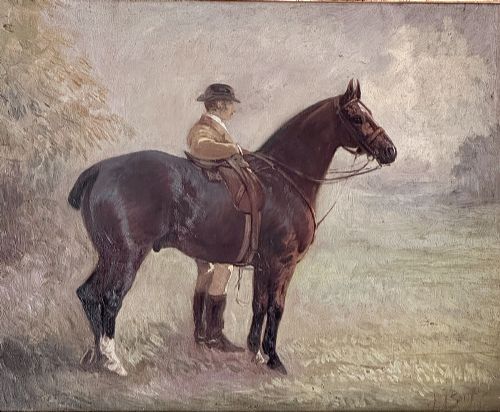
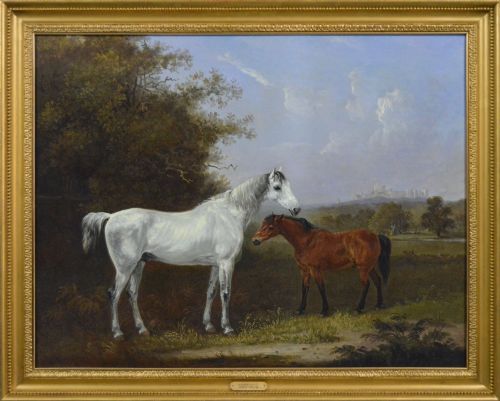
The dominant format on this page is the oil painting on canvas or board, frequently housed in a giltwood frame. Watercolours and pastels also appear, capturing individual champions and working packs.
Subjects range from named racehorses and prize greyhounds to terriers guarding farmyards and red setters in open landscapes.
How they were made
Artists applied oil paint to stretched canvas or wooden boards, building up layers to define muscle tone, coats and landscape details. Watercolours and pastels were worked on paper under glass.
Giltwood and plain wooden frames complete the works, often preserving period ornamentation that complements the canvas.
Sports Animal Painting Retail Price Guide 2026
Typical asking prices for sports animal painting among the pieces listed under this phrase on Sellingantiques today, from the lower quarter to the upper quarter. They describe what is for sale here now, not the wider market.
Listings span the Georgian, Victorian, Edwardian and mid-century eras, featuring oil on canvas, board, watercolour and pastel.
What varies in quality
Quality depends upon the artist's command of animal anatomy, movement and expression, separating competent records from masterly portrayals. Named artists with established provenance command greater attention.
The condition of the canvas and paint layer, alongside the originality of the period frame, influences the standing of each piece.
Andrew Beer·Charles Bilger Spalding·Edmund Bristow·Edward Armfield·George Armfield·B A Howe·Sir Edwin Henry Landseer·Fred Fitzpatrick·John Emms·Arthur Wardle·Albert Clark·C W Tuck·William Barraud·Samuel Raven·Colin Graeme Roe·Valentine Thomas Garland·John Trivett Nettleship·Samuel Spode·Fannie Moody·John Frederick Herring Jnr·Henri Schouten·John Frederick Herring·W A Clark
The Sports Animal Painting Glossary
- Provenance
- The documented history of a painting's ownership and origin. It confirms authenticity and traces the piece back through galleries or estates.
- Giltwood
- Wood carved and coated with gold leaf or a gold-coloured finish. This material is standard for framing traditional oil paintings.
- Equestrian portrait
- A painting dedicated specifically to a horse, often capturing a named runner, hunter or stallion in a stable or landscape setting.
- Oil on canvas
- Pigment mixed with drying oil applied to a woven fabric support. This technique provides depth and longevity to the artwork.
Sports Animal Painting: Frequently Asked Questions
What is a sports animal painting?
A sports animal painting depicts horses, dogs and livestock connected to rural sports, racing and country life. These works date mainly from the nineteenth and early twentieth centuries.
They serve as historical records of prized animals, hunting packs and rural working life, executed primarily in oil on canvas.
How do I identify the period?
Period identification relies on clothing styles in accompanying figures, framing techniques and canvas preparation methods. Georgian and Victorian works often feature heavier giltwood frames and darker palettes.
Signatures, dates inscribed on the reverse and recorded artist life spans help narrow down the exact decade of creation.
Where should I hang these paintings?
These works suit traditional reception rooms, studies and hallways where their rural subjects complement period interiors. Direct sunlight should be avoided to protect the oil paint and paper watercolours.
Stable wall fixings suited to the weight of large giltwood frames ensure secure display.
Were these paintings signed by the artist?
Many works bear artist signatures or monograms in the lower corners, though studio pieces and works by lesser-known hands remain unsigned. Attribution often relies on stylistic comparison and archival provenance.
Documentation on the reverse of the frame sometimes records the name of the animal or the estate.