

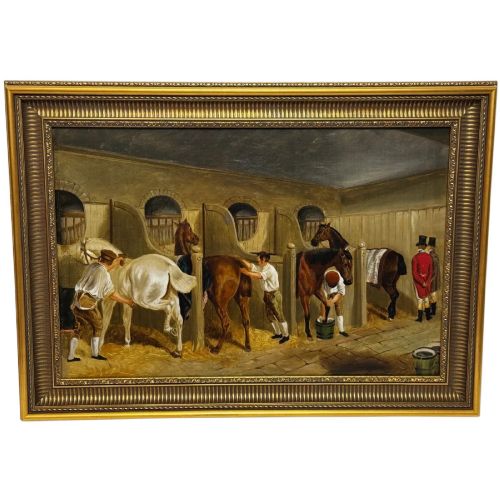
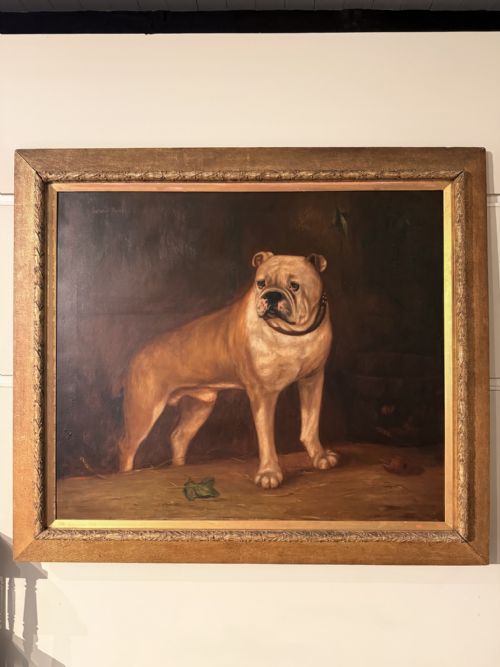
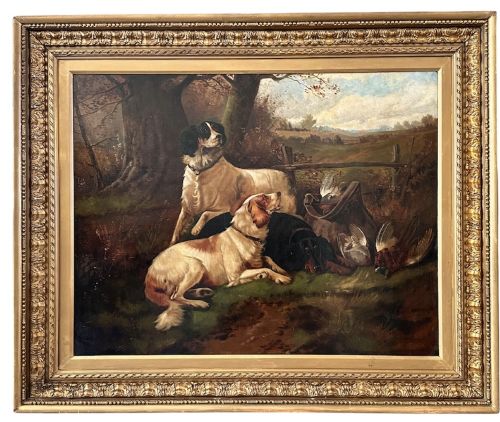
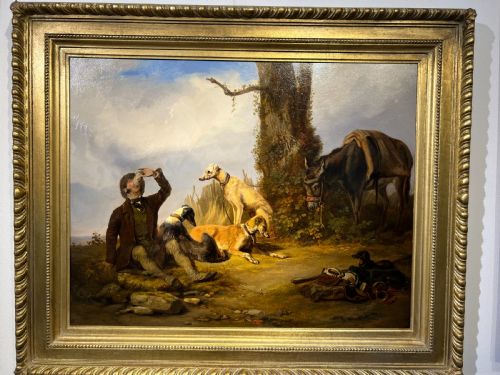
Sporting Oil on Canvas
Sporting oil on canvas works capture horses, hounds, and field sports through layered pigments applied directly to woven fabric.
Sporting Oil on Canvas
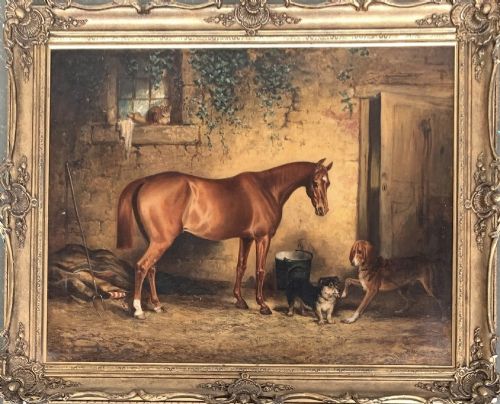
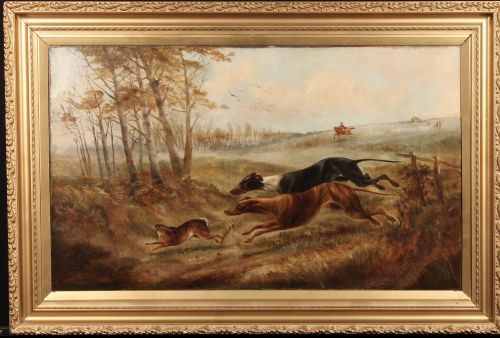
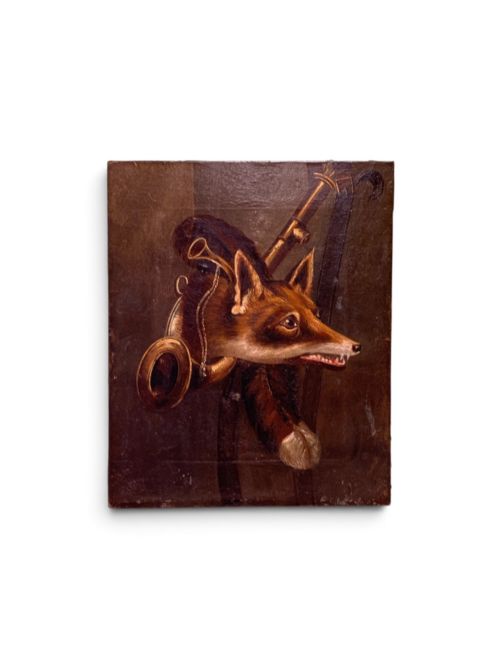
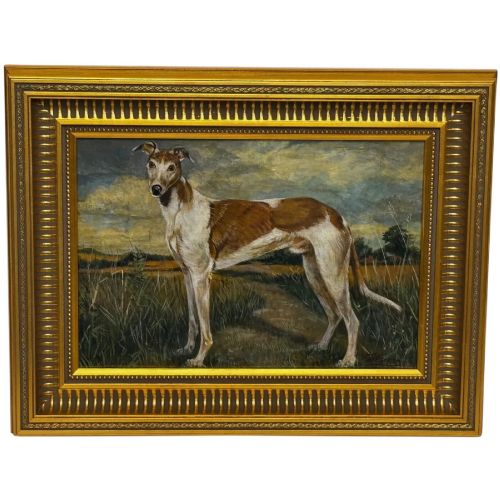
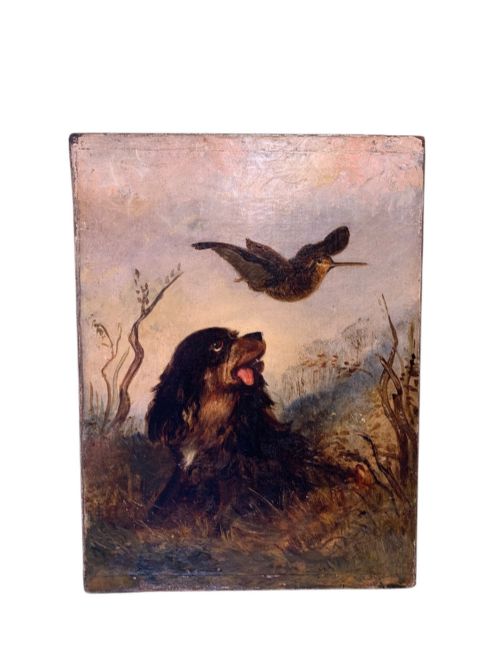
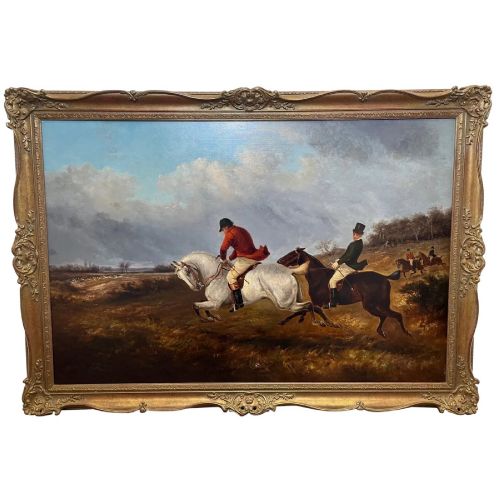
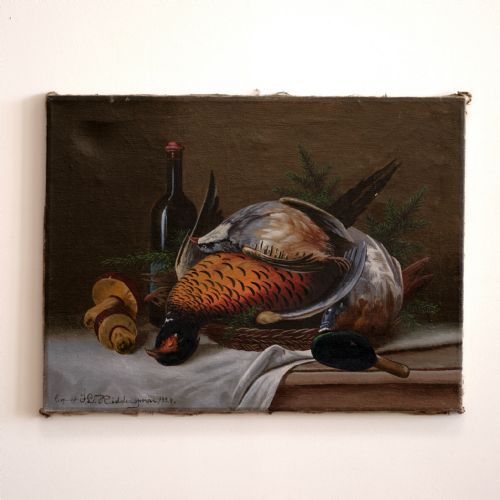
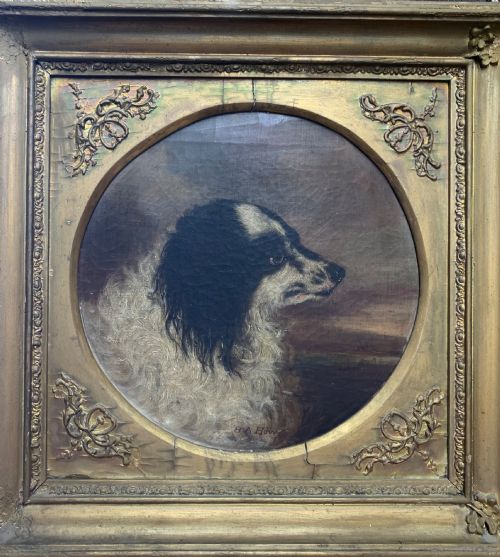
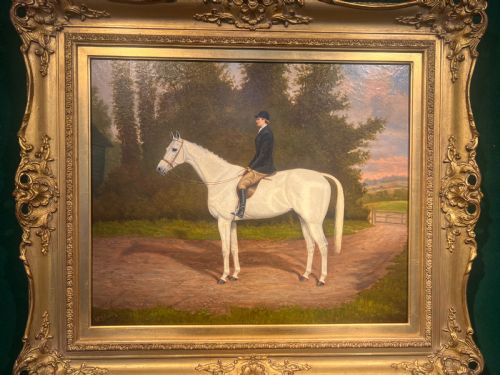
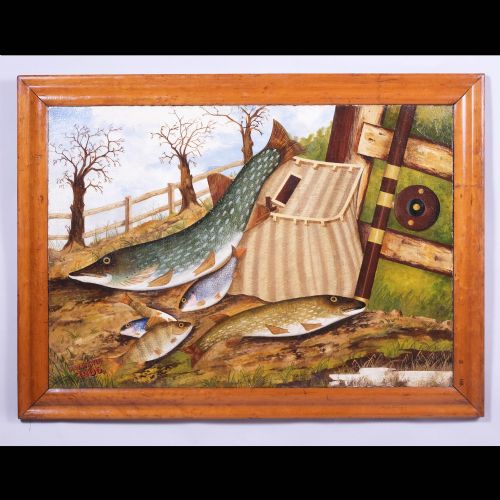
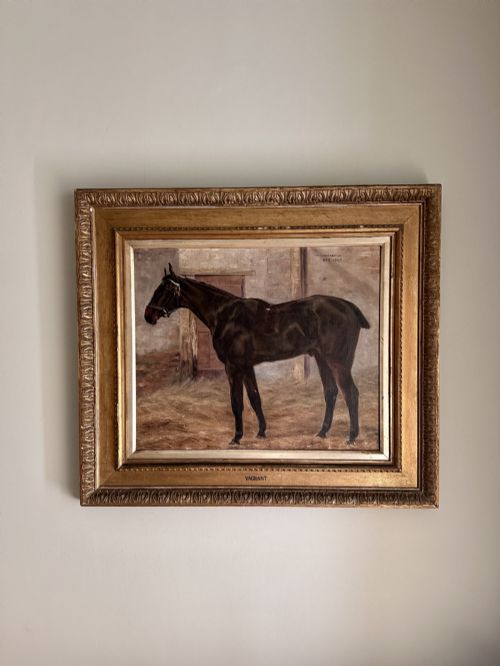
These framed paintings depict horses, gun dogs, hunting scenes, and racing subjects rendered in oil paint upon a woven canvas support. Such works span the nineteenth century through the mid twentieth century, encompassing Victorian sporting art and Edwardian rural compositions.
The most common examples encountered here feature individual animal portraits or dynamic hunting scenes housed within period giltwood frames. Collectors find everything from detailed studies of prize racehorses to atmospheric depictions of hounds in wide landscapes.
Materials and construction
Painters applied oil paint formulated with linseed and other drying oils directly onto stretched canvas, building up rich textures and deep tones. This medium allowed artists to achieve subtle shifts in light across an animal's coat or a turbulent rural sky.
Finished works found their homes inside carved wooden mouldings finished with gold leaf or giltwood, often protected behind glass in specific framing traditions. The combination of durable canvas and stable oil pigment has preserved these dynamic rural records over generations.
Several canvases record the likenesses of distinguished racing pigeons alongside celebrated hunters and gun dogs.
Assessing quality in sporting oils
Quality rests upon the artist's command of anatomy, movement, and light, distinguishing a master's observation from a stiff studio copy. Superior examples display precise rendering of equine muscle structure or canine expression rather than generic forms.
The sophistication of the surrounding gilt frame and the clarity of provenance regarding the depicted animal or estate elevate a piece's standing. Finer canvases demonstrate confident brushwork that conveys the urgency of a hunt or the stillness of a portrait without heavy overpainting.
Henry Barraud·George Armfield·Thomas Smythe·John Emms·John Ferneley Senior
The Sporting Oil on Canvas Glossary
- Canvas
- A heavy woven fabric, usually linen or cotton, stretched tightly across a wooden frame to serve as the painting support. It provides a resilient surface that accepts multiple layers of oil pigment.
- Giltwood
- Wood carved and coated with a thin layer of gold leaf or metallic gold paint. This traditional framing material imparts a warm, reflective border suited to nineteenth-century works.
- Provenance
- The documented history of ownership tracing a painting from its creation to the present day. Detailed records often link these sporting subjects to specific country estates or historical collections.
- Underpainting
- The initial monochrome or blocked-in layer of pigment applied to the canvas before detailed colour is added. Artists use this foundation to establish tonal values and composition.
Sporting Oil on Canvas: Frequently Asked Questions
How do I date an old sporting canvas?
Dating relies on stylistic clues within the painting, such as the cut of a rider's clothing, the design of the horse's tack, or the construction of the wooden stretcher bars behind the fabric. Comparing the artist's recorded working dates or examining period framing styles helps narrow the era.
Evidence from nineteenth-century and Edwardian examples shows shifting approaches to landscape backgrounds and animal proportions. Documented signatures and exhibition labels on the reverse provide further chronological anchors.
Where were these paintings originally displayed?
These works hung primarily in the country houses, hunting lodges, and estate libraries of nineteenth and early twentieth-century patrons. Owners commissioned portraits of favored hunters, prized gun dogs, and notable racehorses to celebrate rural pursuits.
Such paintings served as visual records of familial sporting achievements and agricultural pride. Today, they transition easily into domestic interiors, maintaining their traditional association with rural studies.
What subjects are most common?
Equine portraits dominate the genre, ranging from solitary studies of bay hunters to grand racing scenes with jockeys in full colours. Dog portraits, particularly spaniels, setters, and hounds, appear frequently alongside broader fox hunting and shooting narratives.
Artists also recorded agricultural livestock, coaching scenes, and pigeon racing. Each subject reflects the specific sporting interests of the period in which the canvas was produced.
How should I care for a framed oil painting?
Keep the artwork away from direct sunlight, extreme temperature fluctuations, and high humidity to prevent the canvas from slackening and the oil paint from cracking. Gentle dusting with a soft, dry brush is sufficient for routine maintenance.
Avoid using water or chemical cleaners on either the canvas surface or the giltwood frame. Professional conservation should be sought if the paint layer shows signs of lifting or severe discoloration.