




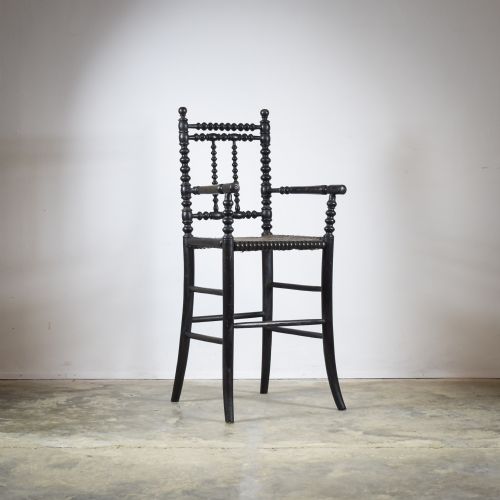


Spool Turned Furniture
Spool turned furniture brings rhythmic, cylindrical wooden turnings to tables, chairs, and shelves that catch the eye and anchor a room.
Spool Turned Furniture
Spool turned furniture encompasses seating, tables, and wall shelving defined by distinctive rounded wooden collars resembling reels of thread. When you search for spool turned furniture, you encounter pieces that span centuries of woodworking tradition from the seventeenth century through the nineteenth century.
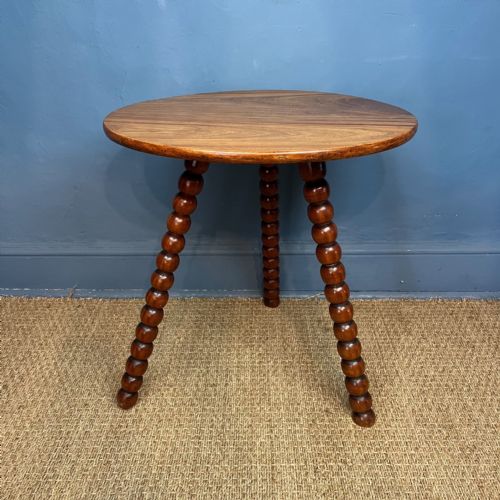
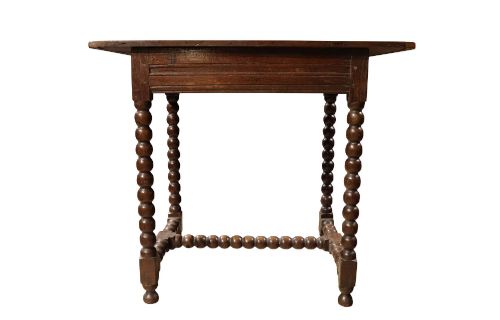
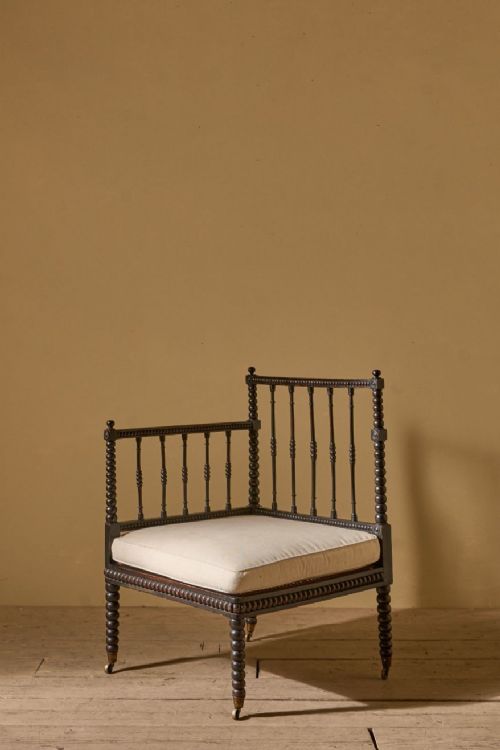
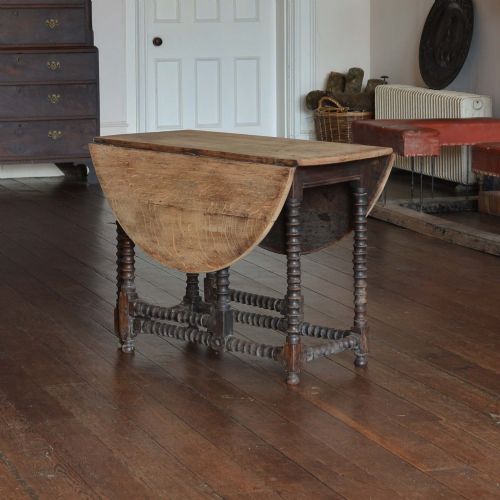
The version most commonly met on this page is the nineteenth century ebonised chair or side table, often referencing earlier seventeenth century Jacobean or Baroque styles. These items appear in various forms including corner chairs, armchairs, gateleg drop-leaf tables, and occasional tables.
Makers utilised a range of timbers including oak, walnut, pine, yew wood, mahogany, and rosewood, sometimes applying ebonisation to mimic costlier ebony. Regional interpretations vary from English oak gateleg tables to French wall shelves and Italian open armchairs.
How they were made
The characteristic spool or bobbin turnings were produced on a lathe, shaping solid timbers such as oak, walnut, and pine into repeating cylindrical segments. Craftsmen joined these turned structural elements using traditional joinery methods suited to the specific form, whether a gateleg table or a corner chair.
Surfaces were finished in diverse ways, ranging from clear polishes that highlighted the natural grain of yew wood or walnut to dark ebonised finishes on timber. Additional materials such as cane, leather, and fabric were integrated into seating and table tops for functional comfort.
Spool Turned Furniture Retail Price Guide 2026
Typical asking prices for spool turned furniture among the pieces listed under this phrase on Sellingantiques today, from the lower quarter to the upper quarter. They describe what is for sale here now, not the wider market.
Listings feature items spanning the seventeenth century to the nineteenth century, utilising oak, walnut, pine, brass, fabric, and cane.
What varies in quality
Quality rests in the precision and uniformity of the lathe turnings, where crisp, well-defined spool profiles distinguish superior examples from simpler or softer work. The choice and handling of timber also dictate standard, with dense woods like oak and walnut providing greater structural integrity than softer pine.
The condition of secondary materials such as cane seats, leather inserts, and fabric upholstery influences the integrity of surviving pieces. Original surface treatments, whether an ebonised finish or polished hardwood, retain more character than later interventions.
The Spool Turned Furniture Glossary
- Bobbin turning
- A form of woodturning consisting of a series of rounded, spool-like shapes resembling bobbins of thread along the length of a leg or stretcher.
- Gateleg table
- A table with hinged leaves supported by legs that swing outward like a gate, frequently seen with bobbin turned legs in seventeenth century oak.
- Ebonised wood
- Timber treated with a dark stain or finish to imitate ebony, a technique popular on nineteenth century chairs and shelves.
- Corner chair
- A chair designed to fit into the corner of a room, typically featuring a curved backrest and structural turning.
- Cricket table
- A small, lightweight table with three legs, often constructed from pine with turned supports.
Spool Turned Furniture: Frequently Asked Questions
What is spool turned furniture?
Spool turned furniture is wooden seating, tables, and shelving decorated with cylindrical, reel-like turnings along the legs and stretchers.
These pieces draw on seventeenth-century traditions and nineteenth-century revivals using materials like oak, walnut, and ebonised timber.
How do I date spool turned items?
Dating relies on timber selection, construction methods, and stylistic cues, with seventeenth-century examples showing heavy oak framing and nineteenth-century pieces using varied woods like mahogany, pine, and ebonised timber.
Details such as joinery techniques and secondary materials like cane or leather help distinguish period originals from later revival pieces.
Where were these pieces used?
These items served functional roles in domestic interiors as side tables, gateleg dining tables, corner seating, and wall shelves.
Smaller forms like child chairs and occasional tables fitted easily into parlour and bedroom spaces.
How do I care for ebonised wood?
Ebonised surfaces require gentle dusting with a soft cloth and protection from direct sunlight and excessive moisture to preserve the dark finish.
Avoiding harsh chemical cleaners ensures the underlying timber and surface treatment remain stable over time.