



Spindle Carved Cupboard
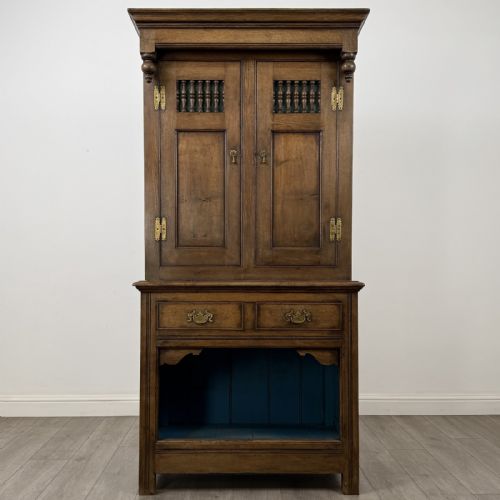
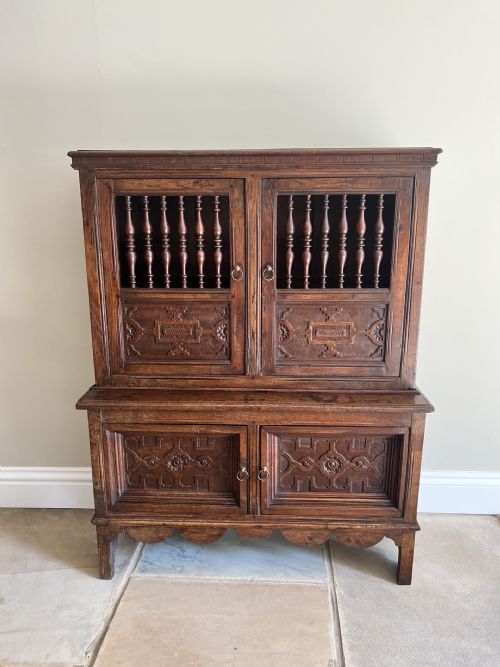
A spindle carved cupboard brings distinct timber character to a room, offering practical enclosed storage through centuries-old joinery traditions.
Spindle Carved Cupboard
A spindle carved cupboard encompasses a variety of enclosed wooden storage forms, ranging from modest bedside cabinets and wall units to larger regional food stores and bread cupboards. When exploring a spindle carved cupboard selection, buyers frequently encounter pieces originating from the seventeenth, eighteenth, and nineteenth centuries.
The regional diversity within these listings spans English oak vernacular pieces, French walnut bread stores, and Breton folk art examples. Surviving examples demonstrate how domestic storage evolved across different European traditions to suit local households.
How they were made
Cabinet makers relied primarily on solid timbers such as oak and walnut, occasionally incorporating chestnut and mahogany for specific structural or decorative elements. Surfaces frequently display traditional joinery methods alongside turned spindle work and carved details.
Hardware and secondary components typically feature brass fixtures, iron fittings, and glass panels. Interior configurations vary by form, utilising fitted shelves, mirrors, and door mounts suited to each cabinet's original domestic purpose.
Spindle Carved Cupboard Retail Price Guide 2026
Typical asking prices for spindle carved cupboard among the pieces listed under this phrase on Sellingantiques today, from the lower quarter to the upper quarter. They describe what is for sale here now, not the wider market.
Bread once lived in grand architectural splendor behind tiny turned bars, safe from mice but perhaps vulnerable to hungry teenagers.
What varies in quality
The standard of a piece rests heavily on the crispness of the spindle carving and the integration of turned elements into the main cabinet structure. Finer examples maintain structural integrity alongside well-figured timber grain that has aged naturally over centuries.
Provenance and regional attribution further distinguish individual items, particularly where provincial French folk art or specific English vernacular styles remain intact. Original hardware, glass, and surface patination contribute significantly to the overall integrity of the piece.
Heals
The Spindle Carved Cupboard Glossary
- Panetière
- A traditional French bread cabinet designed with open spindles to allow air circulation around loaves. These food stores are frequently constructed from walnut and originate from regions such as Provence.
- Livery cupboard
- A medieval or early modern storage piece traditionally used for food and candles. These wall-mounted or freestanding units often incorporate ventilation slats or turned spindles.
- Lit-clos
- An enclosed box bed common in Breton folk tradition, parts of which are sometimes repurposed into cabinets. These items reflect distinct regional woodworking styles from rural France.
- Aesthetic Movement
- A late nineteenth-century design style that emphasised visual beauty over narrative subject matter. Anglo-Japanese cabinets from this period often combine dark woods with refined decorative detailing.
Spindle Carved Cupboard: Frequently Asked Questions
How were these cupboards used originally?
Historically, these cabinets served to store provisions, bread, and household valuables securely. Regional variations like the French panetière were specifically ventilated to keep bread fresh.
Smaller wall-mounted livery cupboards held rations and candles for daily household consumption.
How do I date a wooden cabinet?
Dating relies on examining the timber species, joinery techniques, and structural hardware. Seventeenth-century examples often display heavy oak framing and distinct vernacular carving.
Later Victorian and Aesthetic Movement pieces introduce refined walnut surfaces and different manufacturing methods.
Where did regional cupboards originate?
The pieces available originate from various European traditions, including English vernacular workshops and French provincial regions. Breton folk art cabinets and Provençal bread stores carry distinct regional characteristics.
Local timber availability and domestic customs shaped the design of each provincial piece.