
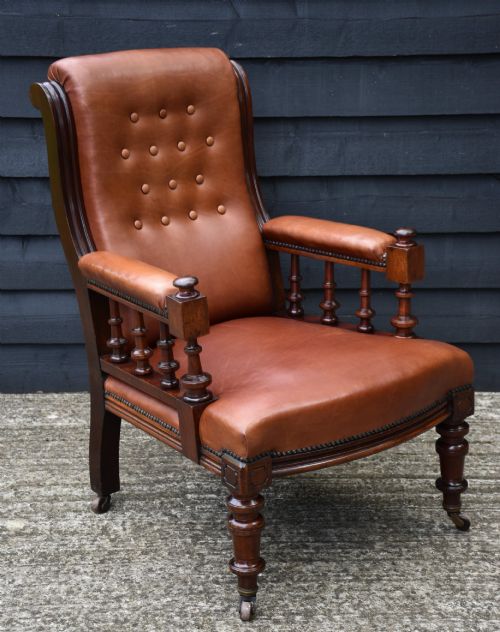
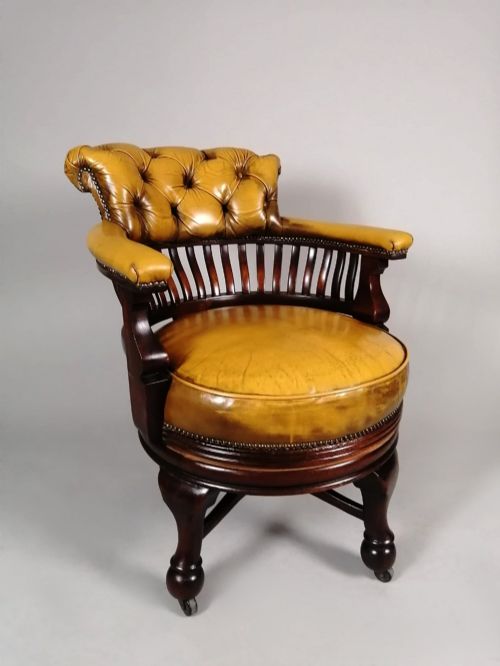

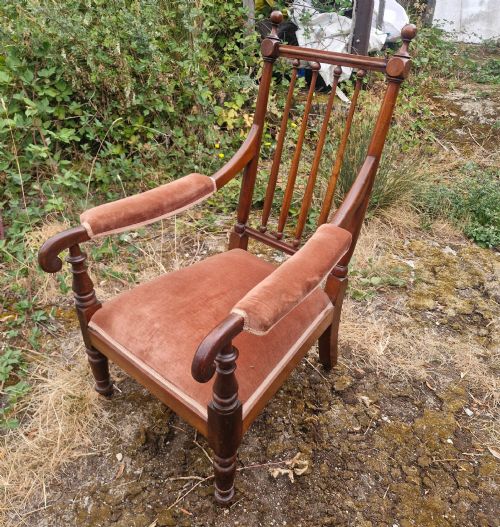
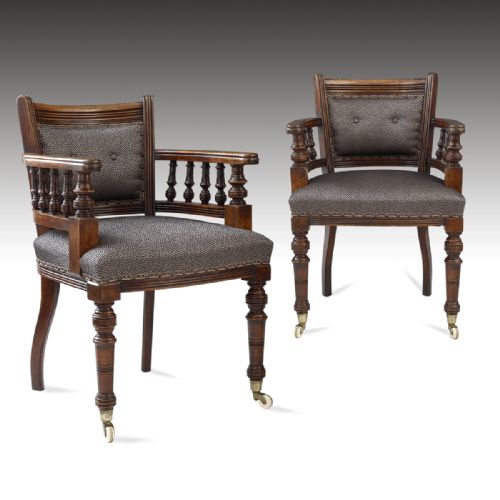


Spindle Arm Chair
The spindle arm chair brings together traditional turned timberwork and robust country craftsmanship for a seating form that remains both functional and sculptural.
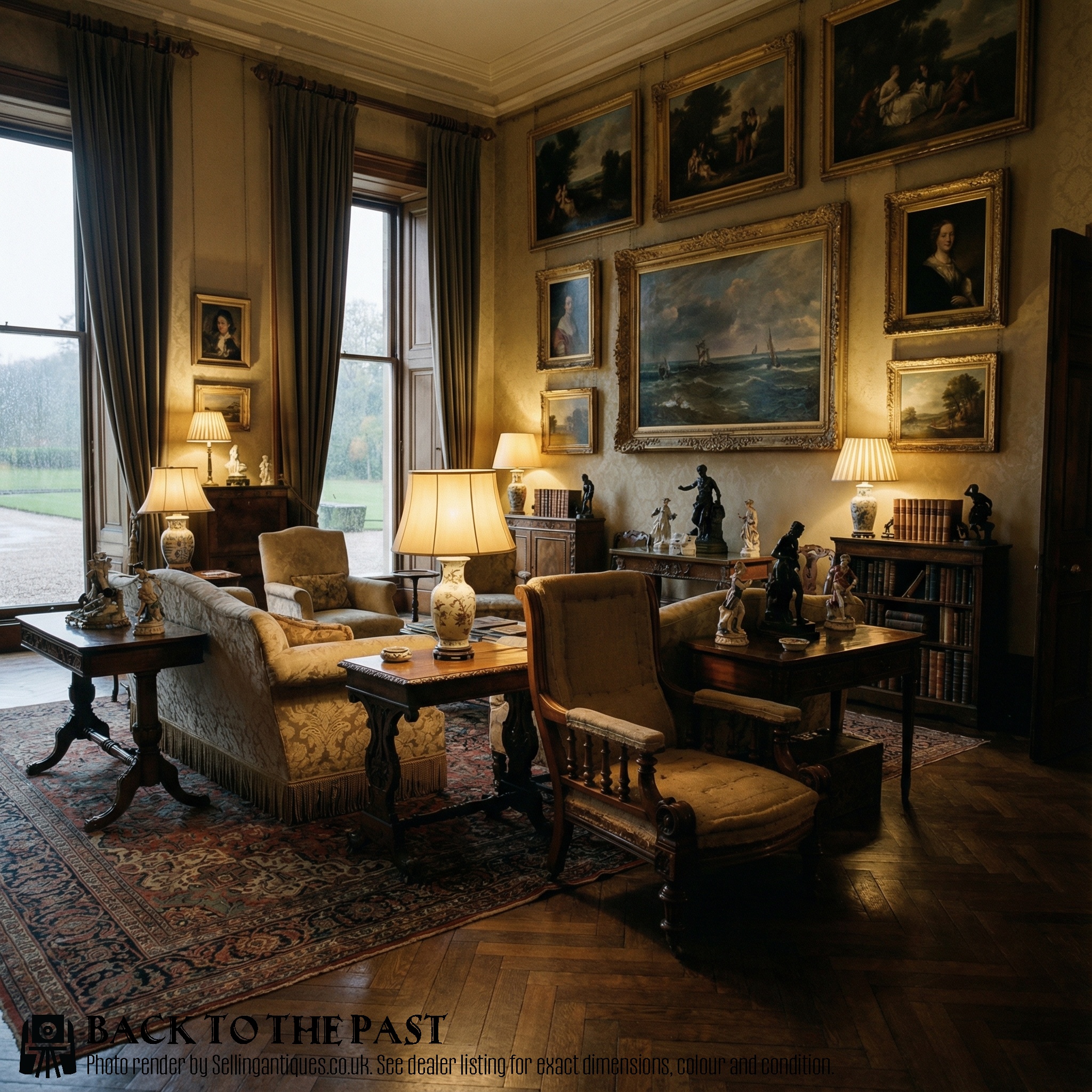
Spindle Arm Chair
When searching for a spindle arm chair, a buyer encounters a diverse group of seating primarily rooted in the nineteenth century, ranging from vernacular country pieces to refined urban library designs.
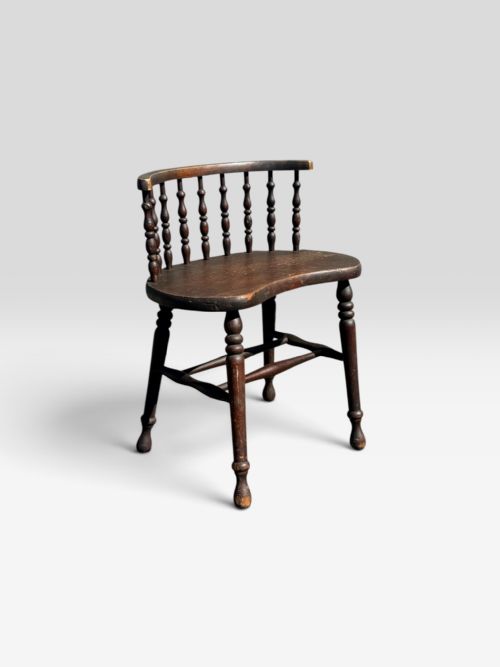
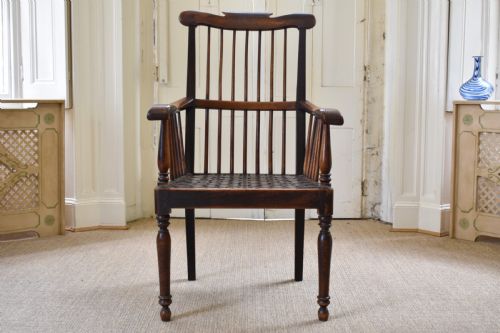
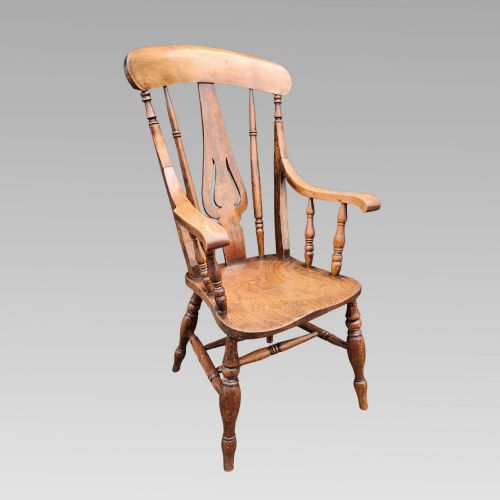
The version most commonly met on this page is the English country armchair, often uniting a sturdy elm seat with ash or beech spindles and legs, alongside regional Windsor and Lancashire variations.
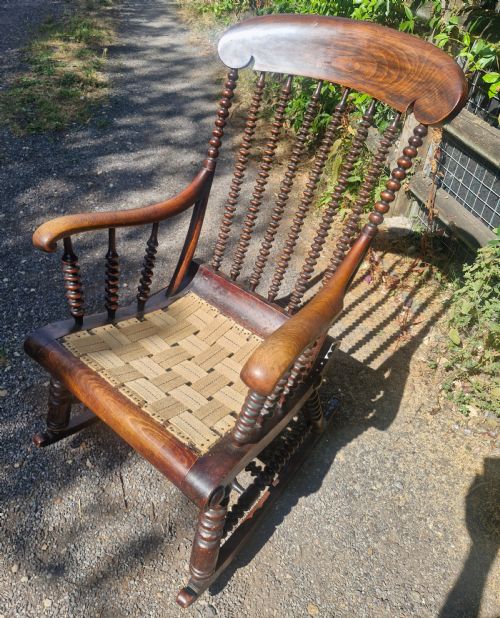
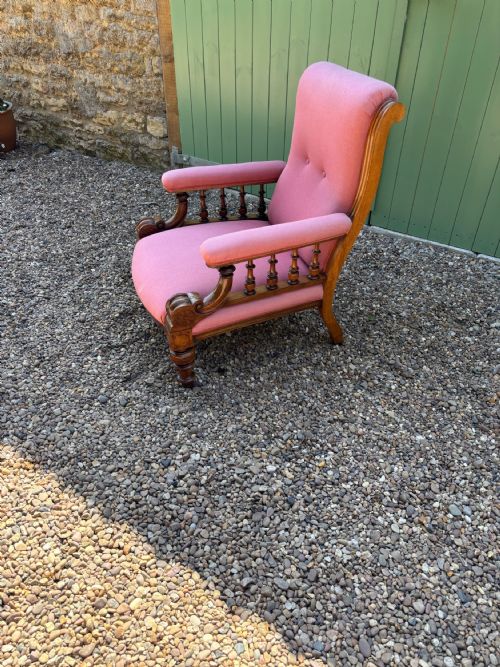
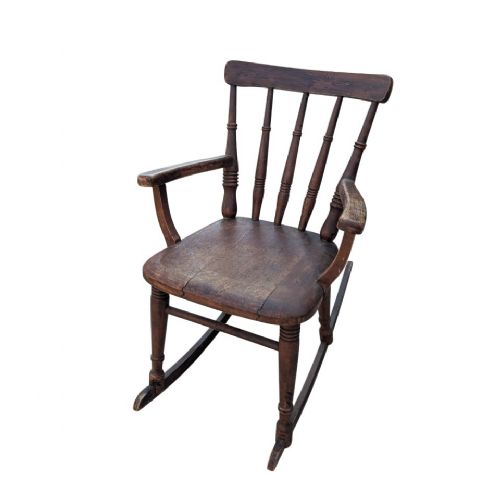
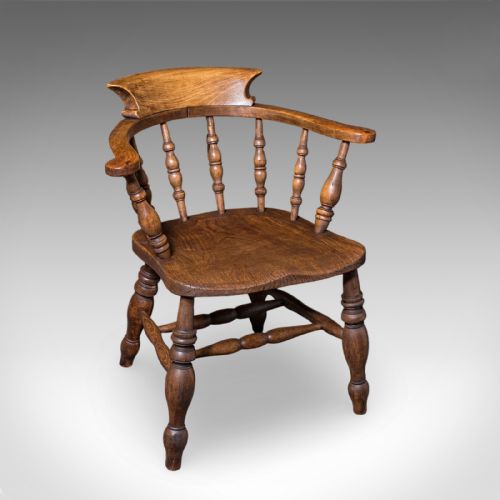
The selection also spans occasional rocking chairs, captain's smokeresque bows, and formal mahogany or oak desk chairs from Victorian and Edwardian periods.
How They Were Made
Maker construction relies heavily on native timbers, pairing durable dense hardwoods such as elm for scooped or solid seats with flexible ash, beech, or oak for steam-bent frames and turned spindles.
Joints are predominantly pegged or wedged mortise and tenon, securing upright spindles into carved crest rails and plank seats without relying on metal fasteners.
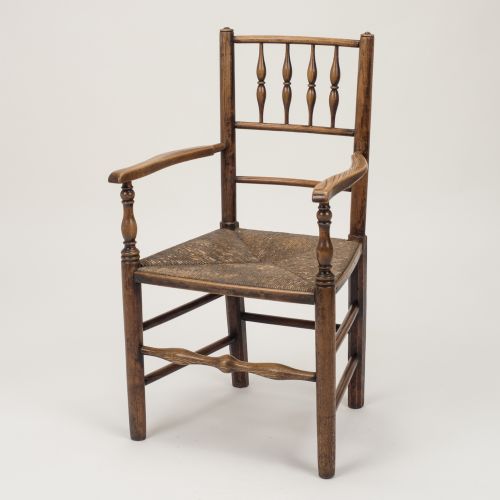
Some regional models incorporate rush or fabric upholstery for seating pads, while turned components are shaped on pole lathes or early mechanical lathes.
Several pint-sized child rocking chairs survive in miniature, proving that historic toddlers also demanded proper spindle-backed comfort by the hearth.
What Varies in Quality
Quality depends largely on the integrity of the timber selection and the precision of the turning, where crisp, well-defined spindles reflect higher workshop standards than soft or heavily worn profiles.
Structural longevity is dictated by the tightness of original joints and the degree of replacement timber in high-stress areas like armbows and undercarriages.
Surface finish also plays a role, with untouched patination and original wax or polish holding greater appeal than stripped or excessively restored woodwork.
Morris and Co·Liberty of London
The Spindle Arm Chair Glossary
- Spindle
- A slender, turned wooden rod used decoratively or structurally in backs and underframes. These elements provide support while keeping the chair light in appearance.
- Windsor
- A traditional chair type featuring a solid wooden seat into which the legs, back, and arms are separately inserted. They often display bowed top rails and central splats.
- Rush
- Woven marsh plant material traditionally used for seating pads. It offers a resilient and pliable surface that complements wooden frames.
- Smoker's Bow
- A low-backed, sturdy Windsor armchair with a continuous curved armrail popular in country houses and inns. This form prioritises comfortable daily use.
- Turned
- Shaped on a lathe by rotating the wood against a cutting tool to create symmetrical cylindrical or bulbous profiles. This technique decorates legs, stretchers, and uprights.
Spindle Arm Chair: Frequently Asked Questions
What is a spindle arm chair?
A spindle arm chair is a wooden seat featuring vertical turned pillars supporting the backrest or arms, combining structural strength with an open visual profile.
These pieces range from vernacular country Windsors to formal library and desk seating produced across the nineteenth and early twentieth centuries.
How do I care for rush seats?
Rush seats require gentle dusting and should be kept away from excessive moisture to prevent the natural plant fibres from becoming brittle and snapping.
Applying a light, occasional application of neutral beeswax to the surrounding wooden frame helps preserve the overall condition without harming the woven panels.
Where were these chairs used historically?
Historically, these chairs served versatile roles across domestic interiors, appearing in farmhouse kitchens, studies, libraries, and bedrooms alike.
Country versions provided robust seating for daily household tasks, while finer mahogany or upholstered variants suited formal reception rooms and offices.
How do I identify a regional style?
Regional styles are typically identified by specific timber choices, turning profiles, and structural quirks unique to areas like Lancashire, the West Country, or East Anglia.
For example, Lancashire examples frequently feature tall multi-tier spindle backs, whereas West Country Windsor models exhibit distinctive comb-pieces and distinctively shaped elm seats.