




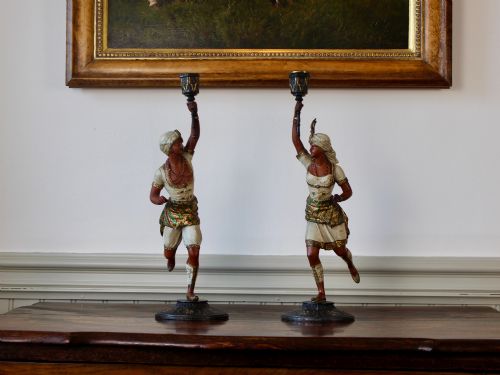

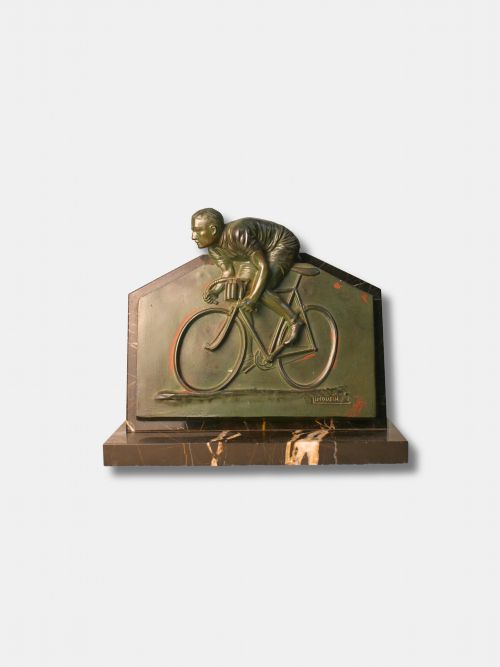


Spelter Metal Statue
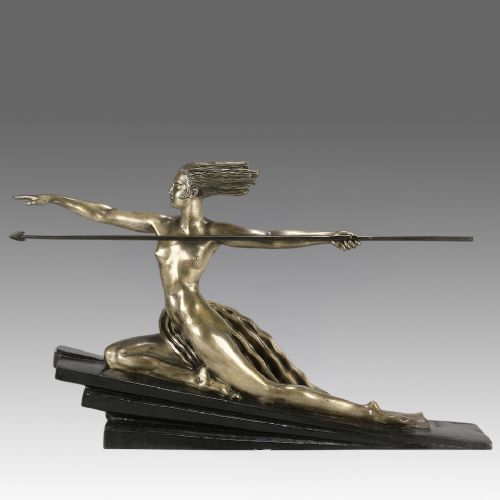
These spelter metal statue examples capture domestic and figurative subjects from the Victorian era through to Art Deco modernism.
Spelter Metal Statue
A spelter metal statue is typically a decorative figure cast from a zinc alloy, often given a metallic or painted finish to resemble bronze. The selection spans the nineteenth century and the early decades of the twentieth century, including Victorian works, Art Nouveau organic designs, and geometric Art Deco pieces.
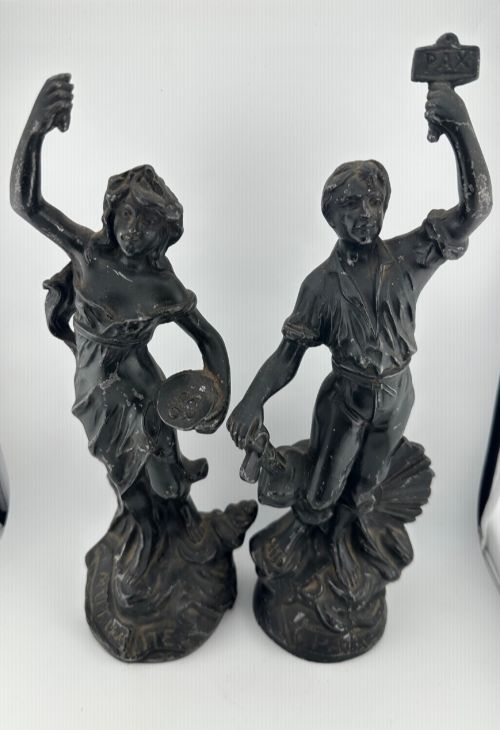
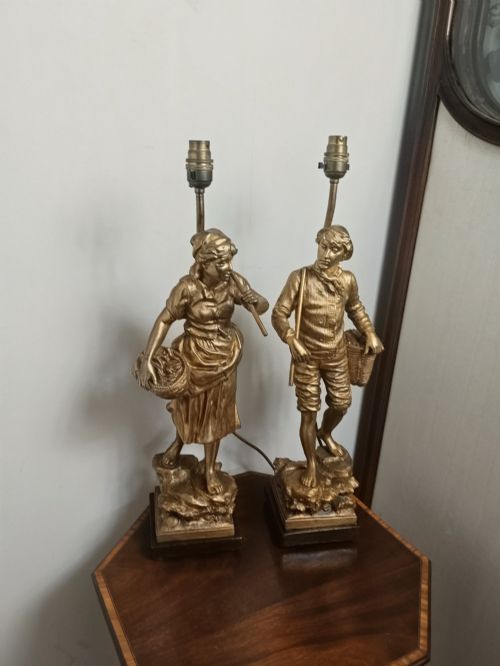
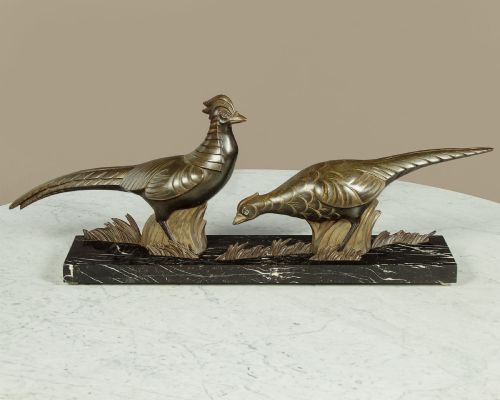
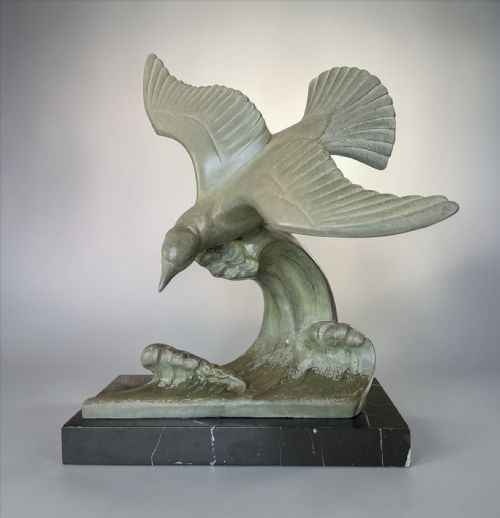
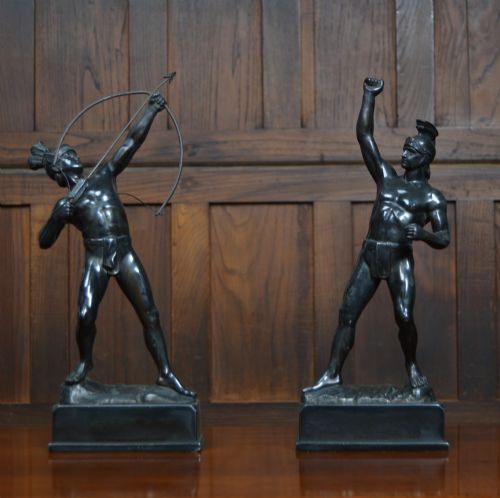
Buyers encounter allegorical pairs, animal studies of whippets, deer and panthers, athletic figures, and functional objects such as table lamps and candlesticks. French founders produced many of these figures, mounting them upon bases of marble or onyx to give stability and weight.
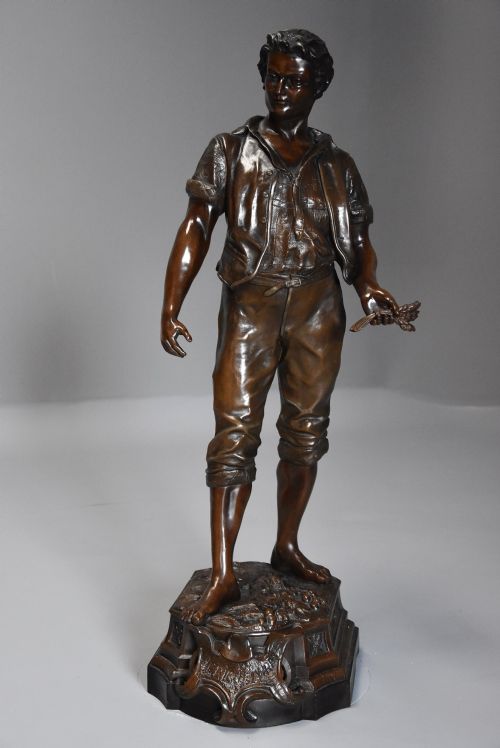
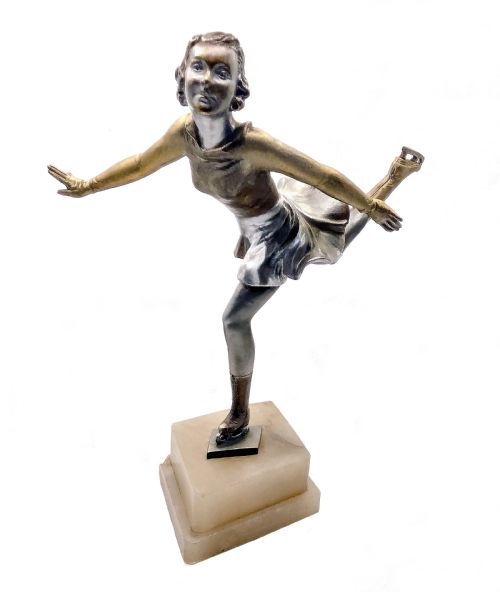
The aesthetic shifts from elaborate Renaissance soldiers and farm labourers of the late nineteenth century to stylised dancers, athletes and fauna typical of nineteen-twenties modernism. These pieces served as accessible ornamental sculpture for middle-class interiors.
Materials and casting methods
Foundries cast molten zinc alloy into moulds, producing figures that were lighter and more brittle than traditional bronze. Makers applied surface treatments such as bronzing or cold painting to add colour and texture to the metal surface.
Many sculptures incorporate secondary materials, most notably bases of black marble or onyx, and occasionally wooden elements or glass components. Cold painted finishes relied on non-fire paints applied directly to the metal after casting.
Spelter Metal Statue Retail Price Guide 2026
Typical asking prices for spelter metal statue among the pieces listed under this phrase on Sellingantiques today, from the lower quarter to the upper quarter. They describe what is for sale here now, not the wider market.
Materials span spelter, zinc alloy, bronze, marble, onyx, glass and wood.
Distinctions in execution
The integrity of the patination or cold painted surface dictates the visual appeal, alongside the choice of mounting base. Statues paired with substantial, high-grade marble or onyx plinths show greater architectural ambition than unmounted variants.
Jean de Roncourt·Josef Lorenzl·P. Sega·F. Milliot·C Masson
The Spelter Metal Statue Glossary
- Spelter
- A zinc-based alloy utilised by foundries as an economical substitute for bronze. It requires careful handling due to its relative softness.
- Cold painted
- A technique where paint is applied to a metal object without subsequent firing. This finish is susceptible to flaking over decades.
- Patination
- The surface finish or colour achieved through chemical treatment, metal plating or paint. It defines the perceived age and material of the sculpture.
- Allegorical figure
- A statue representing an abstract idea or virtue, such as peace or mutual aid, often produced in pairs during the nineteenth century.
Spelter Metal Statue: Frequently Asked Questions
How do I clean a spelter statue?
Dust the surface gently with a soft, dry brush to prevent accumulation in recessed details. Avoid water, harsh solvents or abrasive cleaning agents that strip fragile patination or cold painted highlights.
Keep the statue in stable environmental conditions away from moisture and direct sunlight. Excessive humidity can cause corrosion in zinc-based alloys.
Is spelter the same as bronze?
Spelter is a zinc alloy, whereas bronze is an alloy of copper and tin. Spelter is lighter, more brittle and softer than bronze.
Foundries often applied a dark bronze-like finish to spelter figures to imitate the more expensive metal. A small hidden scratch can reveal the lighter grey metal underneath.
Why are these figures mounted on marble?
Foundries mounted statues on marble or onyx to provide a heavy, stable footing for relatively lightweight metal figures. These stone plinths also added a sense of architectural finish suited to domestic display.
Art Deco designs made particular use of contrasting black marble bases to complement the geometric styling of the figures.
How can I tell Art Deco from Victorian pieces?
Victorian and late nineteenth-century pieces lean towards realistic depictions of labourers, soldiers and allegorical themes with intricate historical detail. The finishes are typically dark bronzing.
Art Deco works from the nineteen-twenties feature streamlined dancers, athletes and sleek animals with stylised geometry. These often utilise onyx bases and brighter cold painted highlights.