




Spanish Baroque Painting
Spanish baroque painting brings intense devotional theatre and profound shadow straight from seventeenth-century monastic and domestic altars.
Spanish Baroque Painting
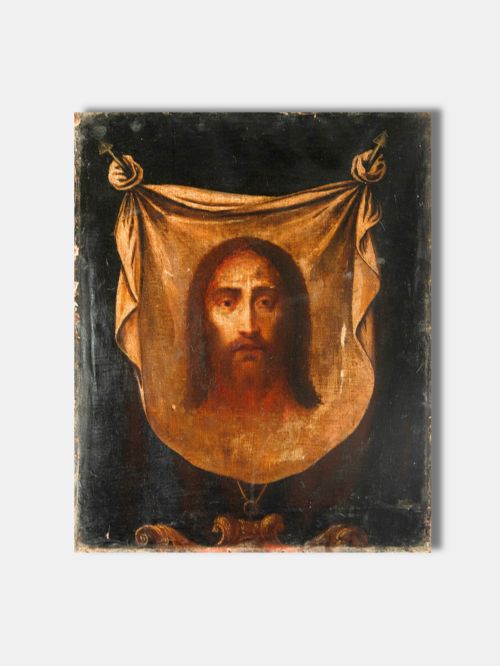
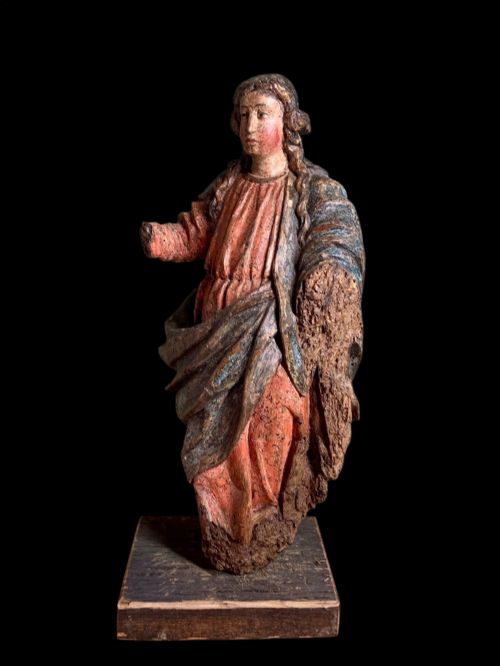
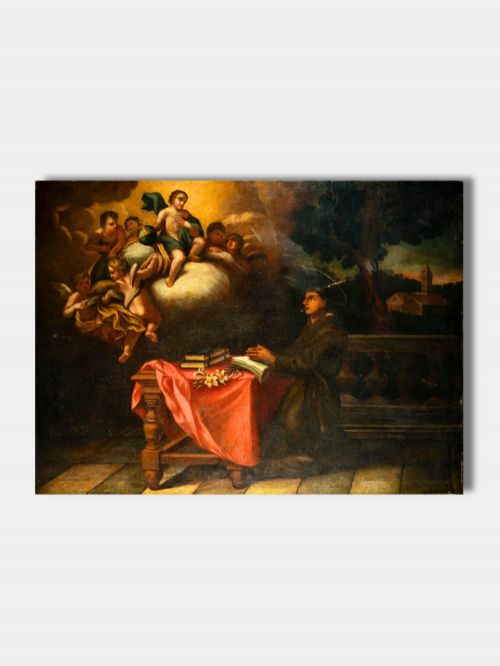
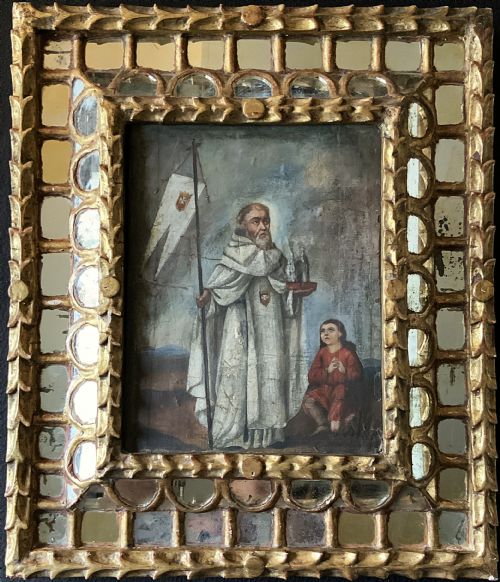
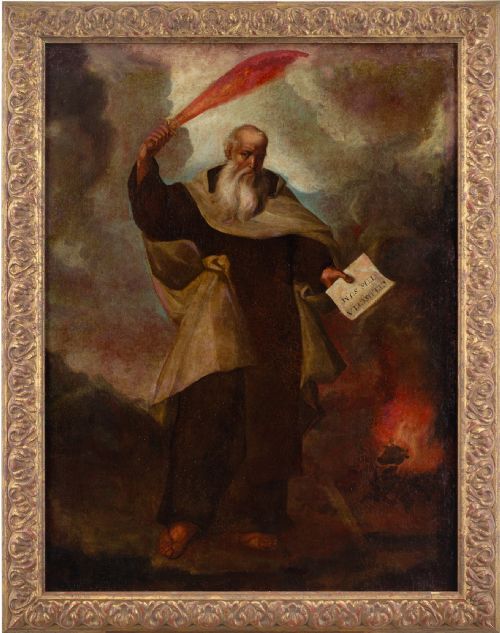
When you search for spanish baroque painting, you enter a domain of devout religious portraits, monumental canvas oils, and striking polychrome wooden sculptures. The works span the seventeenth and eighteenth centuries, capturing the dramatic tenebrism and emotive intensity of the era.
You will encounter oil on canvas works depicting saints and holy figures alongside carved wooden saintly figures and painted leather screens. Many pieces connect directly to traditional Spanish schools and colonial workshops of the period.
The selection ranges from intimate devotional panels of the Virgin Mary to large-scale narrative scenes after masters like Murillo. Each piece reflects the rich religious devotion and artistic vigour characteristic of the Spanish Baroque style.
Materials and construction
Painters worked primarily with oil pigments applied to stretched canvas or prepared wood panels, often incorporating gesso layers to prime the surface. Sculptural works utilised carved wood finished with polychrome paint and intricate gilding.
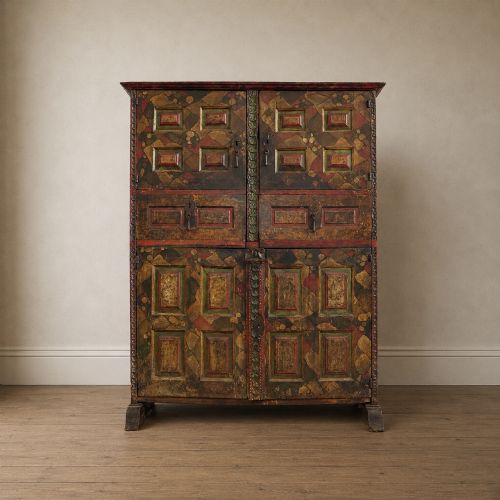
Frames and decorative panels frequently employed gilded wood and embossed leather, reflecting the high craftsmanship of period artisans. Pigments were carefully layered to achieve the deep, dramatic shadows and luminous highlights typical of baroque art.
Spanish Baroque Painting Retail Price Guide 2026
Typical asking prices for spanish baroque painting among the pieces listed under this phrase on Sellingantiques today, from the lower quarter to the upper quarter. They describe what is for sale here now, not the wider market.
Listings feature works from the seventeenth, eighteenth, and nineteenth centuries, utilising canvas, wood, gesso, and gilded wood.
Judging quality and execution
The distinction between ordinary workshop output and superior execution lies in the handling of light, shadow expression, and anatomical precision in figures. Masterful brushwork breathes life into devotional subjects, whereas lesser pieces rely on stiff repetition and flat tone.
Original surface preservation, authentic period framing, and the depth of polychrome detailing dictate the overall standing of a piece. Works retaining their initial gesso and pigment layers without heavy modern restoration command greater artistic integrity.
Juan Ruiz Soriano·Gaspar de Figueroa·Bartolome Murillo
The Spanish Baroque Painting Glossary
- Baroque
- An artistic style originating in the seventeenth century characterised by dramatic movement, deep shadow, and exuberant emotional intensity. It dominated European art through grand architectural and painterly expressions.
- Polychrome
- The practice of decorating sculptural wood or architectural elements in multiple colours. Artisans applied pigment over gesso to create lifelike depictions of saints and holy figures.
- Tenebrism
- A painting style employing violent contrasts of light and dark where darkness becomes a dominating feature of the image. This technique heightens the dramatic tension in seventeenth-century religious compositions.
- Gesso
- A white paint mixture consisting of a binder mixed with chalk, gypsum, or pigment used as a preparation substrate for painting or gilding. It provides a smooth surface for canvas and wood panels.
- Giltwood
- Wood that has been treated with a thin layer of gold leaf or gold powder. It frequently adorns the frames and architectural elements associated with baroque fine art.
Spanish Baroque Painting: Frequently Asked Questions
How do I identify a seventeenth-century canvas?
Examine the weave of the canvas, the composition style, and the preparation layers beneath the paint. Older canvases typically display irregular weaves and natural fibre variations consistent with period manufacturing methods.
Look closely at the pigment behaviour and craquelure patterns. Natural ageing creates a fine network of cracks across oil on canvas works that modern replicas cannot replicate accurately.
What subjects appear most frequently?
Religious iconography dominates this category, featuring depictions of the Virgin Mary, various saints, and narrative biblical scenes. Portraiture of theologians and still life arrangements also emerge within the selection.
Many compositions draw inspiration from master painters such as Murillo, reflecting the widespread reverence for established baroque prototypes during the period.
How were polychrome sculptures displayed?
Carved wooden figures and character heads served as focal points in domestic shrines, private chapels, and monastic interiors. They were placed on altars or integrated into architectural wall elements.
Lighting played a crucial role in their presentation, as ambient candle or natural window light accentuated the layered polychrome paint and gilded details.
Are painted leather screens common?
Hand-painted and gilt-embossed leather screens represent a distinct form of interior furnishing from the eighteenth century. They functioned as room dividers and decorative wall coverings in affluent spaces.
These pieces combined durable leather substrates with intricate painted ornamentation, demonstrating the versatility of baroque craftsmanship beyond traditional canvas painting.