





Spanish Chairs
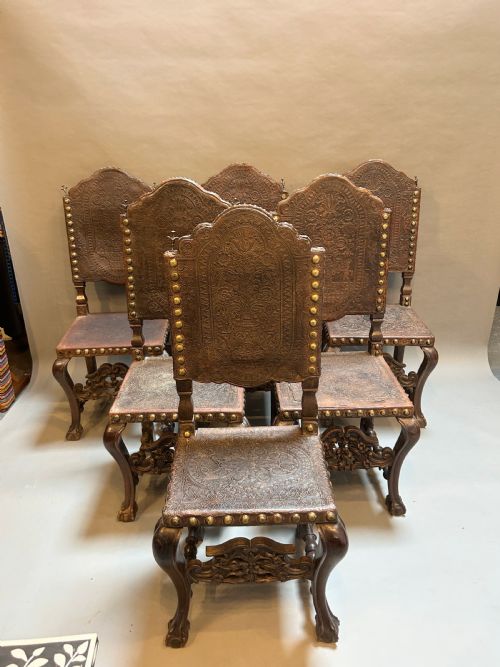
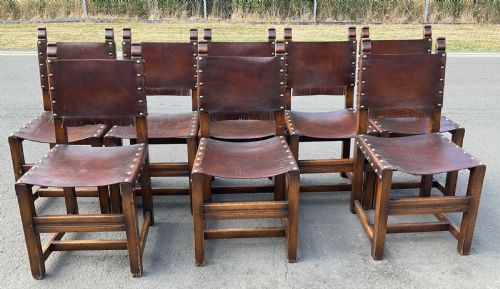
Spanish antique chairs bring robust walnut frames, studded leather, and ironwork into a room.
Spanish Chairs
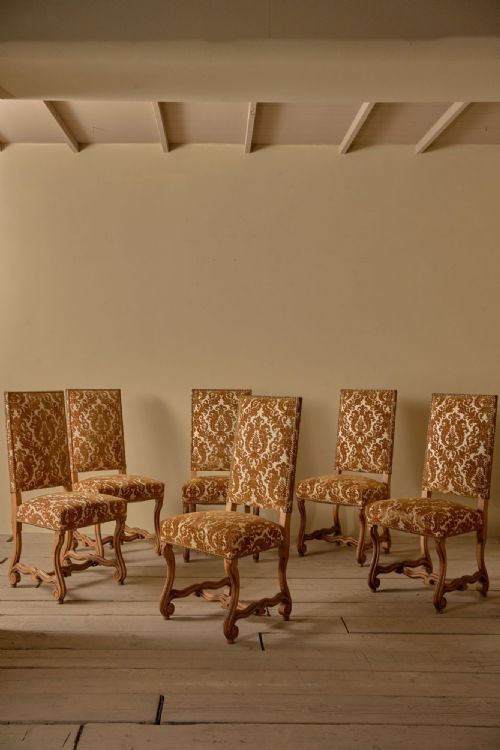
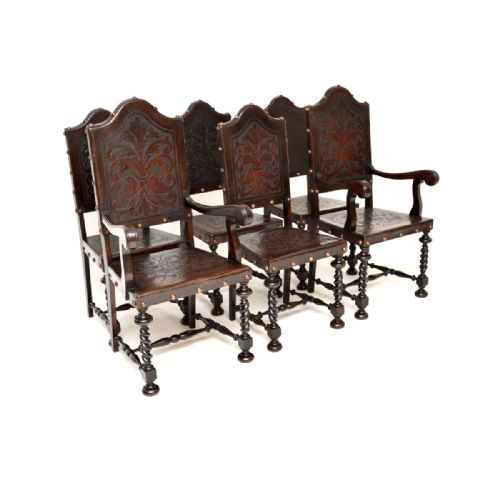
When you search for spanish antique chairs, you encounter seating built from heavy timbers like oak and walnut, frequently paired with embossed or woven leather and wrought ironwork. These pieces span centuries from the eighteenth century through the nineteenth century and into nineteen thirty, incorporating regional forms and revival styles.
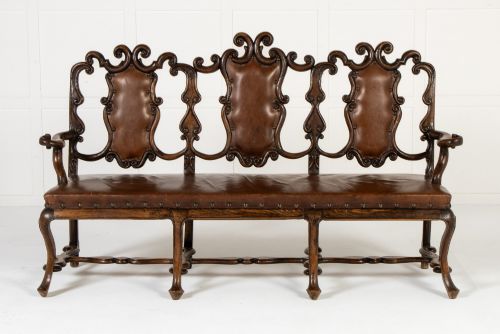
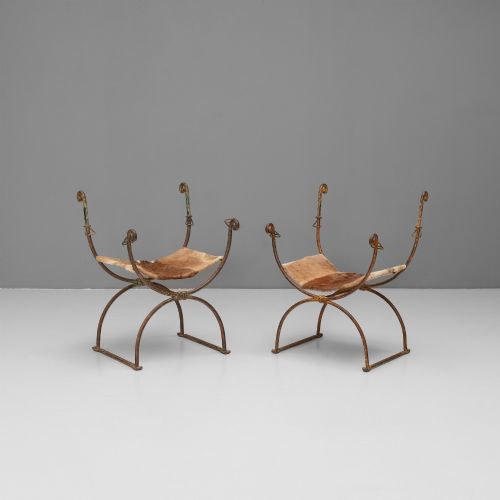
You are most likely to meet dining chairs offered in sets of six or eight alongside pairs of armchairs and side chairs. The selection also includes folding chairs and settees, reflecting traditional craftsmanship from Spain and Portugal.
The aesthetic leans heavily on Spanish Revival, Moorish Revival, and Baroque Revival designs, often featuring bone inlay and velvet upholstery. These seating forms bring tactile weight and historic character to an interior through substantial frames and traditional joinery.
How they were made
Cabinetmakers constructed the primary frames of these chairs using solid oak and walnut, selecting timber for density and structural endurance. Artisans joined these heavy wooden components with traditional framing techniques to support daily use.
Upholstery relied on cowhide and leather, frequently secured with brass studs and decorated with embossed patterns. Ironwork elements incorporated wrought iron for hinges, braces, and decorative mounts, while bone inlay added intricate detail to select surfaces.
Spanish Chairs Retail Price Guide 2026
Typical asking prices for spanish chairs among the pieces listed under this phrase on Sellingantiques today, from the lower quarter to the upper quarter. They describe what is for sale here now, not the wider market.
Some nineteenth-century folding chairs retain enough flexibility in their wooden hinges to still collapse flat after all these years.
What varies in quality
The distinction between standard examples and superior pieces rests in the crispness of the carving and the complexity of the materials. Chairs featuring detailed bone inlay, deeply embossed leather, and dense walnut display a higher level of artisan skill than plainer oak versions.
Condition and originality of the leather and hardware dictate much of the standing of an individual chair or set. Retaining original cowhide, brass studs, and hand-wrought iron components elevates the integrity of the piece above those with replaced elements.
The Spanish Chairs Glossary
- Walnut
- A dense, dark hardwood utilised extensively for framing Spanish antique chairs due to its strength and capacity for detailed carving. It ages to a deep patina over the centuries.
- Bone inlay
- A decorative technique where small pieces of bone are set into the wooden surface to form geometric or floral patterns. This ornamentation appears on regional folding chairs and decorative seating.
- Wrought iron
- Iron shaped by heating and hammering, used for structural bracing and decorative stretchers on heavy chairs. It provides robust support while adding a dark, textural contrast to the timber.
- Baroque Revival
- A nineteenth-century style that mimics the ornate, dramatic forms of the seventeenth-century Baroque period. Pieces in this style feature exaggerated curves, rich upholstery, and sculptural wooden frames.
Spanish Chairs: Frequently Asked Questions
How do I use these chairs in a modern room?
These robust wooden chairs anchor a contemporary dining table or serve as striking accent seating in a study. Their dark timber and leather tones add immediate historical depth to neutral spaces.
Pair a single armchair with a reading lamp or place a set around a plain dining table to contrast old craftsmanship with clean modern architecture.
Are these chairs comfortable for daily seating?
Many of these pieces were built with upright posture in mind, featuring straight wooden backs and taut leather upholstery. They offer firm support rather than deep lounge comfort.
Armchairs and wider side chairs provide adequate support for meals and formal seating, though adding a subtle cushion can alter the seat height and feel.
How do I care for the antique leather?
Old leather requires gentle maintenance to prevent the cowhide from drying out over time. Dust regularly with a dry cloth and apply a specialist leather conditioner sparingly.
Keep these chairs away from direct sunlight and strong heat sources, which can cause the nineteenth-century leather and brass studs to warp or crack.
What is a hip-joint chair?
A hip-joint chair is a folding or X-frame seat design rooted in historic Spanish and Moorish forms. The intersecting wooden legs allow the frame to fold or dismantle easily.
These portable chairs combine structural ingenuity with decorative inlay, making them distinct from standard four-legged dining seats.