







Southwest Persia Rug
A southwest persia rug brings nomadic tribal artistry into the home through expressive geometric patterns woven by regional confederacies.
Southwest Persia Rug
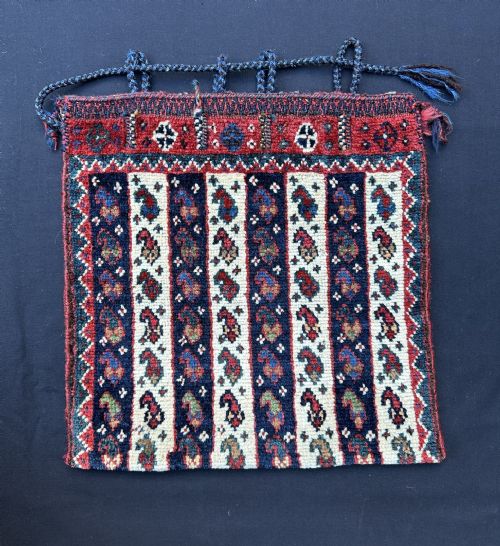
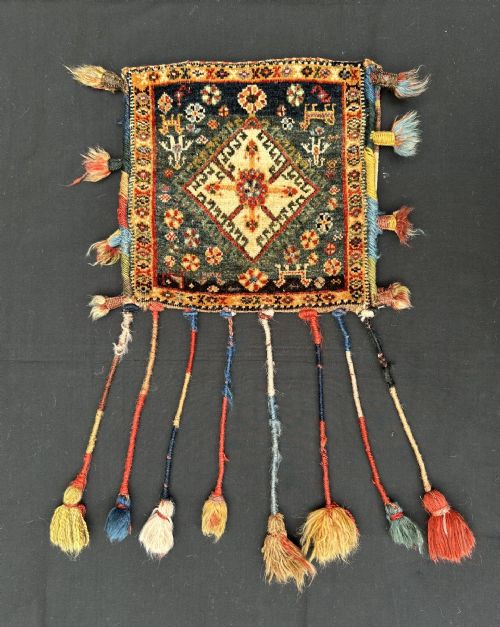
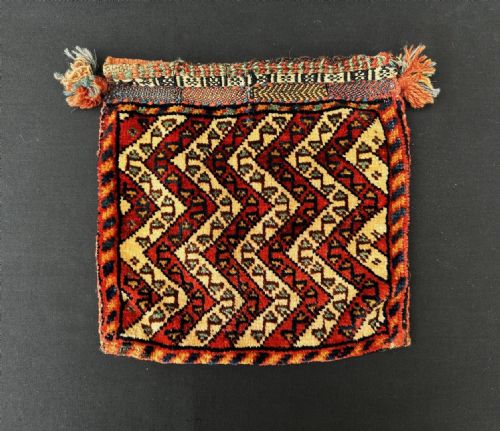
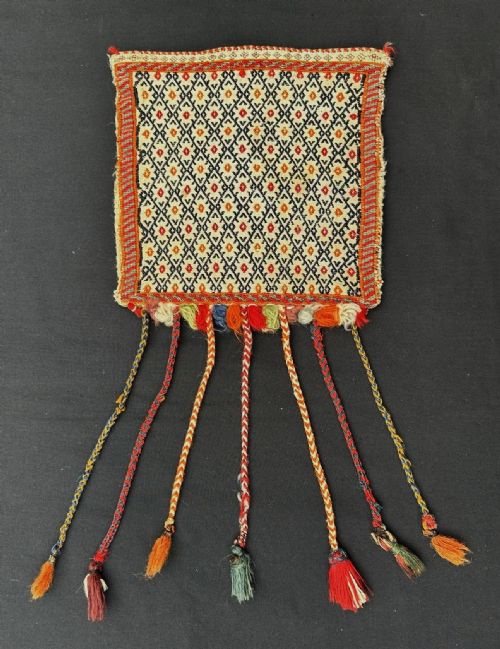
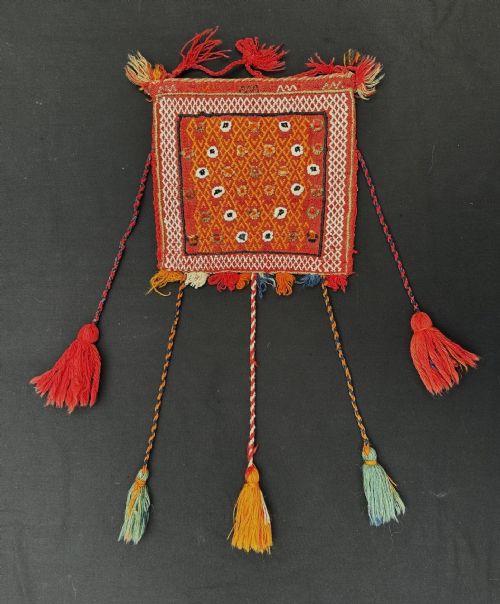
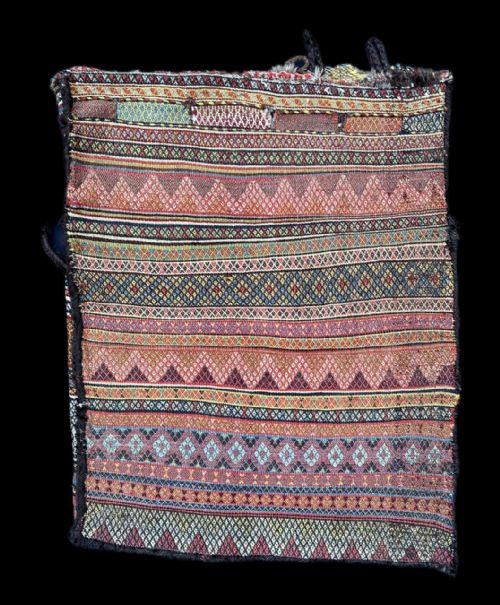
A southwest persia rug encompasses woven textiles created by nomadic and tribal confederacies in the Fars and Kerman provinces. These pieces frequently manifest as utility items, including vanity bags, salt bags, bread sofreh, saddlebags, kilims, and carpets originating from the nineteenth and early twentieth centuries.
The most common formats encountered in this selection are smaller tribal bags and utilitarian textiles alongside larger floor coverings. Pieces are linked directly to confederacies and sub-tribes such as the Qashqa'i, Khamseh, Afshar, and Luri.
Makers utilised traditional tribal motifs rooted in regional identity and nomadic life. Production dates span from the eighteen-seventies through to the nineteen-twenties, reflecting distinct periods of traditional weaving.
Materials and construction
Weavers constructed these textiles primarily using hand-spun wool and cotton foundations dyed with natural colorants. Additional elements occasionally incorporate leather and wood components depending on the specific object type.
Techniques relied on traditional hand-knotting and flatweaving methods passed down through generations of nomadic groups. The combination of hand-spun wool and natural dyes yields deep, variable tones that develop character over time.
Southwest Persia Rug Retail Price Guide 2026
Typical asking prices for southwest persia rug among the pieces listed under this phrase on Sellingantiques today, from the lower quarter to the upper quarter. They describe what is for sale here now, not the wider market.
Several bags were specifically designed to carry water-pipes, proving nomads prioritized comfort on the move.
Evaluating quality and execution
Quality separates through the tightness of the weave, the precision of the tribal geometry, and the depth of the natural dyes. Superior examples display meticulous knot density and well-balanced compositions executed by skilled tribal weavers.
The choice of materials also dictates standing, with hand-spun wool offering superior tactile qualities and resilience compared to standard spun yarns. Provenance linked to specific sub-tribes within confederacies adds contextual depth to individual items.
The Southwest Persia Rug Glossary
- Kilim
- A flatwoven carpet or rug produced without a pile. These pieces rely on warp and weft interweaving to form sharp geometric patterns.
- Sofreh
- A textile spread used for food preparation and serving bread. Afshar nomads wove these utilitarian cloths in specific regional formats.
- Confederacy
- A political and social alliance of several nomadic tribes. Groups such as the Qashqa'i and Khamseh operated as large confederacies in southern Persia.
- Boteh
- A stylised floral motif resembling a curved almond or pear. This symbol appears frequently in traditional Persian tribal rugs and carpets.
Southwest Persia Rug: Frequently Asked Questions
What is a southwest persia rug?
A southwest persia rug is a handwoven textile produced by nomadic confederacies and tribes in the Fars and Kerman regions. These items include floor carpets, kilims, and various utilitarian bags.
Weavers created them for daily domestic use within nomadic camps. Their designs reflect the distinct cultural heritage of groups like the Qashqa'i and Khamseh.
How were tribal bags used?
Tribal bags served practical storage purposes in nomadic households. Items functioned as vanity bags, salt containers, water-pipe holders, and saddlebags for transport.
They were woven to withstand rigorous daily handling while displaying traditional tribal symbols. Many survive today as collectible textile fragments.
How do I date an old rug?
Dating relies on material analysis, structural characteristics, and stylistic conventions. Pieces from the nineteenth century often exhibit specific natural dye palettes and hand-spun wool textures.
Catalogued examples typically date between eighteen-seventy and nineteen-twenty. Examining the specific sub-tribe attribution also helps place the item within a historical window.
How do I care for a textile?
Care involves protecting the wool pile from excessive direct sunlight and moisture. Gentle vacuuming without a rotating brush helps remove embedded dust.
Professional textile cleaning is recommended for heavier maintenance. Proper padding underneath prevents unnecessary friction against hard floors.