



Solid Wood Small Table
A solid wood small table brings genuine character to a room, offering practical surface space without dominating the floor.
Solid Wood Small Table
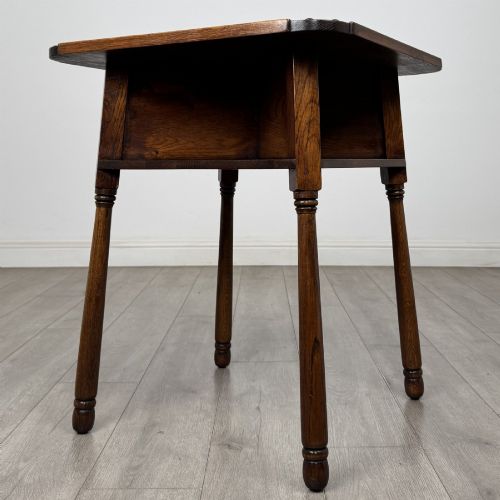
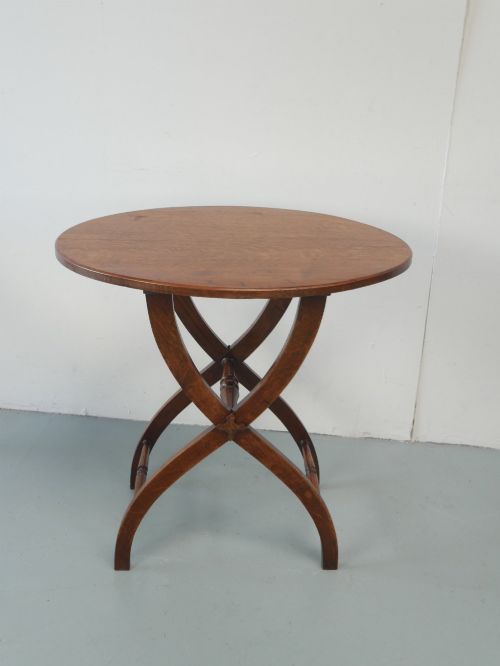
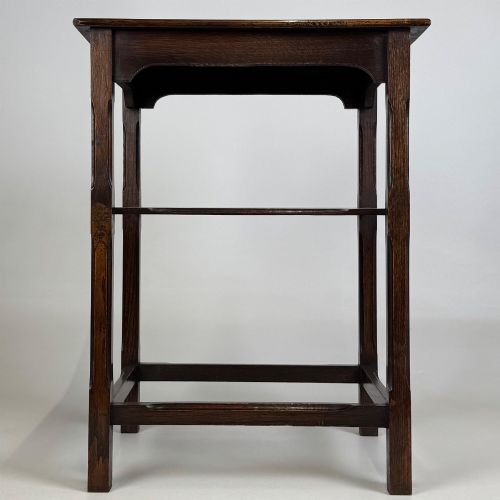
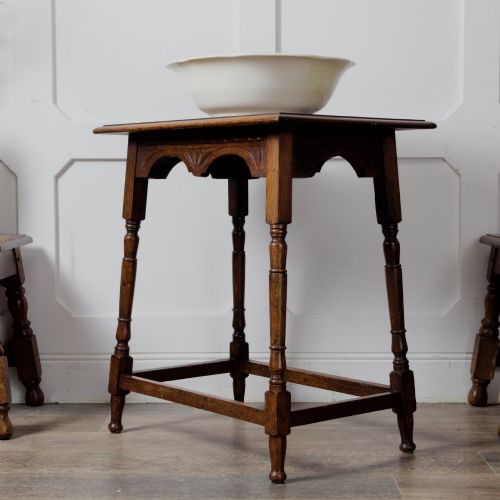
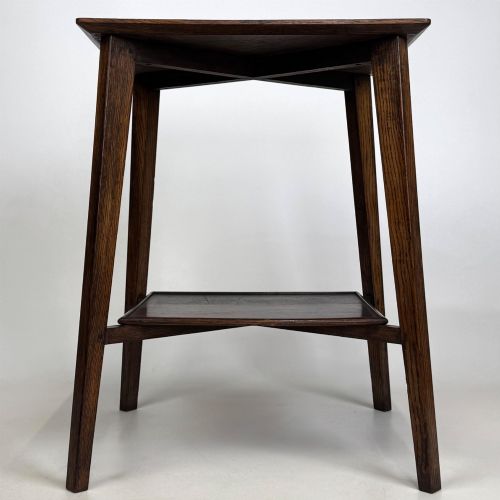
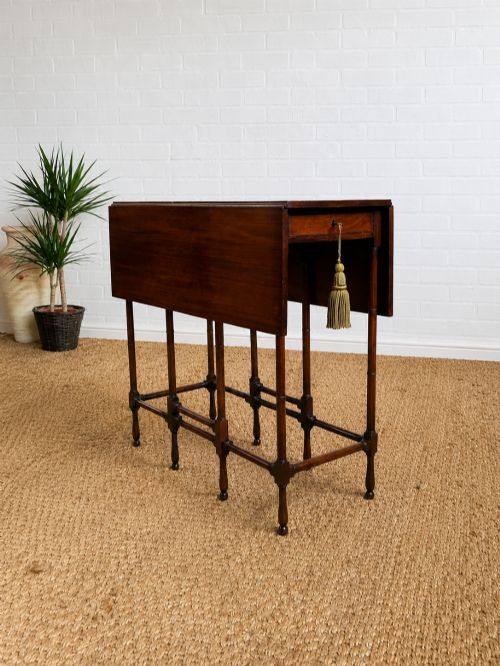
The versions most commonly met on this page include sturdy oak lamp tables and side tables reflecting Arts and Crafts or Edwardian tastes. Buyers will also encounter walnut Sutherland tables, mahogany drop-leaf designs with bamboo-turned legs, and occasional examples in burr elm or ebony.
Materials and construction methods
Construction relies heavily on timbers such as oak, walnut, mahogany, burr elm, and ebony, selected for their durability and grain pattern. Cabinetmakers utilised solid boards for tops and structural frames, employing traditional joinery to ensure stability.
Surface details often incorporate brass hardware, carved ornamentation, and turned elements like bamboo-style legs. These techniques highlight the natural qualities of the wood while providing functional longevity.
Solid Wood Small Table Retail Price Guide 2026
Typical asking prices for solid wood small table among the pieces listed under this phrase on Sellingantiques today, from the lower quarter to the upper quarter. They describe what is for sale here now, not the wider market.
Listings feature items spanning the Georgian, Victorian, and Edwardian eras, executed in oak, walnut, mahogany, elm, and ebony.
Assessing quality in construction
Quality separates pieces by the selection of timber and the precision of the joinery rather than mere age. Superior examples display carefully matched grain patterns in woods like burr walnut or burr elm, alongside crisp carving and well-executed turnery.
Lower tiers of quality manifest in simpler construction details and less distinguished timber selection. The integration of functional elements, such as smoothly operating drawers or drop-leaf hinges, further distinguishes finer examples from utilitarian work.
The Solid Wood Small Table Glossary
- Drop-Leaf Table
- A table with hinged flaps on the sides that can be folded down to save space or raised to increase surface area. This design offers flexibility in smaller rooms.
- Sutherland Table
- A narrow type of drop-leaf table where the flaps comprise a very large proportion of the top. When folded, the table becomes exceptionally slim.
- Tripod Table
- A small occasional table supported by a central pillar resting on three legs. This form gained popularity during the Georgian period.
- Joint Stool
- A sturdy wooden stool constructed using mortise and tenon joints held together by wooden pegs. These pieces often doubled as small low tables in historic interiors.
- Burr Elm
- A figured timber obtained from growths on elm trees, prized for its swirling grain patterns. It adds distinct visual texture to table tops.
Solid Wood Small Table: Frequently Asked Questions
What is a solid wood small table used for?
These compact tables serve multiple domestic purposes, traditionally functioning as lamp stands, bedside supports, or occasional surfaces for holding books and decorative objects in principal rooms.
Because of their modest proportions, they fit easily beside seating or in hallways where larger furniture would obstruct movement.
How do I date an antique small table?
Dating relies on observing the timber species, construction techniques, and stylistic markers such as turned legs or carved decoration. For instance, bamboo-turned legs often point toward the Edwardian era, while tripod bases frequently suggest Georgian origins.
Examining the underside and drawer construction reveals tool marks and joinery methods characteristic of specific periods.
Are these tables suitable for everyday use?
Solid wood construction makes these pieces robust enough for daily domestic service. Timbers like oak and mahogany withstand regular handling and maintain their structural integrity over generations.
Routine care, such as avoiding excessive moisture and direct heat, keeps the surfaces in sound condition.
What styles are available for small wooden tables?
The available inventory reflects several design movements, including Arts and Crafts simplicity, Edwardian practicality, and Victorian elaboration. Pieces range from restrained oak side tables to richly figured burr walnut and mahogany variants.
Revival styles, such as Jacobean interpretations, also appear among the listed items.