
Solid Wood Seating
Solid wood seating brings substantial weight and honest timber into a room, spanning centuries of craft from country elm to formal mahogany.
Solid Wood Seating
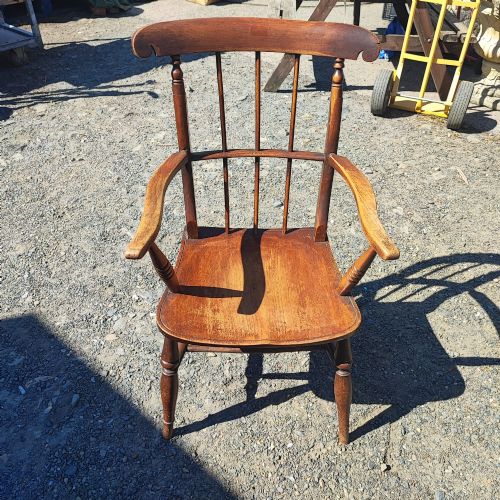
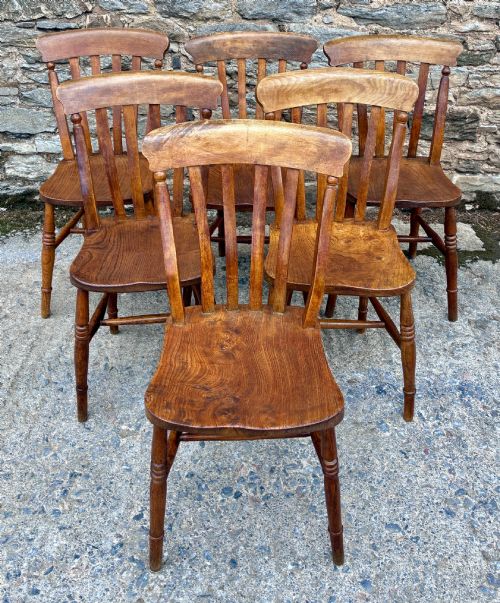
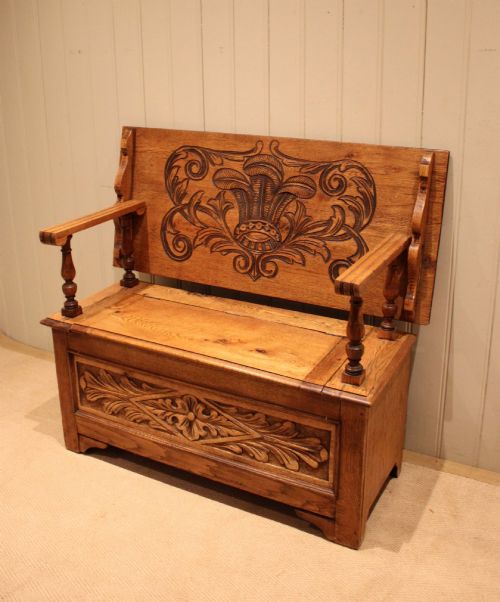
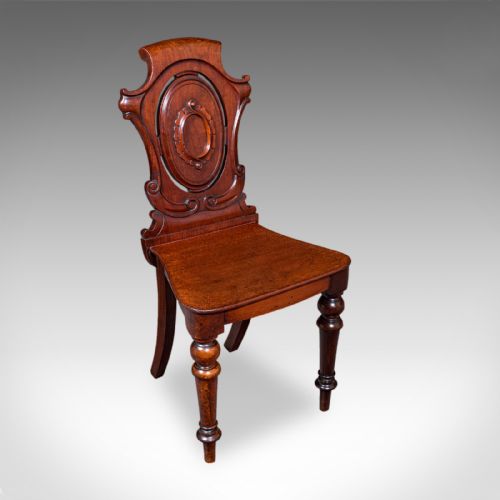
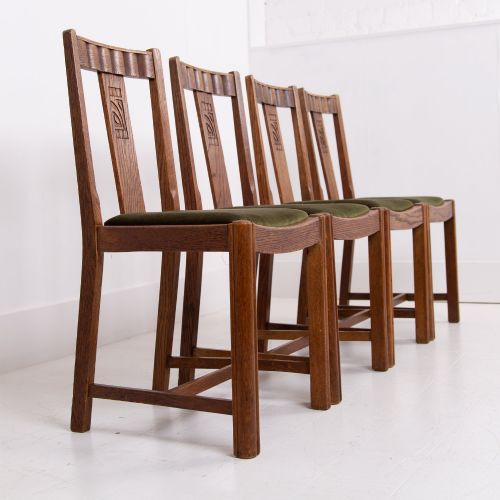
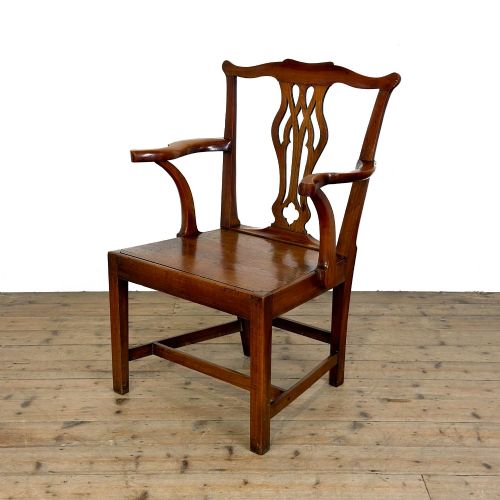
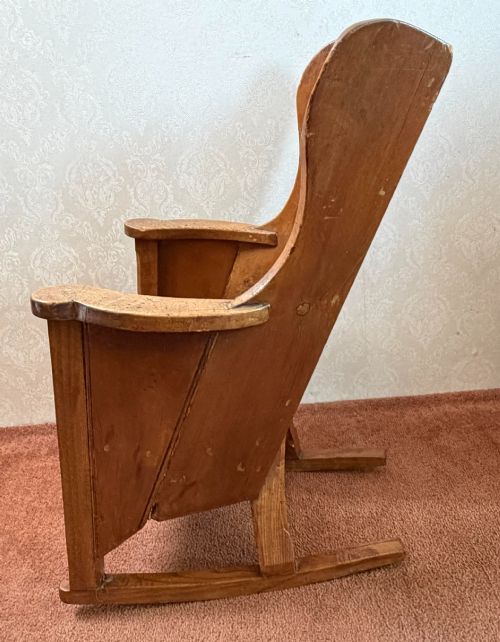
Solid wood seating encompasses a robust range of historic forms designed for practical daily use across domestic and public spaces. Pieces span from formal mahogany hall chairs and dining sets to country Windsor chairs, rustic benches, and heavy oak armchairs.
Buyers browsing this selection frequently encounter Victorian examples alongside Georgian pieces and earlier 17th-century forms. Regional styles such as English country chairs sit alongside Scottish hall seating and continental European pieces.
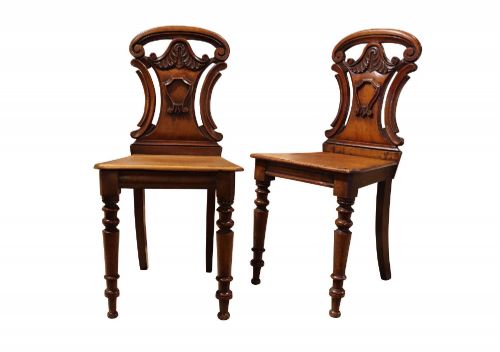
The assortment prioritises unyielding timber construction over veneered alternatives, showcasing functional seating built to endure. Common configurations include single reception seats, matched dining sets, and pairs of decorative hall chairs.
Materials and Construction
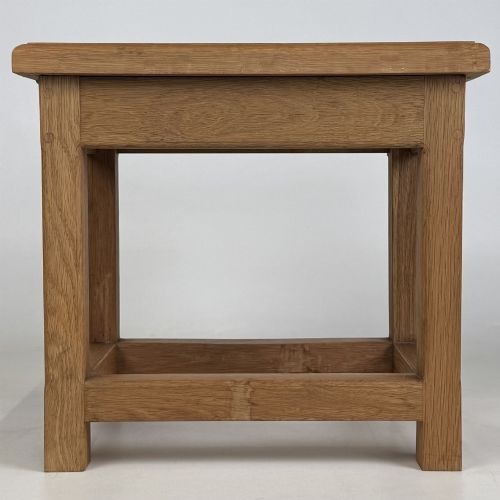
Construction relies heavily on native hardwoods such as oak, elm, ash, and beech, alongside imported timbers including mahogany and walnut. Cabinet makers and rural bodgers joined components using traditional pegged mortise and tenon joints, dovetails, and turned spindles.
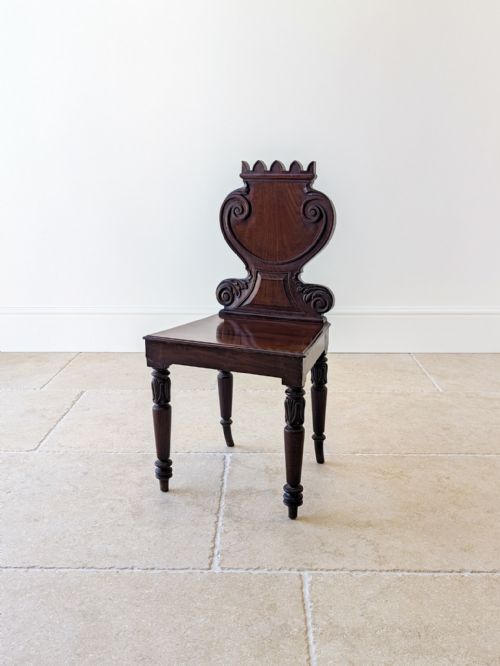
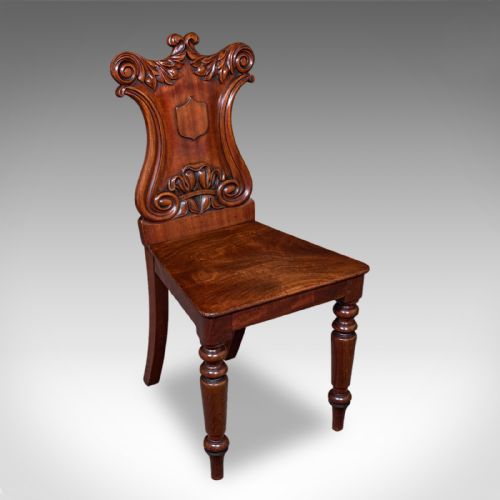
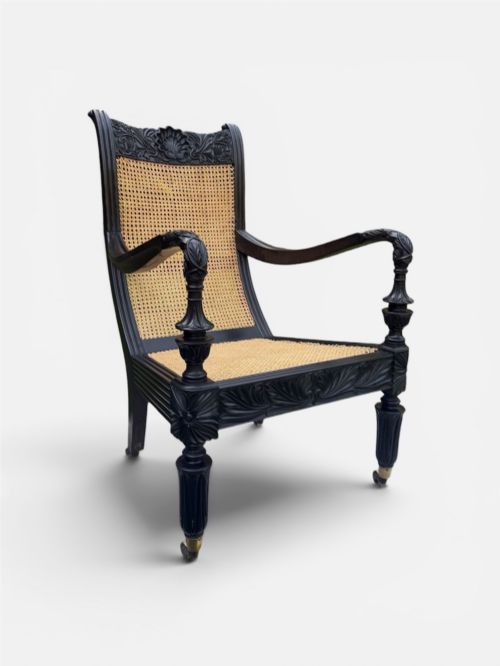
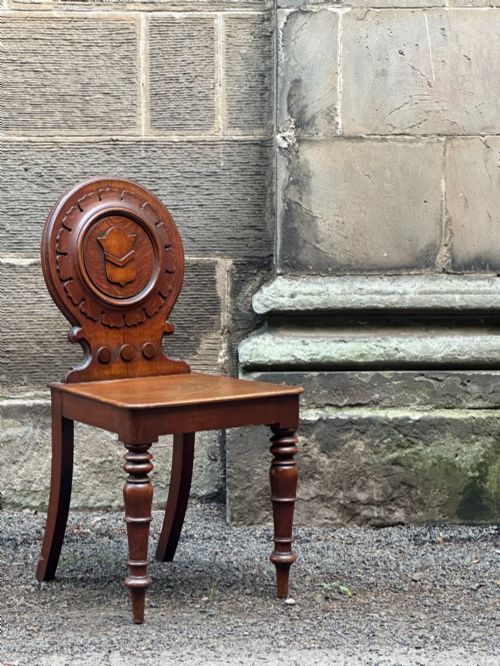
Turning lathes shaped spindle backs and legs, while hand-carving defined decorative shields, splats, and crest rails on formal reception chairs. Surfaces often received wax or polish finishes that enhanced the natural grain of the dense timber without concealing the structural joinery.
Materials recorded across the inventory include dense hardwoods like mahogany, oak, elm, ash, beech, fruitwood, and satinwood.
Judgments of Quality
Quality rests upon the selection of timber and the integrity of the original construction rather than surface ornamentation alone. Dense, figured grain and heavy timber scantlings distinguish superior pieces from lighter, utilitarian equivalents.
The crispness of hand-carving on shield backs and crest rails separates master workshops from provincial copyists. Original timber surfaces retaining honest patina and minimal structural intervention command greater respect than heavily restored or sanded examples.
The Solid Wood Seating Glossary
- Hall chair
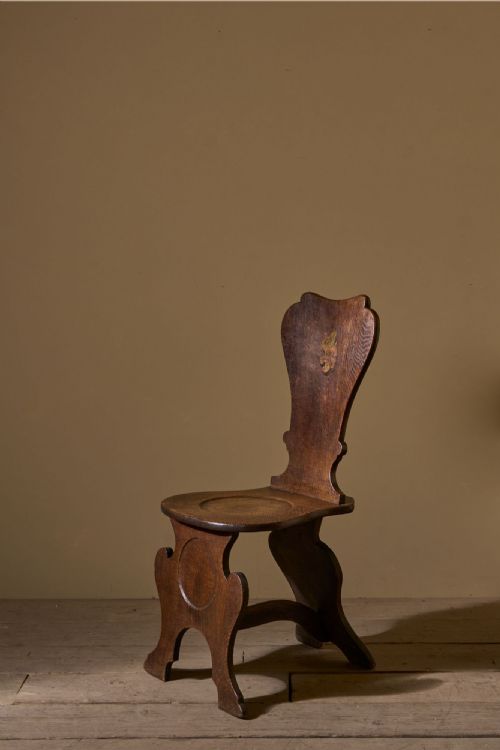
- A rigid wooden seat placed in an entrance hall, usually featuring a solid wooden seat and an elaborately carved or painted back bearing family crests.
- Windsor chair
- A traditional country seat constructed with a solid wooden saddle-shaped seat into which turned legs and spindle backs are wedged directly.
- Wainscot armchair
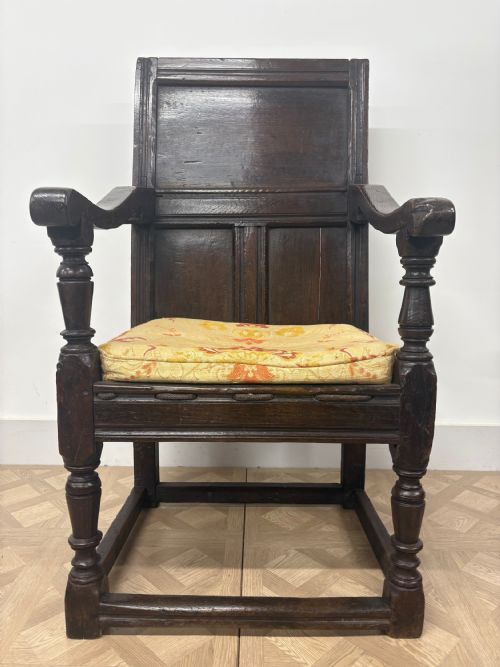
- An early heavy wooden armchair constructed primarily from solid oak with panelled backboards and columnar supports, common in the seventeenth century.
- Shield back
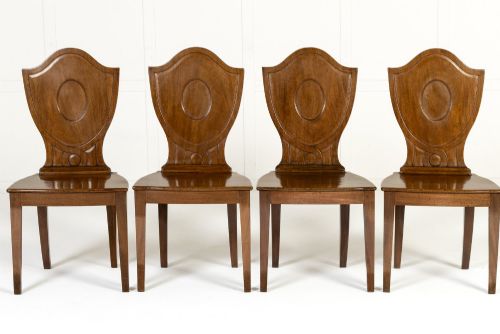
- A chair back design shaped in the outline of a heraldic shield, popularised during the Georgian and Regency periods.
- Lathe back
- A style of chair featuring horizontal or vertical wooden slats shaped on a turning lathe, typical of utilitarian country seating.
Solid Wood Seating: Frequently Asked Questions
How do I date a solid wood chair?
Dating relies upon examining tool marks, timber species, and construction methods characteristic of specific centuries. Hand-cut joinery and signs of early pit-sawing generally point to Georgian or earlier periods.
Later Victorian and Edwardian pieces often display machine-assisted turning and standardised hardware. Comparing the structural wear patterns against known regional styles helps confirm the era of manufacture.
Are these chairs suitable for daily dining?
Many solid wood dining chairs and sets are built structurally sound for regular modern use. Hardwoods like oak, elm, and mahogany provide exceptional strength that withstands daily seating.
Buyers should inspect the rigidity of the leg joints and seat stability before committing to daily dining arrangements. Protective felt pads can be added to feet to prevent wear on modern flooring.
How should I care for antique wooden seating?
Maintaining antique timber requires stable indoor humidity levels away from direct heat sources and strong sunlight. Regular application of a quality beeswax preserves the polish and prevents the wood from drying out.
Avoid using modern silicone polishes that can penetrate the grain and damage historic finishes. Gentle dusting with a soft, dry cloth is sufficient for routine upkeep.