





Solid Wood Pedestal
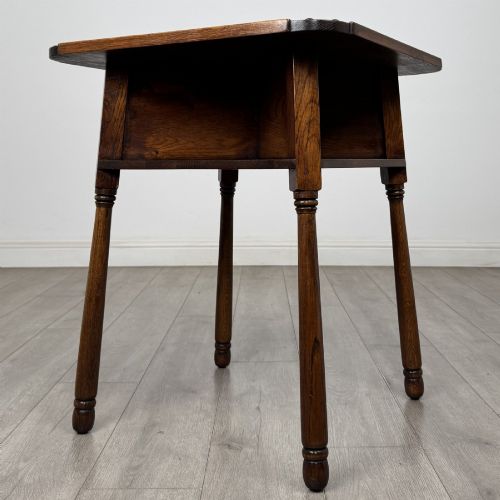
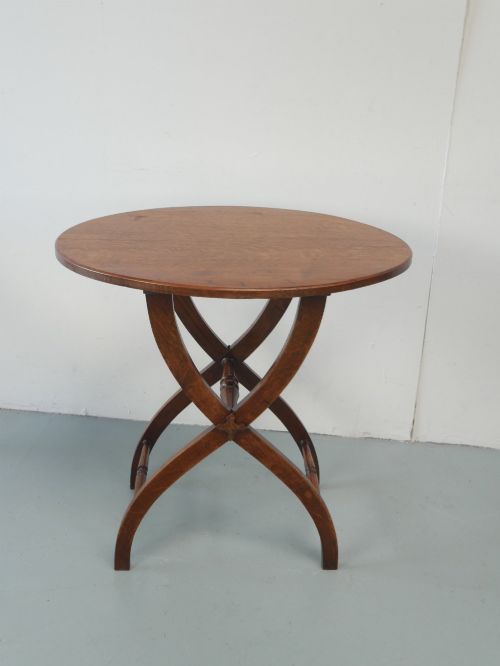
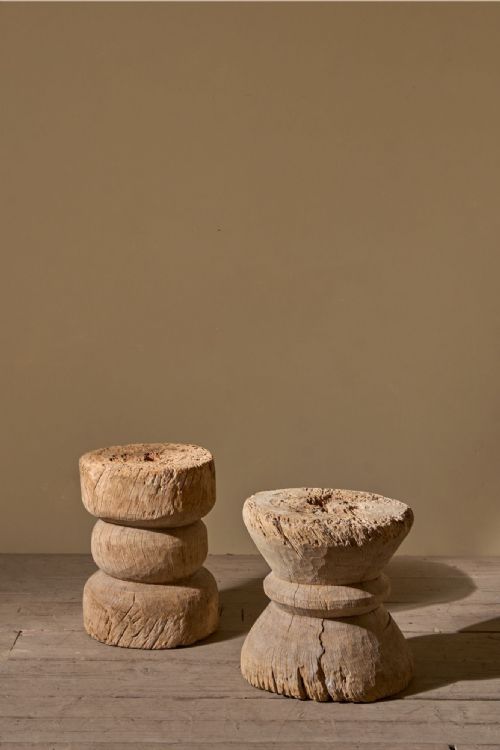
A solid wood pedestal stands ready to elevate a bust or lamp, offering sturdy timber construction shaped across the Georgian, Regency and Victorian periods.
Solid Wood Pedestal
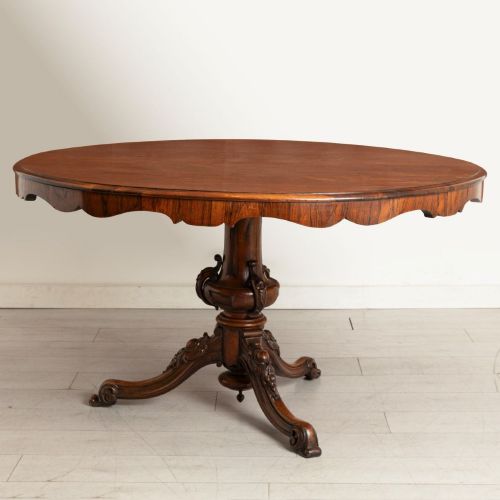
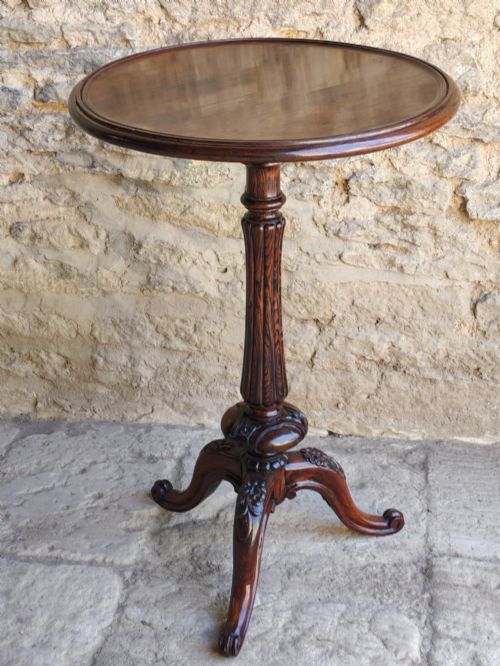
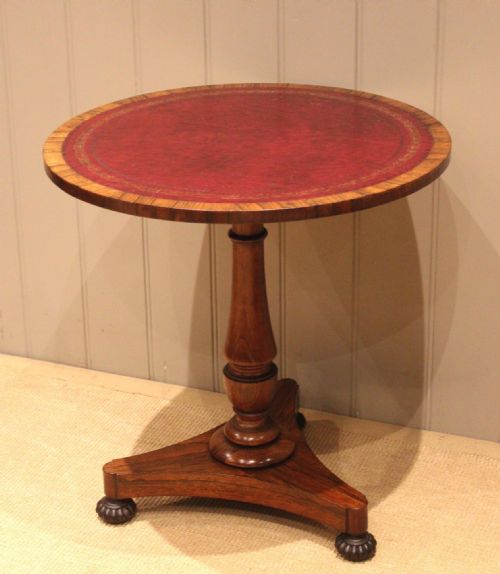
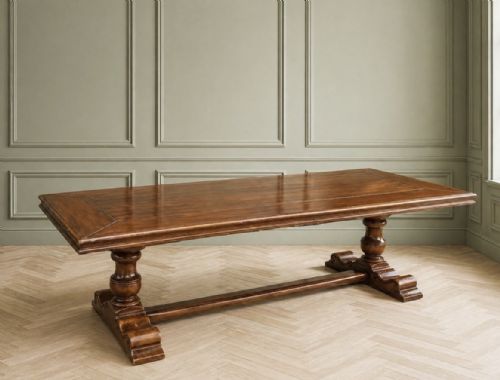
On this page, you are most likely to meet 19th-century and Victorian examples, alongside Regency and Georgian pieces. Forms span from turned mahogany stands and occasional tables to heavy centre tables and tripod designs.
How they were made
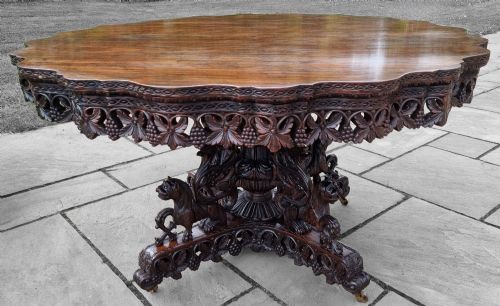
Cabinet makers utilised dense hardwoods such as mahogany, rosewood, oak and padauk, shaping solid timber through turning and carving. Bases often feature sturdy turned columns and tripod supports designed to bear substantial weight.
Surfaces are shaped with folding tops, octagonal cuts or tilt mechanisms, sometimes paired with brass or leather details depending on the period.
Solid Wood Pedestal Retail Price Guide 2026
Typical asking prices for solid wood pedestal among the pieces listed under this phrase on Sellingantiques today, from the lower quarter to the upper quarter. They describe what is for sale here now, not the wider market.
Listings feature timbers such as mahogany, rosewood, oak, padauk and burr elm across the 19th Century, Georgian and Regency periods.
What varies in quality
The distinction between ordinary and superior examples lies in the selection of timber and the crispness of the carving on the solid base. Dense figured woods like burr elm and rosewood indicate finer material choice.
Construction methods determine durability, seen in how firmly a turned pillar joins its tripod or plinth support. Heavier, well-balanced pedestals demonstrate superior structural integrity.
The Solid Wood Pedestal Glossary
- Tripod Table
- A small freestanding table supported by three legs branching from a central pillar. This form allows the top to tilt on many 19th-century examples.
- Plinth
- A heavy solid block or base supporting a column, statue or lamp. It provides a stable architectural foundation.
- Tilt-Top
- A table mechanism allowing the top to pivot vertically for storage against a wall when not in use. It is commonly found on Regency and Victorian dining tables.
- Padauk
- A dense tropical hardwood with a rich reddish hue used in colonial furniture. It offers exceptional weight and durability.
Solid Wood Pedestal: Frequently Asked Questions
What is a solid wood pedestal used for?
These pieces serve as sturdy stands for lamps, vases, busts or decorative objects, elevating them to eye level within a room.
They also function as compact occasional tables, tea tables or writing desks depending on the specific top construction.
How do I date a pedestal table?
Dating relies on observing the timber species, turning styles and structural joints characteristic of periods like the Georgian, Regency and Victorian eras.
Heavier rosewood and mahogany pieces often align with the 19th century, while simpler oak versions point towards 1900.
Are these pieces made entirely of solid timber?
The listings comprise solid woods including mahogany, rosewood, oak, padauk, burr elm and ash.
Makers utilised dense timbers throughout the structure to ensure natural weight and lasting durability.
How do I care for a solid wood pedestal?
Keep the timber away from direct heat sources and strong sunlight to prevent the solid wood from drying out or splitting.
Regular dusting with a dry cloth maintains the finish without requiring heavy polishes.