



Solid Wood Furniture
Solid wood furniture brings centuries of honest timber craft, from sturdy oak refectory tables to elegant mahogany hall chairs, into modern spaces.
Solid Wood Furniture
Solid wood furniture encompasses substantial functional pieces shaped from native and exotic timbers across the seventeenth, eighteenth, nineteenth, and twentieth centuries. Buyers seeking these items encounter a broad selection of seating, storage, and tables reflecting distinct historical periods.
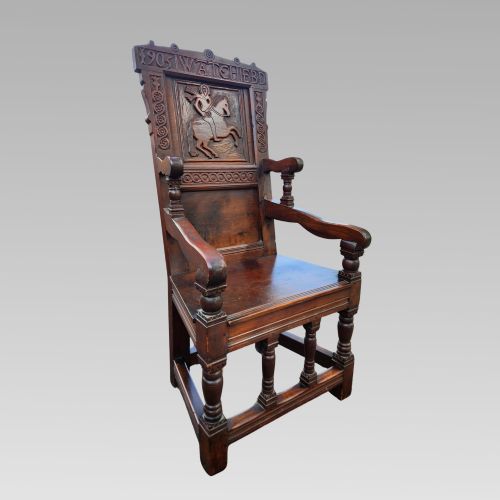
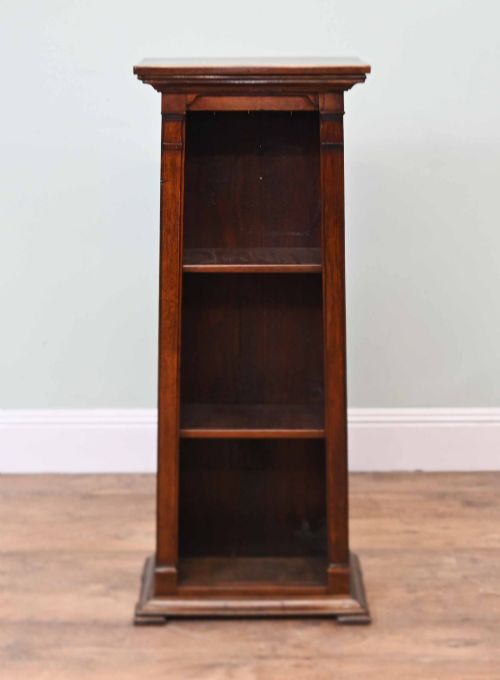
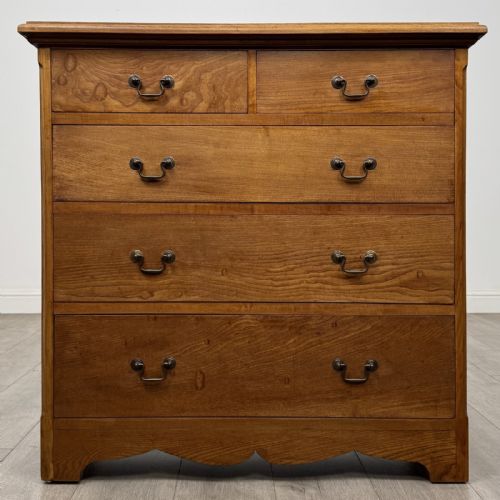
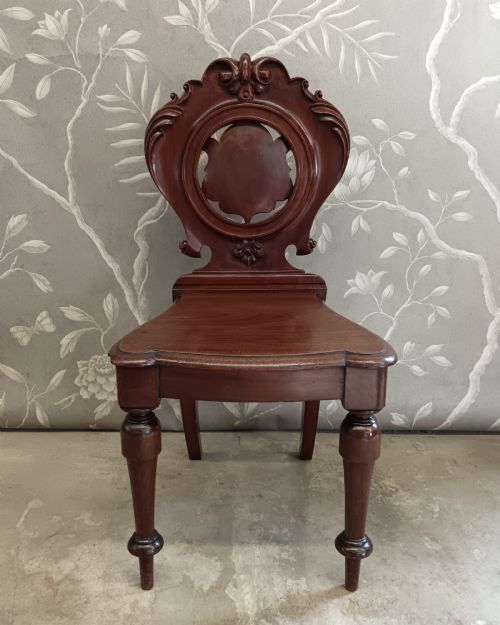
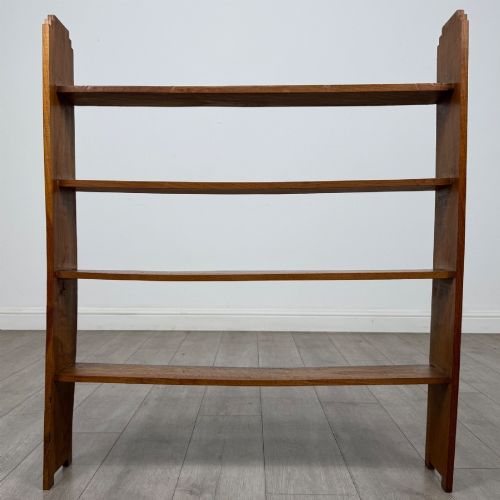
The pieces appearing most frequently range from Victorian mahogany hall chairs and Edwardian oak bookcases to seventeenth-century wainscot armchairs and eighteenth-century chests of drawers. Each item demonstrates the structural integrity inherent in unveneered construction.
Regional variations span English country elm chairs, Dutch colonial satinwood bombe chests, and Anglo-Chinese camphor wood military pieces. This diversity allows collectors to source items fitting specific historical aesthetics and spatial requirements.
Materials and construction methods
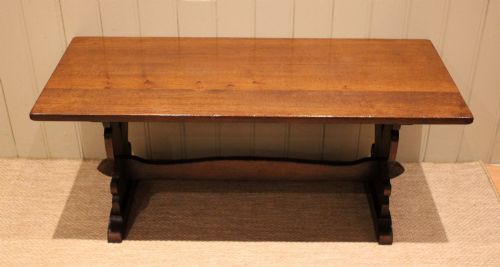
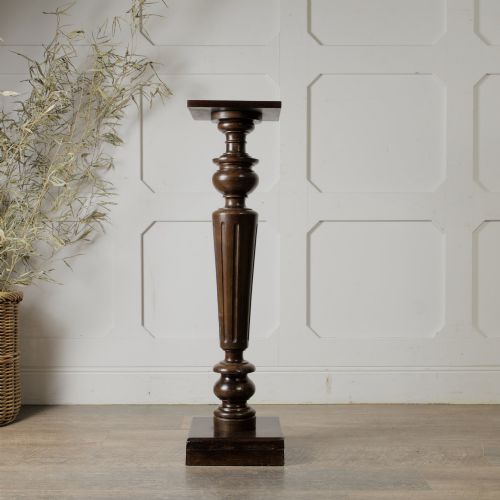
Craftsmen utilised dense hardwoods such as oak, mahogany, walnut, ash, elm, and fruitwood to build durable items designed for daily use. Timber selection depended on regional availability and the specific structural demands of the object, whether a heavy dining table or a turned plinth.
Joinery methods relied on traditional techniques that accommodated natural wood movement without synthetic adhesives. Brass hardware, including bindings and handles, frequently reinforced military chests and heavy storage trunks.
Surface finishes developed through application of wax and polish, preserving the natural grain and deep patinas of woods like Spanish walnut and Brazilian rosewood over centuries of handling.
Solid Wood Furniture Retail Price Guide 2026
Typical asking prices for solid wood furniture among the pieces listed under this phrase on Sellingantiques today, from the lower quarter to the upper quarter. They describe what is for sale here now, not the wider market.
An art deco seating pair shaped as elephants proves that nineteenth-century seriousness occasionally gave way to sculptural whimsy.
Assessing quality in timber pieces
Quality rests in the selection of the timber board, particularly the choice of single-plank surfaces or figured mahogany and walnut veneers where applicable. Grain alignment and the absence of structural compromise dictate the durability of tables and bookcases.
Carving depth and execution reveal the hand of the maker, distinguishing standard production items from bespoke pieces commissioned for country houses or estate sales. Detail in armorial painted backs or turned elements elevates the standing of chairs and stands.
Originality of surface finish and hardware preserves historical integrity. Pieces retaining their early patinas and original brass-bound mounts command greater interest than those stripped or heavily restored.
Leonard Wyburd for Liberty and Co·Strahan and Co
The Solid Wood Furniture Glossary
- Wainscot armchair
- A heavy seventeenth-century wooden armchair constructed with panelled backboards and turned supports. These items represent early vernacular seating traditions.
- Military chest
- A two-part storage chest fitted with recessed brass handles and corner brackets for transport by officers. They are typically fashioned from camphor wood or mahogany.
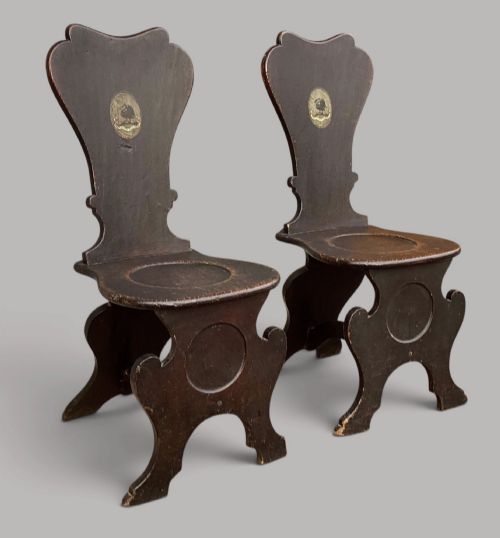
- Scabello chair
- An Italian-derived hall chair featuring a flat wooden seat supported by solid panel legs rather than standard vertical posts. Examples often display armorial painted backs.
- Raised gallery
- A low wooden upstand attached to the back or sides of a chest of drawers or desk top to prevent items from sliding off. This feature appears on twentieth-century ash pieces.
- Bombe
- A swelling, convex curved profile shaping the front and sides of eighteenth-century storage furniture such as chests of drawers and bureaus.
Solid Wood Furniture: Frequently Asked Questions
What defines solid wood furniture?
Solid wood furniture consists of pieces built entirely from natural timber planks rather than manufactured board or secondary cores covered with decorative veneers. This method ensures that every visible surface shares the same grain and material composition.
Items constructed in this manner maintain structural strength and allow for centuries of maintenance, refinishing, and patina development through natural ageing.
How should I care for antique timber?
Antique timber requires stable indoor humidity levels and protection from direct sunlight to prevent wood shrinkage, splitting, or fading of the natural polish. Maintaining consistent environmental conditions preserves the structural integrity of joints and glue.
Routine maintenance involves dusting with a dry cloth and applying natural beeswax sparingly to nourish the grain without building up heavy residue.
How do I identify seventeenth-century oak?
Seventeenth-century oak pieces display distinct medullary rays, visible as light-reflecting flecks across the quarter-sawn timber grain. Construction typically relies on pegged mortise and tenon joints rather than modern metal fasteners.
Surface patinas on pieces from this era exhibit deep, dark tones developed through centuries of oxidation, handling, and wax application.
Where were military chests used?
Military chests travelled with British officers on campaign during the nineteenth century, serving as portable wardrobes and desk space. Their two-part modular construction facilitated transport on horseback or by ship.
Brass bindings and recessed handles protected vulnerable corners and drawers from the rigours of transit during overseas deployment.