

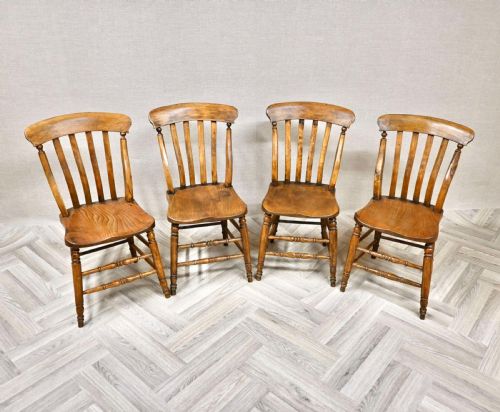


Solid Wood Dining Set
A solid wood dining set anchors a room with authentic weight and honest timber grain built to last generations.
Solid Wood Dining Set
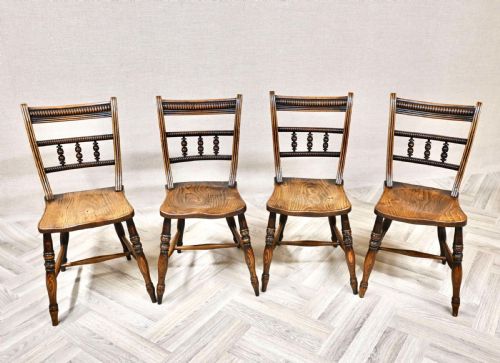
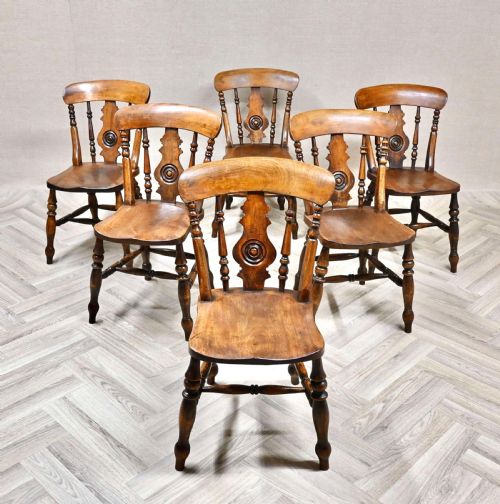
A solid wood dining set brings together matching groups of seating and tables fashioned entirely from robust native and exotic timbers. When you search for a solid wood dining set, you encounter matched and assembled groupings designed for daily gathering and formal entertaining alike.
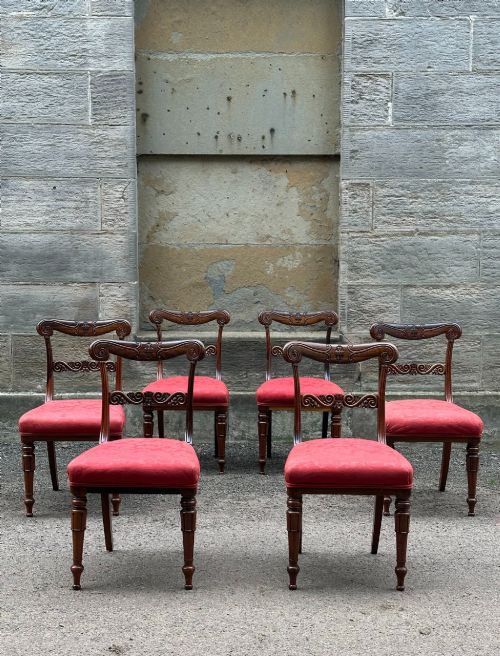
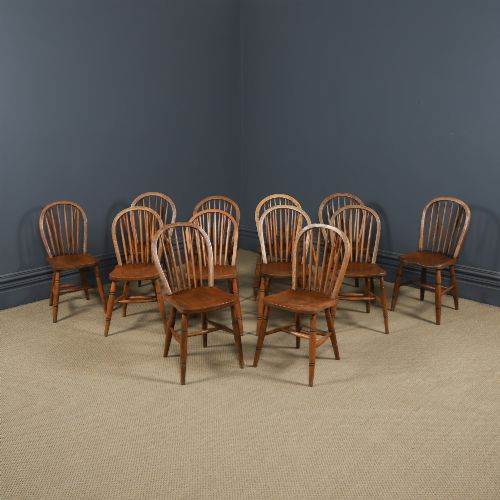
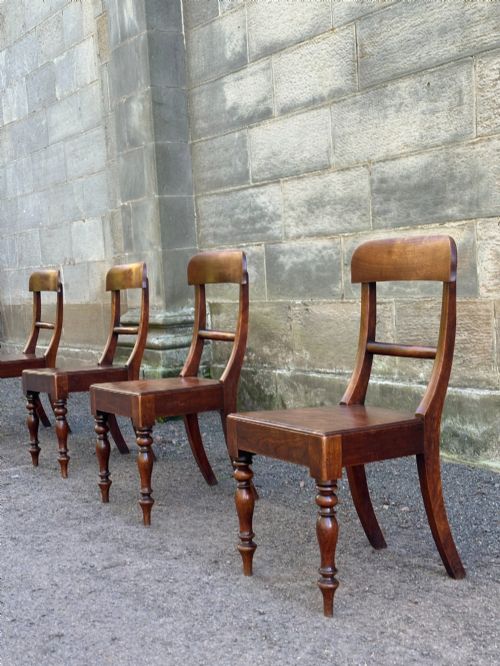
The selections span distinct historical periods from the 19th Century through the Edwardian era, encompassing robust English vernacular traditions and refined Regency designs. You find configurations ranging from intimate sets of four chairs up to extensive arrangements of twelve or more seats.
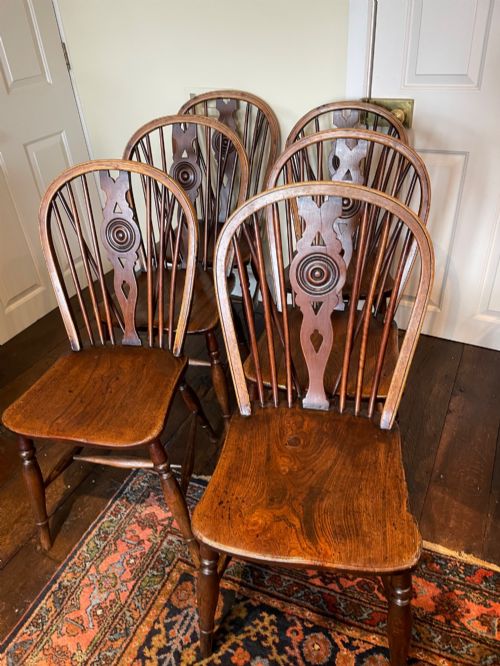
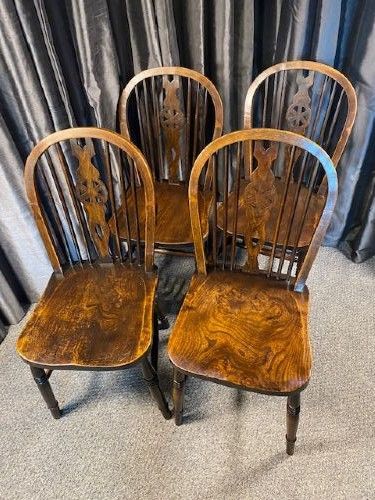
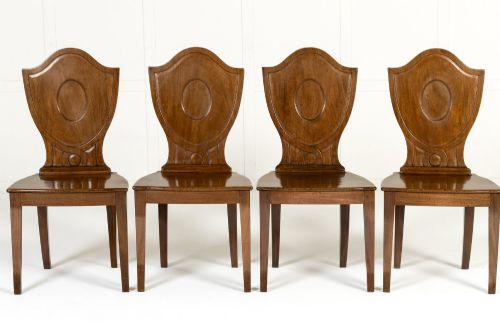
Most examples originate from country workshops and urban cabinet makers, showing regional variations like wheel backs, Windsor forms, and formal hall chairs. These gatherings of chairs and tables preserve the honest utility of British dining history for modern interiors.
Timbers and construction methods
Cabinet makers and country joiners relied on strong indigenous hardwoods like elm, ash, beech, and oak for structural integrity and resilience. Rosewood and mahogany were reserved for formal sets, whilst birch and alder appeared in regional country workshop productions.
Makers utilised traditional joinery techniques such as turned spindles, steam-bent hoops, and pegged mortise and tenon joints to withstand heavy daily use. Surfaces received hand-applied finishes that allowed the natural grain patterns of the timber to show through clearly.
Solid Wood Dining Set Retail Price Guide 2026
Typical asking prices for solid wood dining set among the pieces listed under this phrase on Sellingantiques today, from the lower quarter to the upper quarter. They describe what is for sale here now, not the wider market.
Distinctions in construction and design
The distinction between ordinary and superior sets lies in the selection of timber figures and the harmony of the matched groupings. Cohesive turning, uniform patination across all pieces, and crisp hand-carving elevate certain suites above standard utility furniture.
Finer sets demonstrate meticulous attention to structural joinery where legs, stretchers, and back splats meet with absolute rigidity. The integrity of the original timber surfaces without excessive sanding distinguishes the most desirable survivals.
Gillows·H. Samuel
The Solid Wood Dining Set Glossary
- Windsor chair
- A wooden chair featuring a solid timber seat into which the legs and back spars are directly inserted. This construction style became a staple of English country furniture production throughout the nineteenth century.
- Wheel back
- A chair back design incorporating a pierced wooden splat carved in the shape of a spoked cartwheel. It is frequently encountered on nineteenth century elm and ash kitchen dining chairs.
- Hall chair
- A rigid wooden seat, often with a solid timber or carved oval back, designed primarily for hallways rather than long dining sessions. These pieces frequently display heraldic painting or crisp architectural carving.
- Vernacular
- Furniture made by local craftsmen using regional traditions and readily available native timbers rather than following strict metropolitan design patterns. These pieces prioritise practical utility and honest construction.
- Comb back
- A Windsor chair variation where the central vertical spindles extend upward to support a horizontal top rail resembling the teeth of a comb. This sturdy form provided robust support in farmhouse settings.
Solid Wood Dining Set: Frequently Asked Questions
Can I mix chairs with an antique table?
Mixing different chairs with a period table is an established tradition that creates a layered, collected interior appearance. Ensure the seat heights align comfortably with the underside of the table apron for practical dining.
Matching timber tones or shared regional characteristics will help disparate pieces feel unified within the setting. Many historical sets were assembled over time rather than purchased all at once.
How do I date a wooden dining set?
Examine the tool marks, construction joints, and wear patterns on the underside of the seats and table frames. Hand-sawn boards, pegged joinery, and the specific turning style of the legs usually point toward particular nineteenth century decades.
Compare the silhouette against documented regional forms such as Edinburgh pattern side chairs or Windsor stick backs. Subtle shifts in backrest geometry often reveal whether a set belongs to the Regency era or the later Victorian period.
Are these sets suitable for everyday use?
Solid wood furniture from the nineteenth and early twentieth centuries was engineered for robust, practical utility in busy farmhouses and homes. The durable construction of ash, elm, and oak makes them well-equipped for modern family dining.
Regularly check and tighten any stretcher joints to maintain structural stability under daily use. With sensible care, these historic tables and chairs will continue to serve through generations of gatherings.