




Solid Wood Bench
A solid wood bench brings enduring utility and historic character to an interior, offering practical seating shaped from substantial timber.
Solid Wood Bench
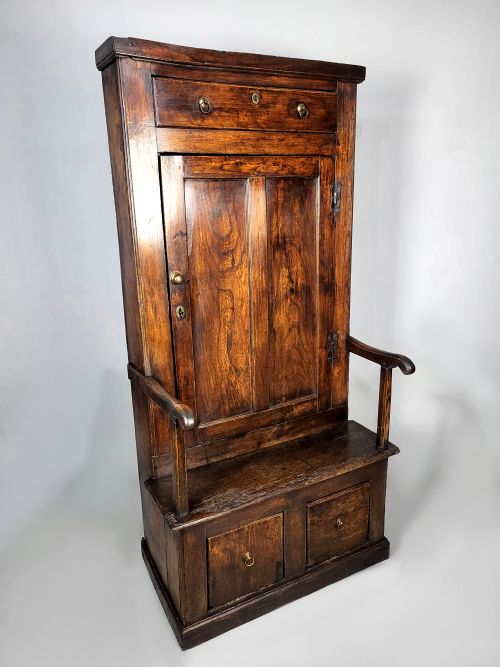
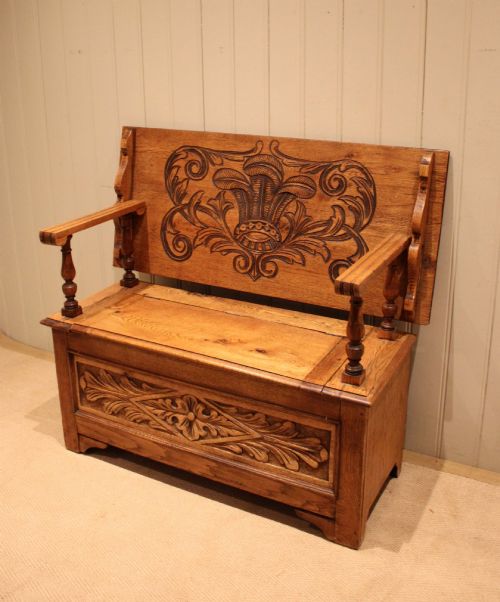
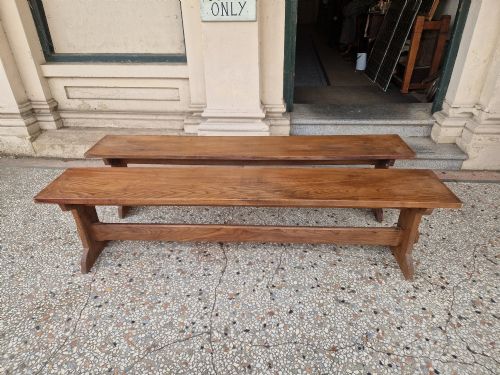
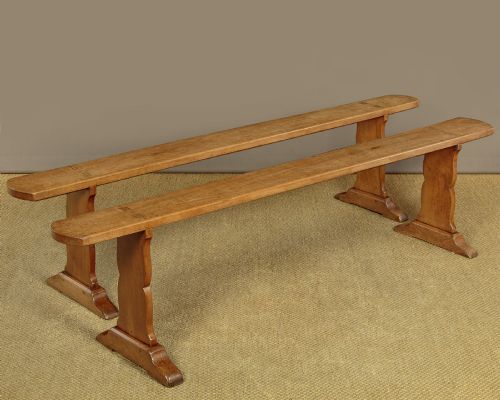
A solid wood bench spans robust oak monk forms, carved panel settle seats and French cherrywood designs from the nineteenth century onwards. These pieces serve functional purposes in hallways and living spaces alike, utilising durable timbers suited to daily use.
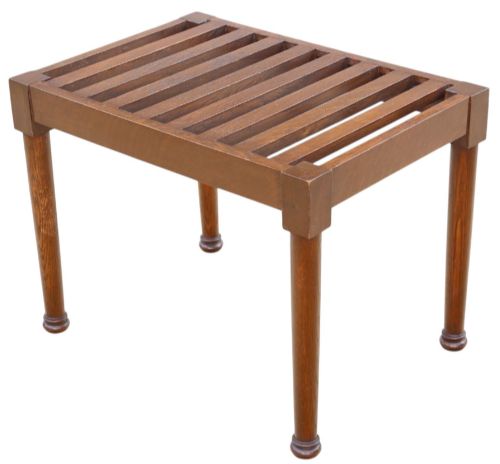
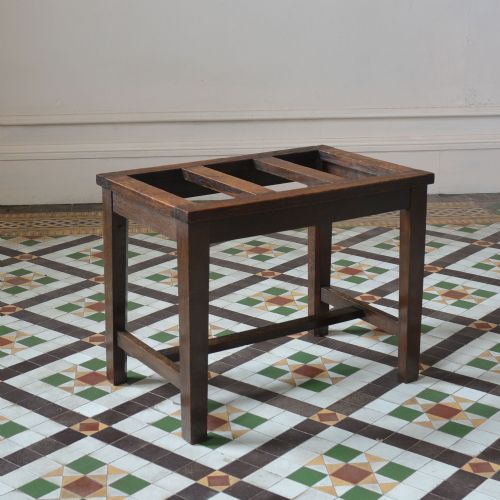
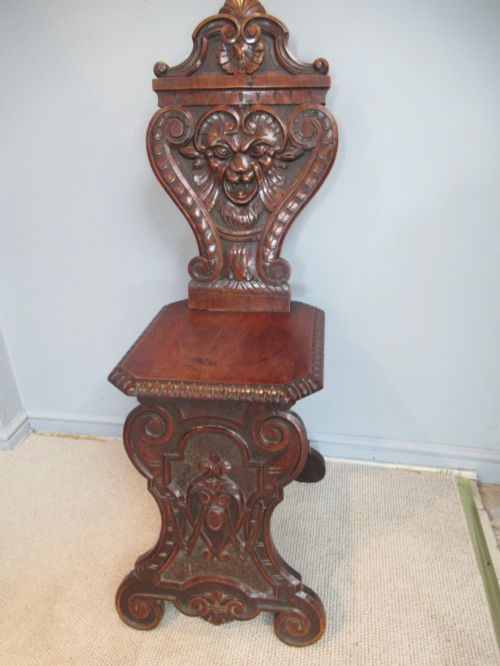
The selections available here range from Edwardian oak luggage racks and Victorian ash stands to rustic farmhouse benches and carved walnut hall seats. Buyers most frequently encounter sturdy oak and mahogany constructions originating from the Victorian and Edwardian periods.
Materials and construction
Construction relies heavily on dense hardwoods such as oak, mahogany, walnut, teak and cherrywood, chosen for their structural strength and rich grain patterns. Artisans shaped these heavy timbers using traditional joinery techniques, frequently incorporating carved panels and sturdy supports.
Surfaces demonstrate the natural qualities of the wood, sometimes enhanced with hand carving or simple finishes that highlight the grain. The integration of solid timber throughout ensures lasting stability across diverse forms from luggage stands to high back settle seats.
Solid Wood Bench Retail Price Guide 2026
Typical asking prices for solid wood bench among the pieces listed under this phrase on Sellingantiques today, from the lower quarter to the upper quarter. They describe what is for sale here now, not the wider market.
Distinctions in quality
Quality rests in the selection of the timber and the crispness of any hand carving present on the panels or framework. Superior examples display thoughtful proportions and substantial construction that resists the test of time.
The integration of decorative elements, such as green man carvings or detailed Jacobean revival motifs, distinguishes finer artisan work from simpler utility pieces. Attention to joinery and the preservation of the original wood surface further elevate the standing of a piece.
The Solid Wood Bench Glossary
- Settle
- A wooden bench with a high back, solid arms, and often a storage compartment beneath the seat. This form provided protection from draughts in older interiors.
- Luggage stand
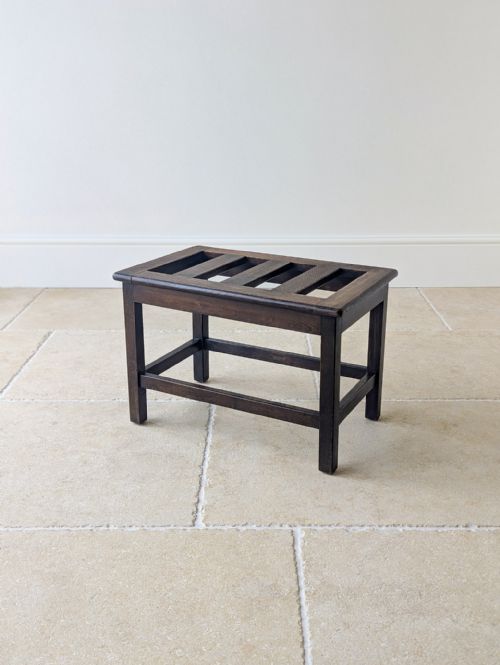
- A low wooden rack designed to hold travel bags, typically featuring folding or fixed legs with webbing straps. These items double as compact benches or occasional stands.
- Hardwood
- Timber derived from broad-leaved trees such as oak, mahogany, walnut and ash. These dense woods provide the structural integrity required for durable seating.
Solid Wood Bench: Frequently Asked Questions
Where should I place a solid wood bench?
These pieces suit entrance halls, boot rooms, or living spaces where durable seating is required. Their substantial presence anchors a room while providing practical utility.
Smaller luggage stands and benches adapt easily to narrow corridors or bedroom spaces as versatile furniture items.
How do I identify a Victorian bench?
Victorian examples often utilise dense hardwoods like mahogany, ash or oak with dark finishes and substantial proportions. Stylistic cues include carved ornamentation reflecting nineteenth-century revivals.
Construction methods from this era involve solid timber framing and traditional joinery without modern fasteners.
Are these benches suitable for daily use?
Solid hardwood construction ensures these pieces are built to withstand everyday sitting and heavy handling. Their robust frames offer reliable stability over generations of use.
Routine care involves maintaining the wood finish to protect the timber from moisture and wear.
What timber types are most common?
Oak and mahogany appear frequently across nineteenth-century and early twentieth-century listings. Walnut, teak, cherrywood and ash also feature in various regional and stylistic interpretations.
Each wood species imparts a distinct colour and grain pattern that defines the visual character of the bench.