





Solid Silver Soup Spoons
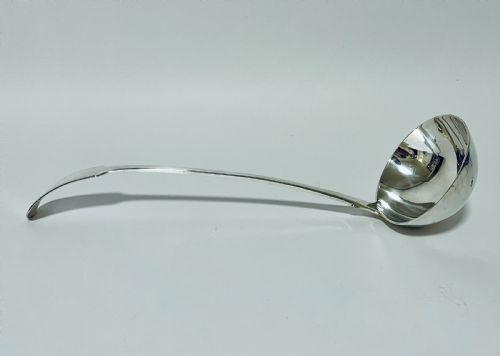
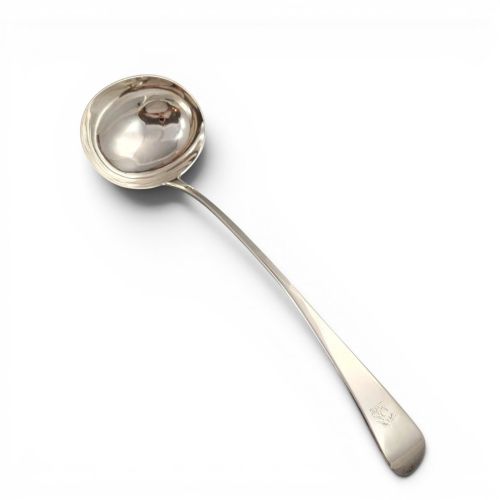
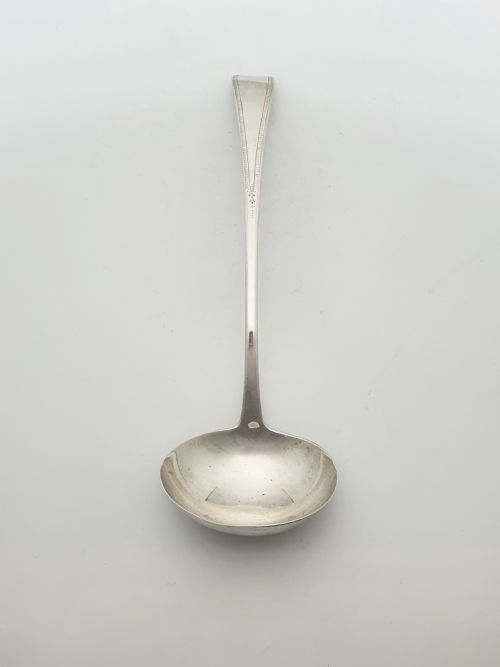
Solid silver soup spoons bring substantial Georgian and Victorian weight and classic Old English and Queen's patterns directly to the table.
Solid Silver Soup Spoons
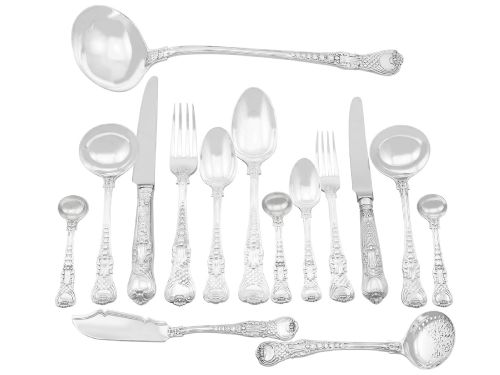
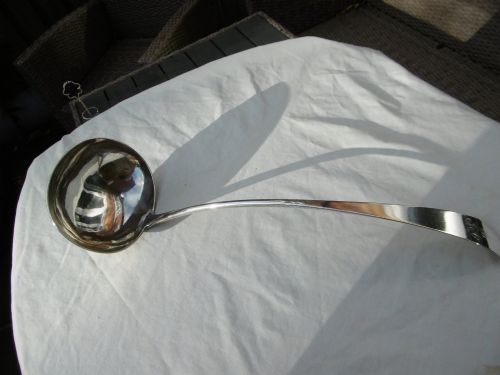
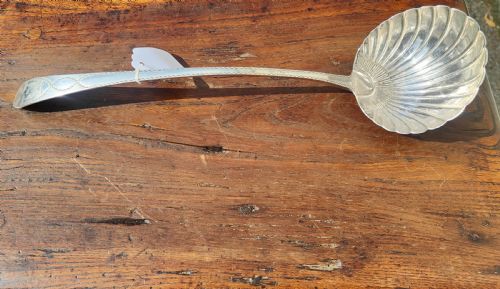
When you search for solid silver soup spoons, you encounter substantial serving utensils, ladles, and flatware spanning the Georgian, Victorian, and Edwardian periods. The selection encompasses heavy Glasgow and London pieces alongside Irish silver examples and continental designs.
Materials and construction
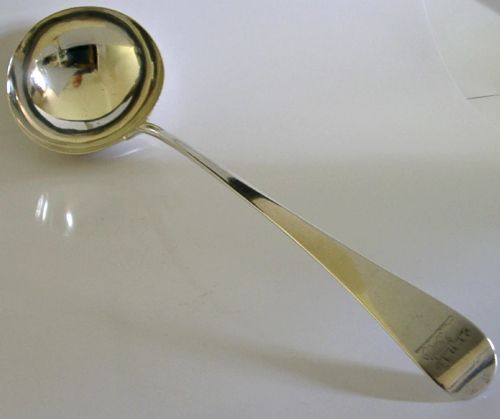
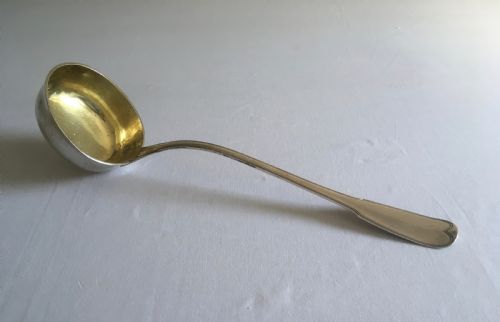
These pieces are fashioned primarily from solid sterling silver, with certain examples enhanced by an internal gold wash to the bowl. Silversmiths employed traditional hammering and casting techniques to achieve heavy gauges of metal capable of withstanding daily dining use.
Decorative elements such as threaded borders and crested handles were applied by hand during manufacture. The construction relies on durable joints and sturdy stems designed to balance the generous weight of the deep bowls.
Early silversmiths occasionally added a gold wash inside the bowl to ensure the vinegar in your turtle soup did not taste quite so much like the mine.
Judging quality and craftsmanship
The distinction between standard items and superior pieces rests on the weight of the silver and the crispness of the pattern work. Heavier gauges provide better balance and resistance to bending during service.
Makers with established reputations demonstrate greater precision in hallmarks, handle detailing, and bowl shaping. Pieces retaining sharp relief on crested engravings and clean lines on threaded borders indicate superior craftsmanship.
Milne and Campbell·Hester Bateman·Mary Chawner
The Solid Silver Soup Spoons Glossary
- Sterling silver
- A silver alloy containing 92.5 percent pure silver and 7.5 percent other metals, usually copper, ensuring durability for tableware. This standard has been legally regulated in Britain for centuries.
- Old English pattern
- A traditional flatware design characterised by a tapered handle with a downward-curving end. It remains one of the most enduring styles found in British silver.
- Queen's pattern
- An ornate Victorian flatware design featuring shell and floral motifs along the handle borders. This style provides a decorative and heavy appearance suited to formal dining.
- Gold wash
- A thin layer of gold applied to the interior bowl of a spoon or ladle, sometimes known as vermeil. This treatment protects the silver from acidic foods.
- Straining ladle
- A specialised serving utensil featuring pierced holes in the bowl to separate liquids from solid ingredients. These pieces often appear in nineteenth-century dining collections.
Solid Silver Soup Spoons: Frequently Asked Questions
How do I clean solid silver soup spoons?
Wash the silver gently in warm soapy water using a soft cloth, then dry immediately with a lint-free towel to prevent water spots. Avoid harsh abrasive dips that can strip away the original patina.
Store the spoons in tarnish-resistant cloth rolls or a dedicated silver chest when not in use. Regular handling naturally prevents heavy tarnish from settling into the detailed patterns.
Are these spoons suitable for daily use?
Solid silver soup spoons and ladles were built for regular dining and possess the structural durability required for everyday meals. Their heavy gauge sterling silver construction handles warm liquids and routine washing without issue.
Hand washing is recommended over mechanical dishwashers to preserve the antique finish and hallmarks. With proper care, these utensils continue to function as intended on the modern dining table.
How can I identify the period of a silver spoon?
Hallmarks stamped directly onto the silver provide the primary evidence for dating, including maker's marks, city assay marks, and date letters. Comparing the typography and shape of these marks against established records narrows down the decade of manufacture.
Design styles also offer clear indicators, as Georgian pieces typically display simpler lines while Victorian examples favour ornate patterns like the Queen's design.
What is the difference between a tablespoon and a soup spoon?
Traditional tablespoons from the Georgian and Victorian eras were frequently utilised for serving food from communal bowls rather than individual dining. Their generous proportions match the capacity of specialised soup ladles found in the same sets.
Over time, individual place settings evolved to include dedicated soup spoons with rounder bowls. Many historical sets listed as tablespoons functioned interchangeably for broth and sauce service.