



Solid Silver Fork Set
A solid silver fork set brings true dining elegance to the table, offering lasting utility and timeless craftsmanship from the eighteenth century to the twentieth.
Solid Silver Fork Set
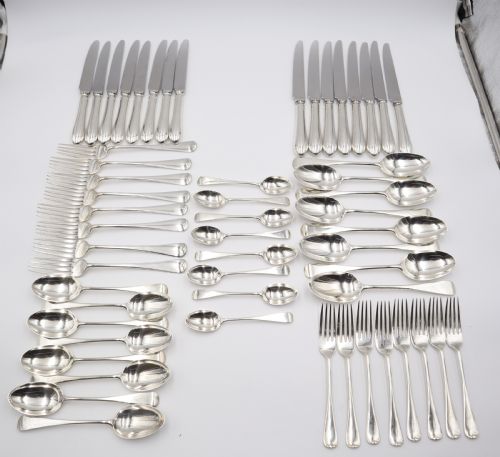
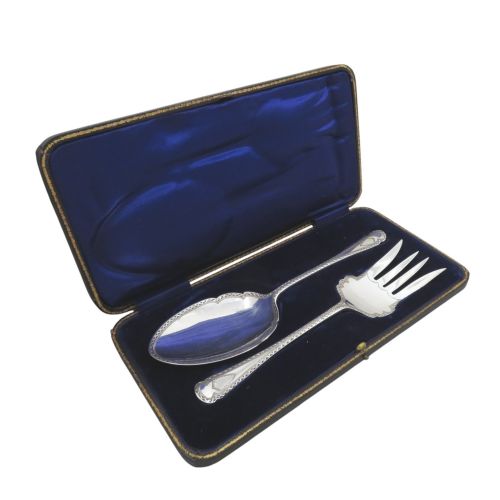
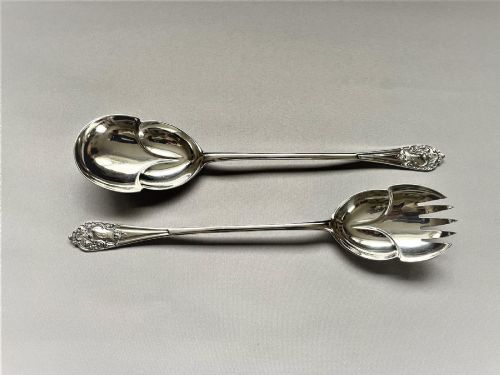
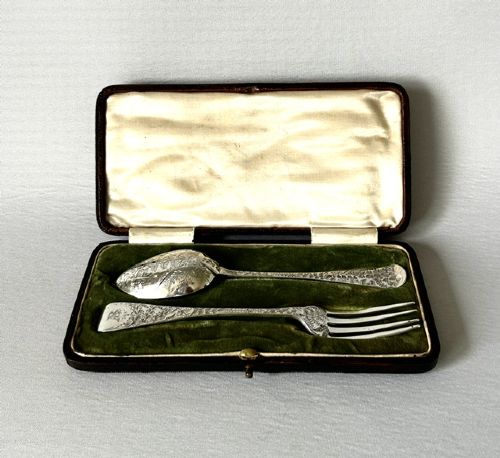
A solid silver fork set encompasses diverse dining implements, ranging from christening sets and seafood picks to salad servers and full canteens designed for twelve persons. Buyers searching this phrase encounter practical table service items and specialised dessert or cake forks shaped for specific culinary uses.
The pieces span multiple historical eras, with Victorian, Edwardian, and Art Deco designs appearing alongside Georgian examples. Most options on this page arrive housed in protective cases lined with velvet, silk, or leatherette.
Origins stretch from the eighteenth century through the nineteenth and twentieth centuries, featuring distinct regional hallmarks such as Sheffield marks. These sets reflect the changing dining habits and social rituals of their respective periods.
How they were made
Makers utilised sterling silver and standard silver for the primary forks, often pairing them with steel components where functional strength was required, such as on specific tines or blades. Crafting involved shaping the metal through traditional smithing techniques, which produced items like three-pronged dessert forks and large serving implements.
Cases were constructed from leather or leatherette on the exterior, while interiors featured soft linings of silk and velvet to cradle each individual piece securely. Silversmiths applied detailed engraving, crests, and sometimes Art Nouveau decorative motifs to enhance the visual appeal of the handles.
Solid Silver Fork Set Retail Price Guide 2026
Typical asking prices for solid silver fork set among the pieces listed under this phrase on Sellingantiques today, from the lower quarter to the upper quarter. They describe what is for sale here now, not the wider market.
Listings feature sterling silver, silver plate, and steel materials housed in velvet, silk, leather, and leatherette cases.
What varies in quality
Quality differences emerge in the weight of the silver and the crispness of the hallmarks and crests stamped into the metal. Heavier gauges of silver provide a more substantial feel in the hand, indicating higher grade manufacturing.
The preservation of the original fitted case also influences the overall standard, particularly the integrity of the internal velvet or silk linings and the exterior leather or leatherette casing. Complete sets with matching makers and unified stylistic details demonstrate greater cohesion than assembled groups.
E Coker·Suckling Ltd.·Walter & John Barnard·John Round
The Solid Silver Fork Set Glossary
- Hallmark
- Official stamps applied to precious metals indicating the maker, assay office, and year of testing. These marks provide definitive proof of authenticity and origin.
- Canteen
- A fitted box or chest designed to store a complete set of cutlery safely. These containers often feature multiple velvet-lined tiers.
- Serving fork
- A larger fork utilised for portioning food at the table rather than individual dining. They frequently accompany matching spoons or salad servers.
- Christening set
- A specialised collection of cutlery, often including a fork and spoon, presented as a traditional gift for a naming ceremony.
Solid Silver Fork Set: Frequently Asked Questions
How do I clean a silver fork set?
Use a specialised silver polish and a soft cloth to remove tarnishing without scratching the metal surface. Avoid harsh abrasives that can wear away engravings and hallmarks.
Store the forks in their original velvet or silk-lined cases when not in use to minimise exposure to air and reduce future tarnishing.
Can I use antique silver forks daily?
Many people enjoy using solid silver cutlery for everyday dining or special occasions. Sterling silver is durable enough for regular meals when handled with care.
Hand washing is essential, as modern dishwashing detergents and high heat can damage the metal and ruin fitted cases.
What is the difference between dessert and cake forks?
Dessert forks often feature three or four sturdy tines and date back to earlier Georgian or Victorian dining traditions. Cake forks are generally smaller and designed specifically for lighter pastries.
Both types appear frequently in cased sets alongside matching serving implements.
How do I identify the date of my forks?
Look for the date letter and assay office marks stamped directly onto the back of the silver handle or neck. These hallmarks correspond to specific historical years and testing locations.
Stylistic cues such as Edwardian proportions or Art Nouveau curves also help narrow down the manufacturing era.