

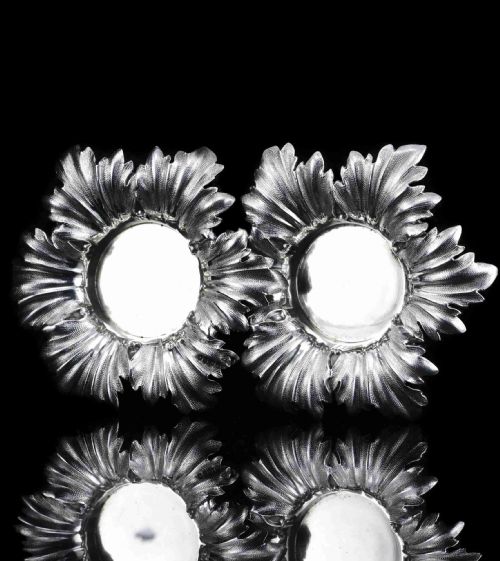


Solid Silver Condiment Dish
A solid silver condiment dish brings distinct silverwork to the table, and these pieces span George II to the 1920s.
Solid Silver Condiment Dish
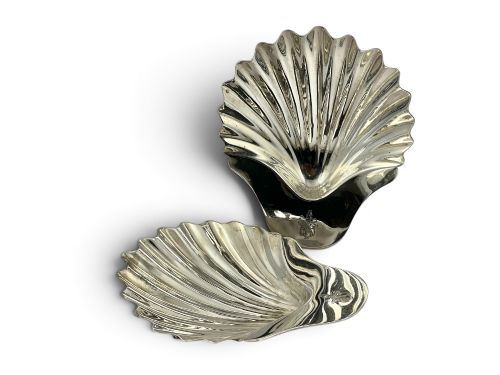
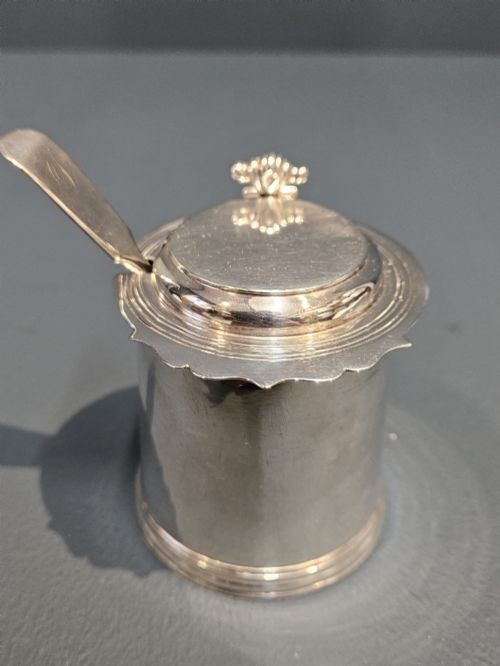
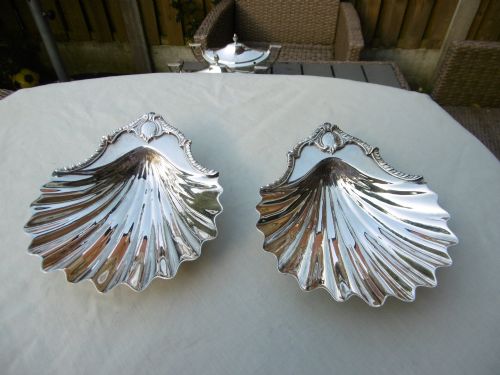
A solid silver condiment dish encompasses salt cellars, mustard pots, and butter dishes designed for formal dining tables. These functional items appear in forms ranging from boat-shaped table salts to shell-shaped butter dishes and lidded mustard pots.
The versions most commonly met on this page include Victorian salt cellars and Georgian butter dishes. Many examples incorporate original blue glass liners or delicate silk and velvet linings inside fitted leather cases.
Origins stretch from eighteenth-century English workshops to Ottoman makers and Scottish novelty designs. Makers such as William Plummer and Edward Farrell shaped these tablewares during distinct periods including the Georgian and Victorian eras.
Materials and construction
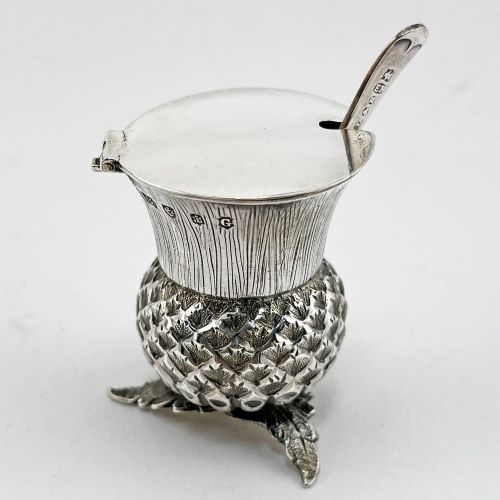
Silversmiths shaped sterling silver and silver gilt through hammering, casting, and chasing to achieve naturalistic flower designs and rococo shells. Formed metal takes on organic contours such as thistle heads, scallop shells, and six-lobed bowls.
Intricate decoration relies on foliate chasing and repoussé work, while functional interiors utilise cobalt glass liners. Protective presentation cases pair exterior silver with fitted velvet and silk internal cushions.
Solid Silver Condiment Dish Retail Price Guide 2026
Typical asking prices for solid silver condiment dish among the pieces listed under this phrase on Sellingantiques today, from the lower quarter to the upper quarter. They describe what is for sale here now, not the wider market.
Object forms span boat-shaped salt cellars, lidded mustard pots, and butter dishes cast as thistle heads and scallop shells.
Evaluating craftsmanship and condition
Distinction across these pieces rests in the crispness of the chased foliate detail and the originality of matching components. Hand-chased motifs executed by prominent silversmiths retain sharper relief than later or simpler commercial production.
Survival of original elements elevates an item, notably matching spoons, blue glass liners, and fitted presentation cases. The presence of clear hallmarks verifying the silversmith and assay office underpins the integrity of each piece.
William Plummer·Barnards·William Bateman·Edward Farrell·Vale Brothers and Sermon
The Solid Silver Condiment Dish Glossary
- Salt cellars
- Open vessels or lidded containers used for holding salt at the dining table. They frequently sit upon three or four small feet or rest directly on the surface.
- Mustard pot
- A small lidded jar designed to hold prepared mustard, usually supplied with a matching spoon and an internal glass liner to protect the silver.
- Butter dish
- A shallow vessel shaped for serving butter, often cast in the naturalistic form of a scallop or shell.
- Vermeil
- Sterling silver that has been plated with a thin layer of gold on the surface. This technique provides a warm, rich tone to the interior or exterior of the vessel.
- Foliate chasing
- Surface ornamentation hammered by hand from the reverse or front to create raised leaf and plant motifs. It requires steady precision to avoid puncturing the metal.
Solid Silver Condiment Dish: Frequently Asked Questions
What are solid silver condiment dishes used for?
These pieces served practical functions on formal dining tables to hold salt, mustard, or butter during meals.
Today, collectors utilise them for table service or display, appreciating their historical role in grand dining rituals.
How do I clean a solid silver condiment dish?
Maintenance requires gentle cleaning with a specialised silver cloth to remove tarnish without damaging chased details or gilding.
Harsh chemical dips should be avoided, particularly on pieces with delicate glass liners or fabric-lined presentation cases.
Why do some salt cellars have blue glass liners?
Cobalt glass liners protected the sterling silver from the corrosive effects of salt and vinegar during everyday dining.
Finding a piece with its original matching blue liner adds significant historical completeness to the item.
How can I tell a Georgian salt cellar from a Victorian one?
Georgian pieces often display rococo scrolls or balanced naturalistic forms dating from the eighteenth and early nineteenth centuries.
Victorian examples frequently showcase heavier foliate chasing, distinct date hallmarks, and sometimes elaborate novelty shapes.