
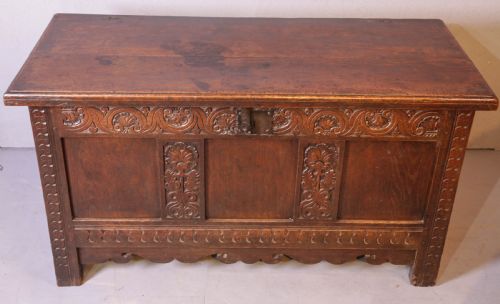

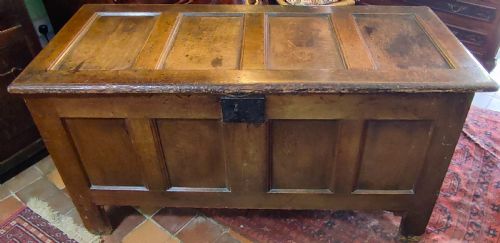

Solid Oak Wooden Trunk
Solid oak wooden trunk covers heavy storage pieces fashioned primarily from timber, iron and brass across multiple historic eras.
Solid Oak Wooden Trunk
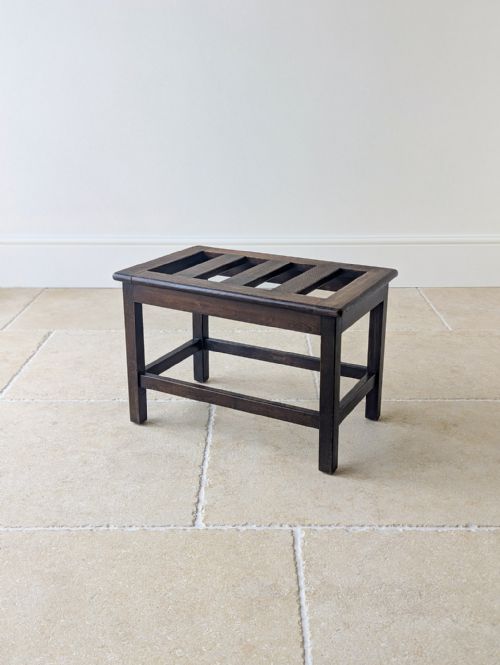
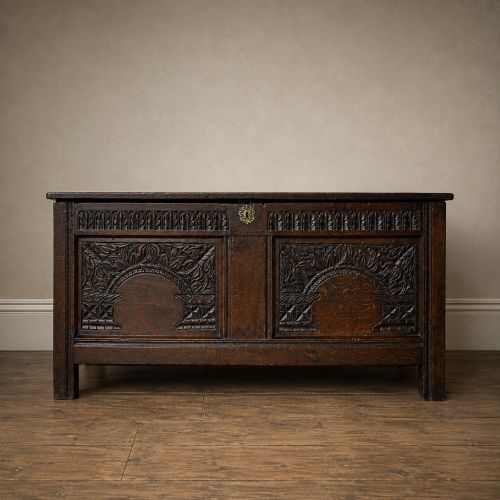
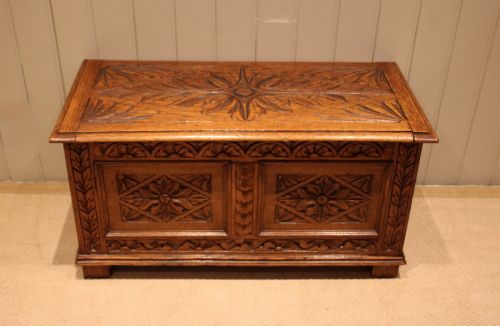
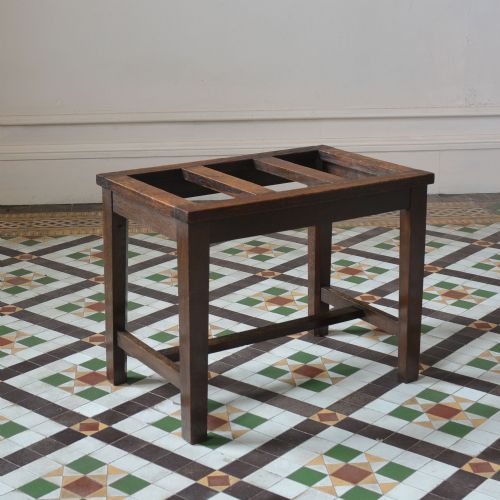
When buyers search for a solid oak wooden trunk, they examine robust storage furniture spanning centuries of British and continental craftsmanship. These objects primarily take the form of coffers, blanket chests, luggage racks and mule chests designed for household storage.
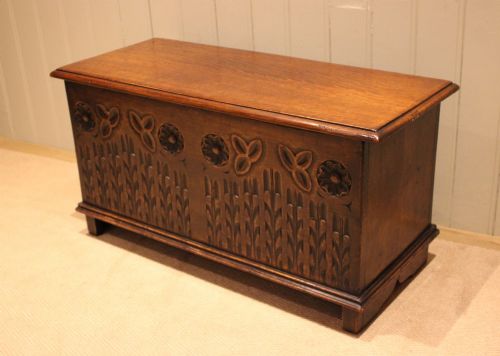
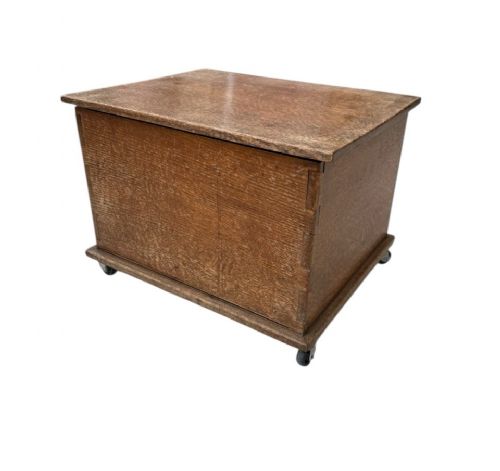
The pieces appearing on this page stretch from the sixteenth century through the Victorian and Edwardian eras up to the twentieth century. Earlier examples show heavy panel construction and carved details, while later items include Arts and Crafts designs and utilitarian luggage stands.
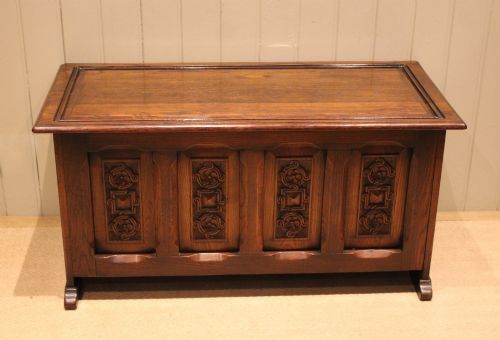
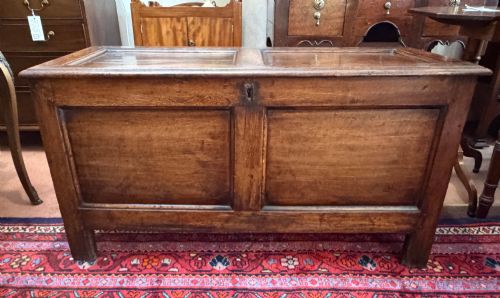
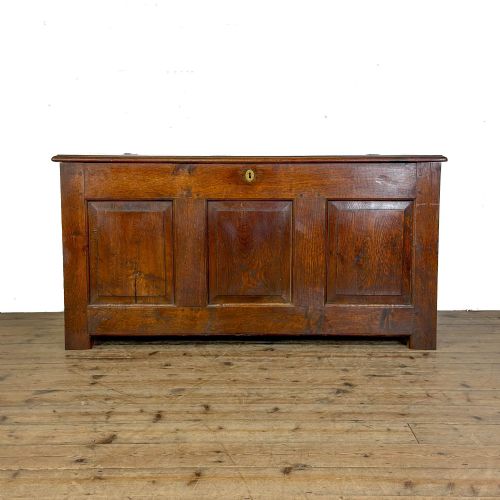
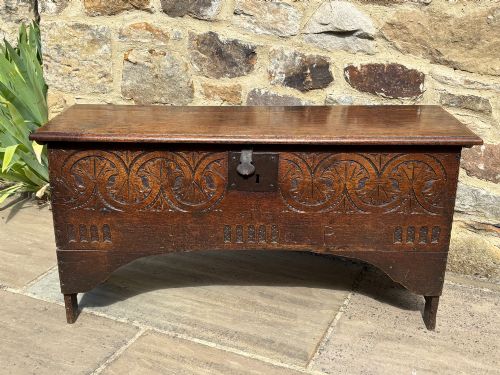
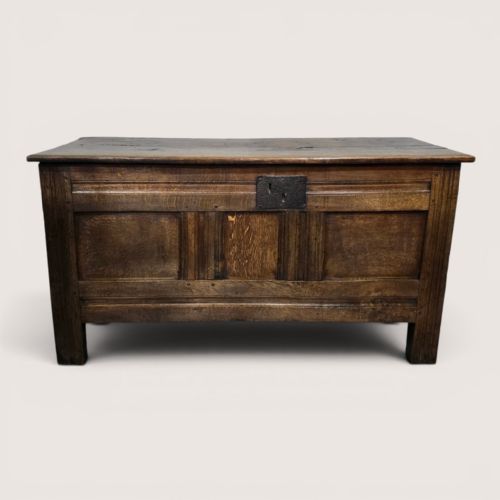
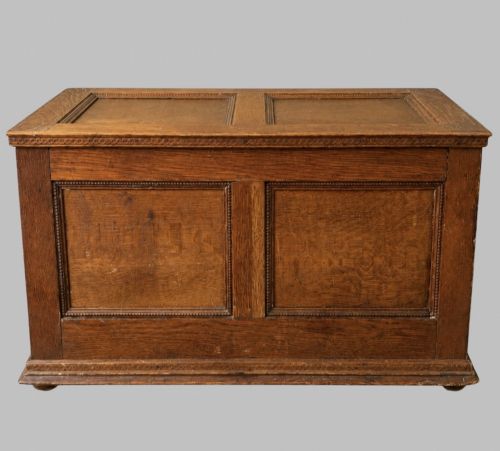
Most entries belong to the seventeenth and eighteenth centuries, featuring panelled sides and hinged lids intended to hold linens, valuables or clothing. Buyers meet both plain utilitarian boxes and heavily carved statement pieces originating from English, Welsh and French workshops.
How they were made
Joiners and carpenters built these storage pieces using solid oak planks held together with traditional joinery, pegged joints and panelled frames. The wood was often quarter-sawn to reveal characteristic medullary rays, providing both decorative appeal and structural stability.
Iron, steel and brass hardware such as strap hinges, carriage mounts, lock plates and carrying handles reinforced the heavy timber frames. Selected pieces incorporate specialised woods like pollard oak alongside painted wooden finishes or wrought iron banding.
Listings feature solid oak storage forms spanning the sixteenth to the twentieth centuries, including Georgian mule chests and Arts and Crafts coffers.
What varies in quality
The caliber of a piece rests largely on the integrity of its original timber construction and the depth of its hand-carved ornamentation. Examples retaining their original hinges, locks and board floors command greater appreciation than those altered or rebuilt over generations.
Proportion and surface patination dictate visual success, with unpolished timber showing honest age standing apart from heavily restored surfaces. The complexity of the joinery, from simple six-plank construction to intricate seventeenth-century panelling, marks the maker's skill.
Jack Grimble·Waring & Gillow
The Solid Oak Wooden Trunk Glossary
- Cofer
- A large wooden chest traditionally used for storing valuables, garments or documents. These heavy boxes frequently feature hinged lids and boarded bases.
- Mule chest
- A storage chest equipped with one or more drawers built beneath the main compartment. This form bridges the traditional blanket box and the chest of drawers.
- Six-plank chest
- An archaic form of box constructed from six distinct boards joined edge to edge at right angles. This method represents some of the earliest surviving domestic storage furniture.
- Pollard oak
- Timber taken from trees that have been pollarded, producing tightly clustered grain patterns and burr formations. Cabinet makers utilised this decorative wood for select panels.
- Luggage rack
- A low stand or low chest used in bedrooms for holding travel trunks or guest luggage. Edwardian examples often incorporate folding wooden frames or slatted tops.
Solid Oak Wooden Trunk: Frequently Asked Questions
How old is my oak trunk?
Dating relies upon examining construction methods, tool marks and the style of any carved ornamentation. Seventeenth-century examples typically display hand-split boards, pegged joints and heavy stile-and-rail panelling.
Later Victorian and Edwardian pieces show machine-sawn timber, standardised hardware and lighter framing. Comparing hinges, locks and timber shrinkage helps clarify the period of origin.
What was a mule chest used for?
A mule chest combined the deep top storage of a traditional blanket box with the accessible drawer space underneath. Households stored bulky textiles and garments in the upper well while keeping smaller items in the drawers.
This hybrid form became popular during the eighteenth century as domestic storage needs evolved. The design allowed users to retrieve items without lifting heavy contents from the main lid.
How do I care for solid oak?
Solid oak requires stable indoor humidity levels to prevent the historic timber from splitting or warping. Placing the chest away from direct heat sources and radiators protects the antique wood.
Applying occasional applications of suitable beeswax helps nourish the surface and maintain its historic patination. Avoid modern silicone polishes that can permanently alter the finish of old wood.
Are all these trunks English?
While many pieces originate from English and Welsh workshops, continental examples also appear in these listings. Seventeenth-century French coffers share similar heavy oak construction but often feature distinct regional carving motifs.
Examining the wood species, construction techniques and stylistic details reveals the likely geographic origin of each piece. Regional British variations, such as West Country characteristics, provide further clues to provenance.