
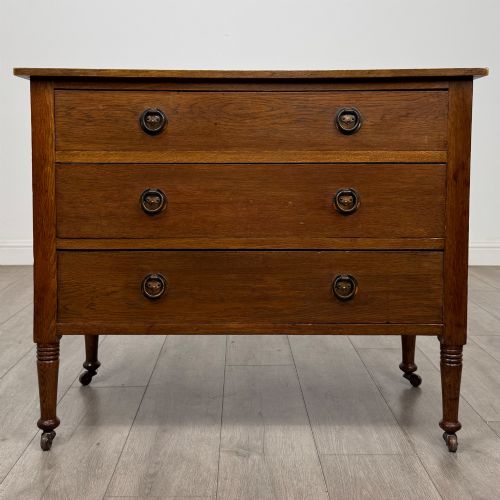
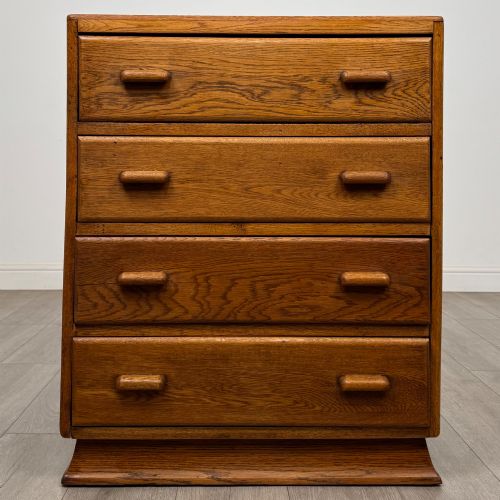
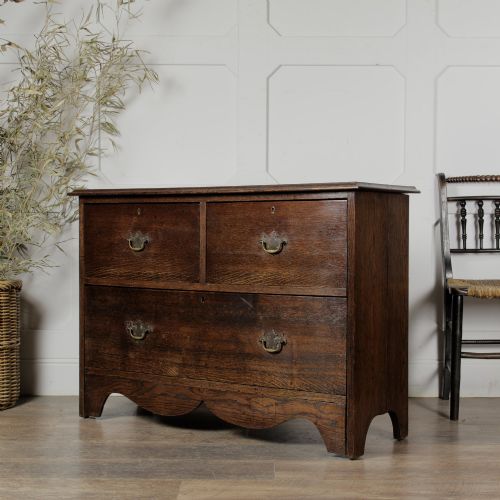
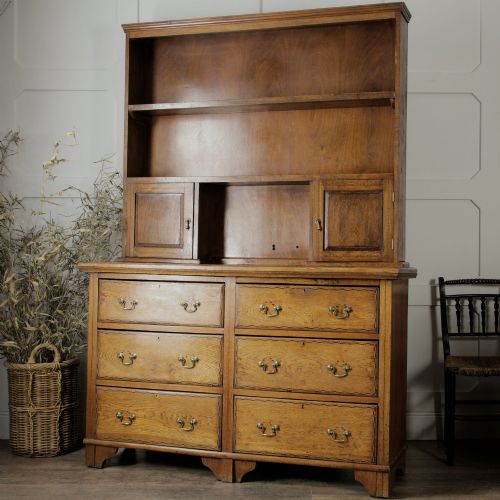

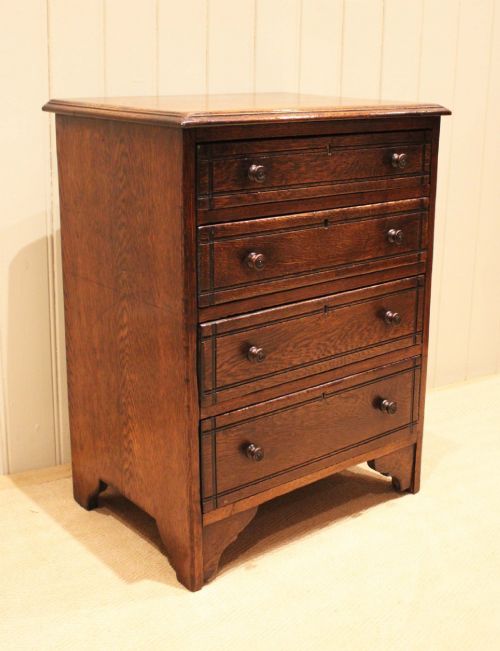
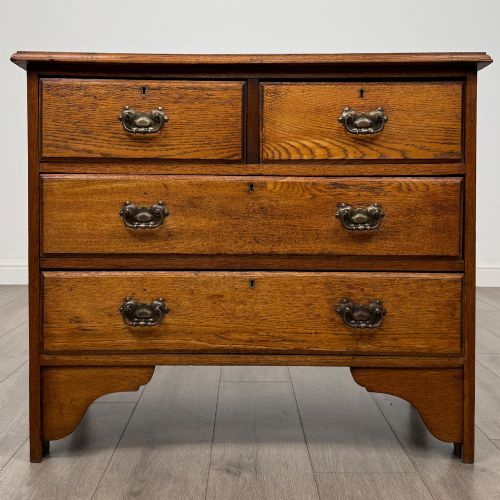
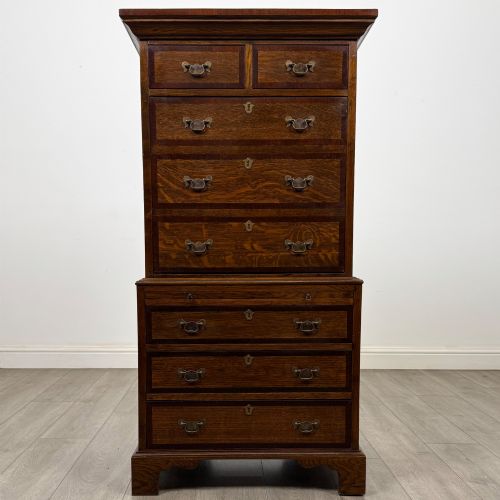
Solid Oak Dresser Chest
A solid oak dresser chest brings substantial storage and honest timber grain into a room, spanning centuries of British cabinetmaking.
Solid Oak Dresser Chest
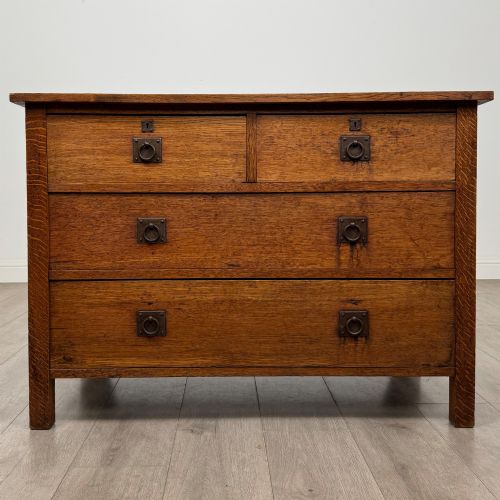
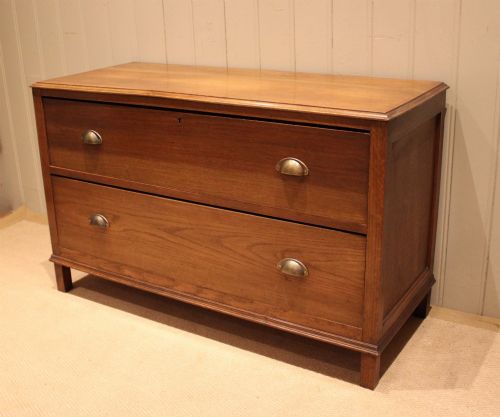
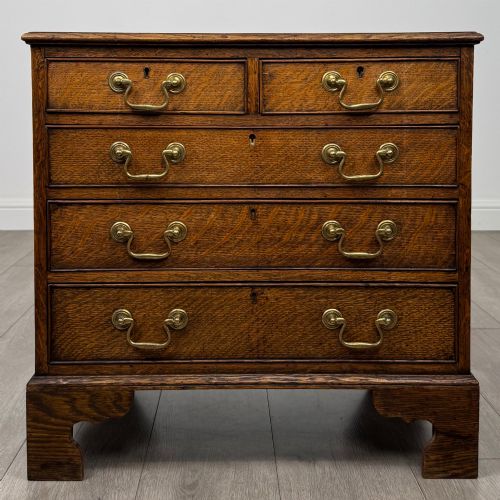
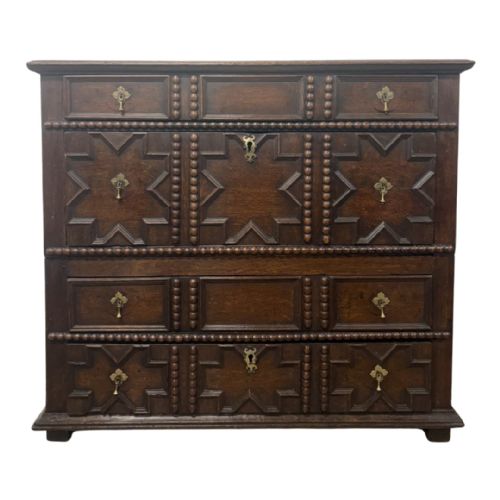
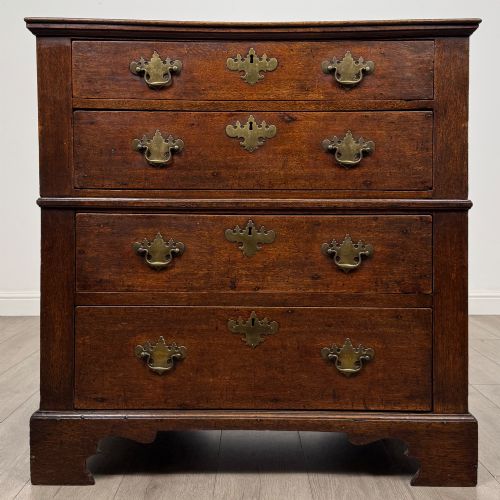
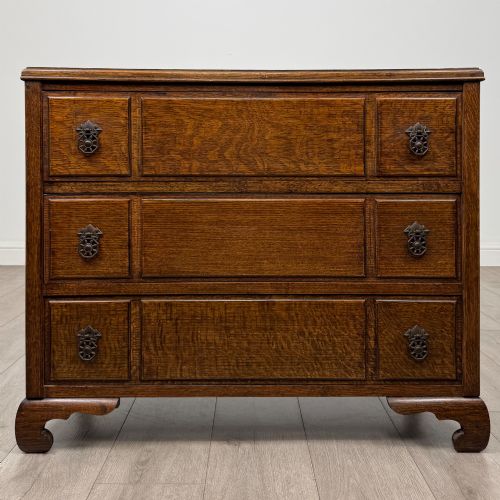
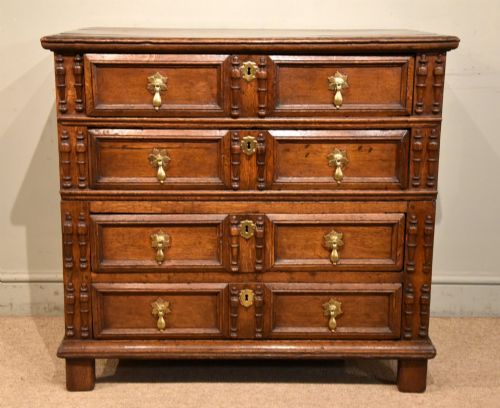
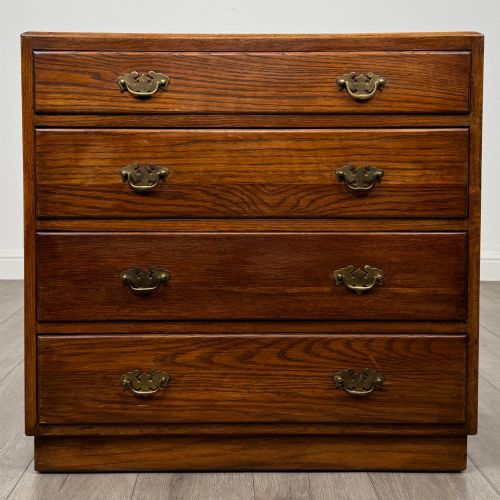
A solid oak dresser chest search reveals forms ranging from robust seventeenth-century geometric designs and panelled coffers to refined eighteenth-century Georgian proportions and early twentieth-century Arts and Crafts pieces. Buyers frequently encounter Edwardian and twentieth-century interpretations alongside early examples displaying deep patination and moulded fronts.
Originating across distinct historical periods, these pieces reflect shifts in domestic storage requirements, moving from heavy joined coffers and early drawer chests to fitted tallboys and utilitarian Arts and Crafts designs. The selection unites diverse eras through the persistent utility and robust nature of oak.
Differentiating Quality Among Chests
Quality rests upon the integrity of the timber selection, the crispness of moulded fronts, and the survival of original brass hardware. Pieces retaining their early patination and untouched surface finish command greater regard than those stripped or overly restored.
Construction depth defines the upper tier, visible in precise drawer dovetailing, thick oak drawer linings, and balanced proportions across seventeenth-century joined work and Arts and Crafts commissions alike. Lesser examples display simplified internal carcases or unsympathetic surface treatments that obscure the natural grain.
An anonymous seventeenth-century tree gave its rings to a chest that still smells faintly of ancient polish and damp Gloucestershire workshops.
Peter Waals
The Solid Oak Dresser Chest Glossary
- Solid Oak
- Timber harvested from Quercus trees used entirely in the construction of a piece without secondary softwood veneers. This material provides exceptional weight, durability, and a pronounced grain pattern.
- Geometric Design
- A decorative arrangement of applied mouldings forming repeating polygons on drawer fronts or panels, typical of seventeenth-century cabinetwork. It adds depth and texture through contrasting light and shadow on the wood surface.
- Tallboy
- A tall storage furniture form consisting of one chest of drawers stacked atop another, popular during the eighteenth century and later revivals. This configuration maximises vertical storage capacity whilst occupying a compact floor footprint.
- Arts and Crafts
- A design movement spanning the late nineteenth and early twentieth centuries emphasising honest construction, visible joinery, and the qualities of natural materials. Pieces from this tradition often feature minimal ornamentation and unpretentious form.
- Coffer
- A large wooden chest with a hinged lid used originally for storing valuables, textiles, or domestic provisions before dedicated drawer chests became widespread. Early examples demonstrate primitive boarded construction or joined frame-and-panel techniques.
Solid Oak Dresser Chest: Frequently Asked Questions
How do I date an oak chest?
Dating relies on examining construction methods, hardware, and surface patination. Early pieces utilise hand-riven boards, pegged joints, and geometric mouldings.
Later Edwardian and twentieth-century examples display machine-sawn timber, standardised fixings, and distinct revival styles such as Arts and Crafts or Art Deco.
Are these pieces suitable for daily use?
Solid oak furniture offers robust construction well-suited to modern domestic environments. The heavy timber frames and deep drawers provide reliable storage for clothing and household items.
Careful placement away from direct heat sources helps preserve the stability of the solid wood construction.
What distinguishes a tallboy from a chest?
A tallboy incorporates a vertical stacking of drawer sections, creating a taller piece designed to maximise storage capacity within a narrow footprint. Standard chests maintain a lower profile suited to surface display.
Both forms utilise solid oak carcases but serve different spatial requirements in a room.