



Solid Oak Dining Furniture
Solid oak dining furniture brings weight and enduring presence to a room, spanning rustic farmhouse tables and carved seating from centuries past.
Solid Oak Dining Furniture
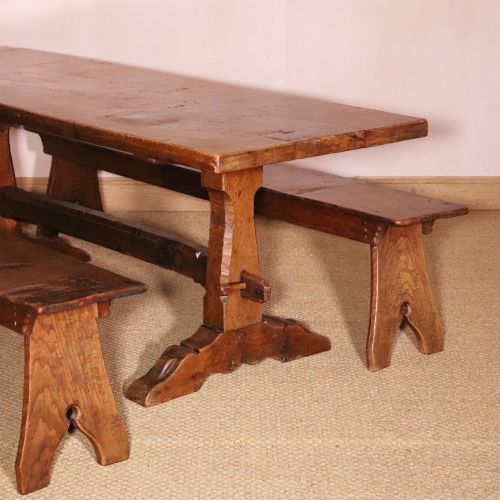
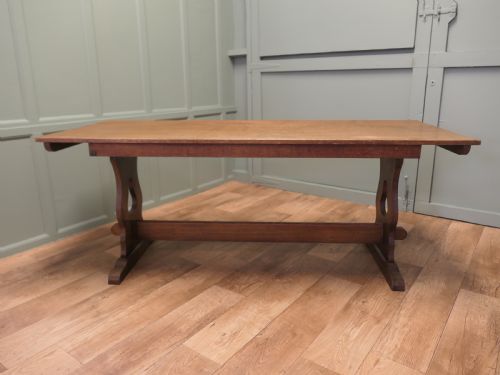
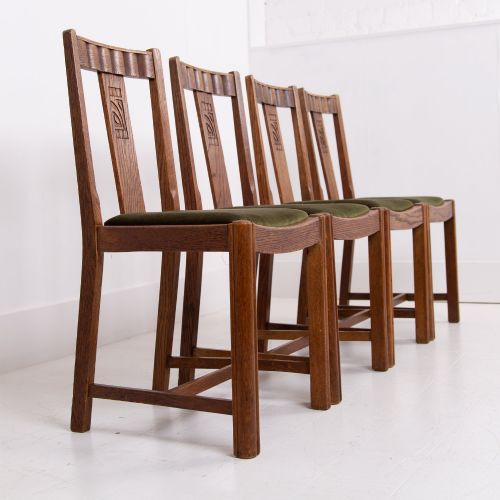
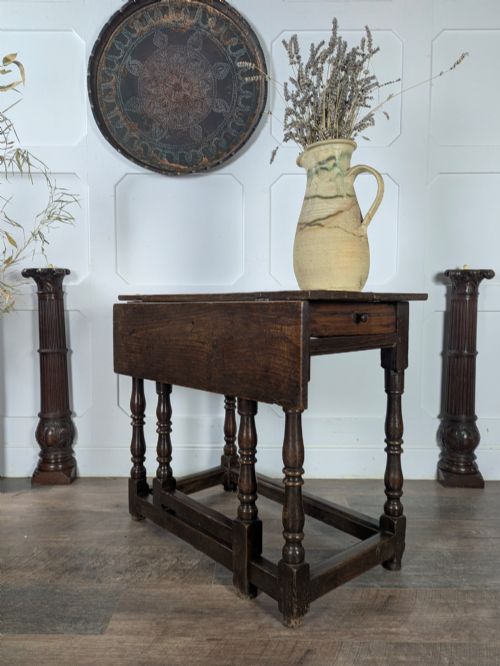
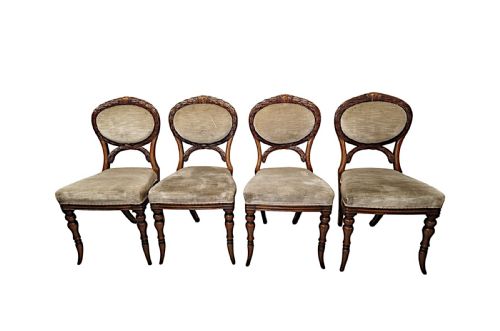
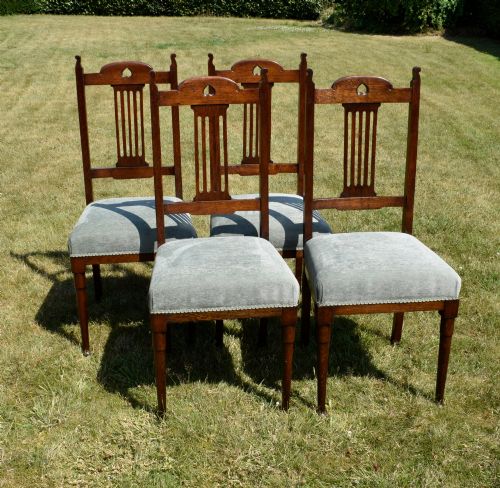
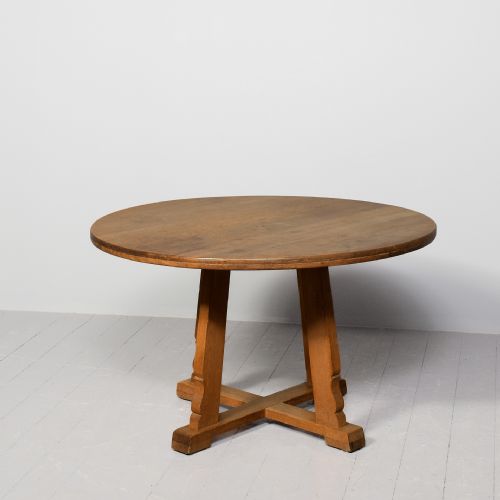
Solid oak dining furniture comprises heavy timber tables, chairs, benches, and sideboards designed for communal eating and gathering. These pieces range from seventeenth-century gateleg tables and high back chairs to nineteenth-century farmhouse sets and Arts and Crafts refectory designs.
Origins vary across English, Welsh, Irish, and continental workshops, reflecting regional carpentry traditions in the shaping of trestles, gatelegs, and panelled sideboards. Quarter-sawn oak surfaces and heavy plank construction dominate the available inventory.
What Varies in Quality
Quality rests heavily on the integrity of the timber and the depth of period construction methods, distinguishing honest seventeenth-century gatelegs from later interpretations. The weight of the single planks used for table tops and the structural soundness of trestle ends dictate the piece's longevity.
Artistic execution in carved details, such as the intricacy of Green Man motifs or Gothic tracery, separates standard utility items from master-designed pieces associated with specific schools or makers.
Listings feature solid oak dining furniture spanning from the seventeenth century through to the nineteen-twenties, incorporating iron, brass, leather, and velvet.
Strahan of Dublin·Heals·Sir Robert Stoddart Lorimer
The Solid Oak Dining Furniture Glossary
- Gateleg table
- A table with hinged drop flaps supported by swinging legs that pivot out to hold the leaves. This form allows the table to fold down compactly when not in use.
- Refectory table
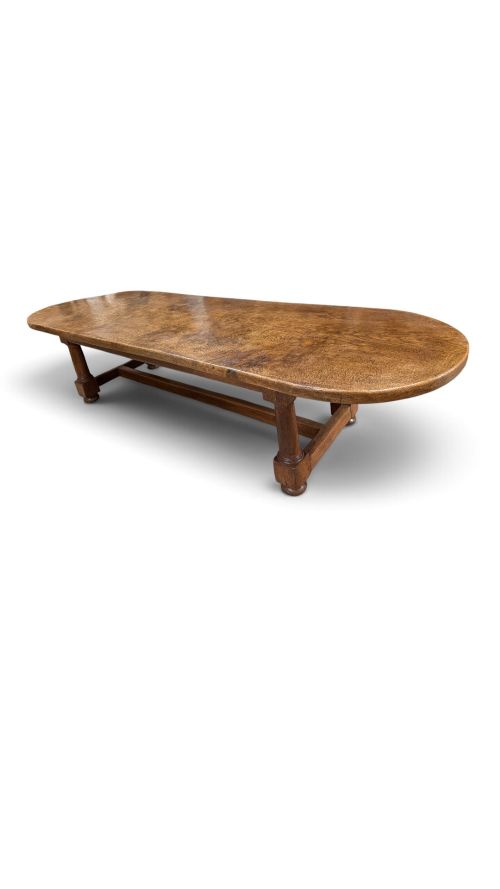
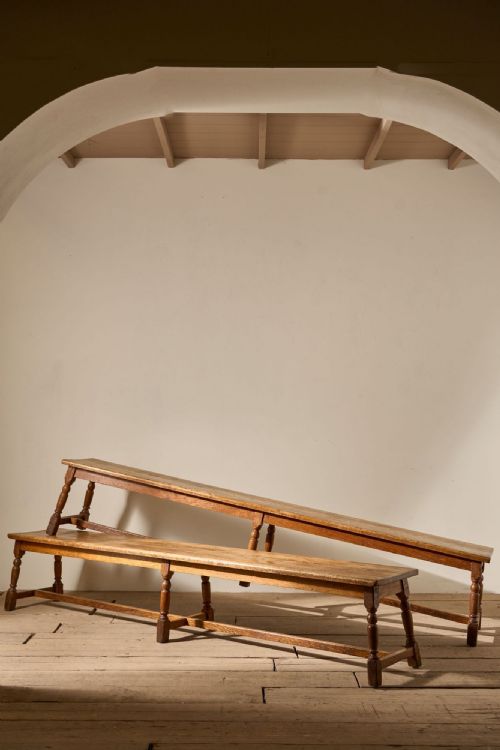
- A long, narrow dining table traditionally used in monastic dining halls. These typically feature substantial trestle bases or heavy four-legged underframing.
- Quarter-sawn oak
- Timber cut radially from the growth rings rather than tangentially. This method produces a durable board marked by characteristic medullary ray flecks.
- High back chair
- A chair featuring an elongated vertical back panel or frame. Early examples often display elaborate carving or panelled construction.
- Trestle ends
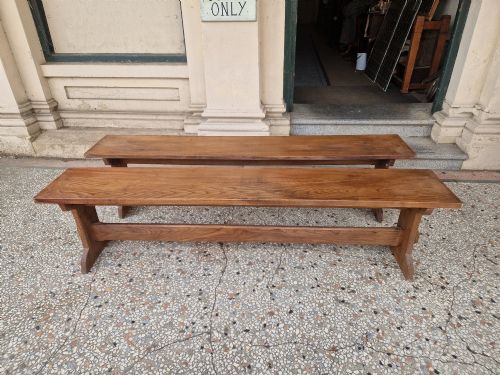
- Vertical supports connected by a horizontal stretcher rather than individual corner legs. This architectural arrangement provides robust stability for long tables and benches.
Solid Oak Dining Furniture: Frequently Asked Questions
How do I care for solid oak furniture?
Keep solid oak dining furniture away from direct heat sources and sudden humidity shifts to prevent the timber from splitting. Regular dusting and occasional application of appropriate natural wax will nourish the grain.
Avoid using harsh chemical polishes that can strip the historic patina. Wipe up moisture promptly to protect the surface finish.
How do I tell a seventeenth-century table from a later copy?
Examine the underside and joints for hand-cut pegged tenons, tool marks, and natural timber shrinkage consistent with age. Earlier pieces often utilise wider single boards and exhibit distinct wear patterns around the footings.
Later reproductions may show uniform machine tooling or modern fixings beneath the surface. Comparing the timber density and colour oxidation helps confirm the period.
Will a refectory table fit in a modern dining room?
Refectory tables provide generous seating capacity but require careful measurement of your room dimensions and chair clearance. Many historical examples run quite long, so ensure doorways and corridors allow for delivery.
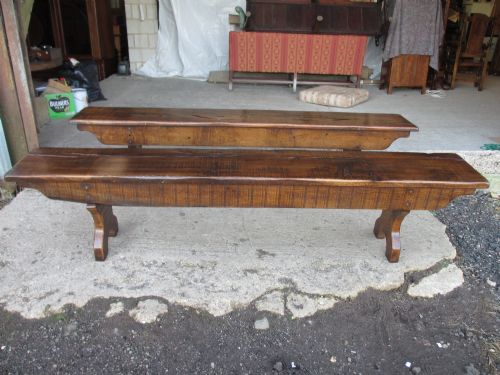
Pairing these substantial tables with benches can save floor space by tucking them entirely beneath the top when finished. Consider the leg placement relative to where diners will sit.
What is the difference between Arts and Crafts oak and earlier styles?
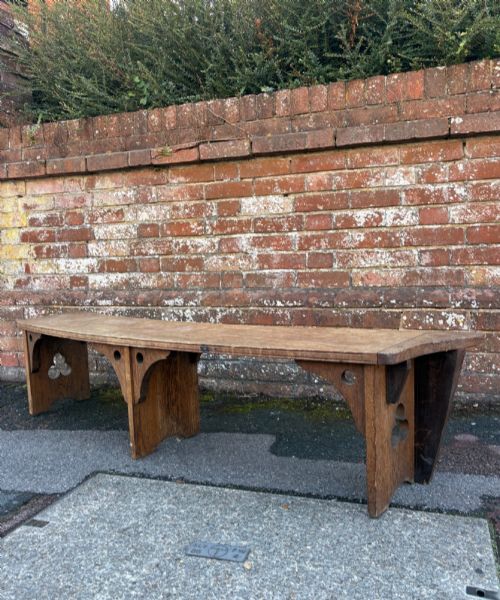
Arts and Crafts oak furniture emphasises honest construction, exposed joinery, and simpler functional lines inspired by medieval craftsmanship. The decorative vocabulary often includes quarter-sawn figuring, subtle Gothic touches, or hand-carved motifs like trefoils.
Earlier seventeenth and eighteenth-century styles tended toward heavier panel work, elaborate turning, and formal vernacular traditions. Each movement reflects the distinct design philosophy of its era.