




Solid Gold Mens Watch
A solid gold mens watch holds weight on the wrist and carries the precision engineering of mid-century horology.
Solid Gold Mens Watch
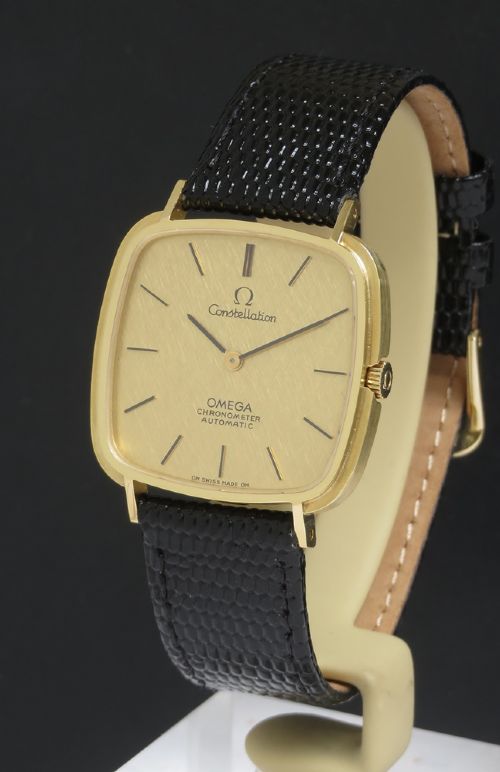
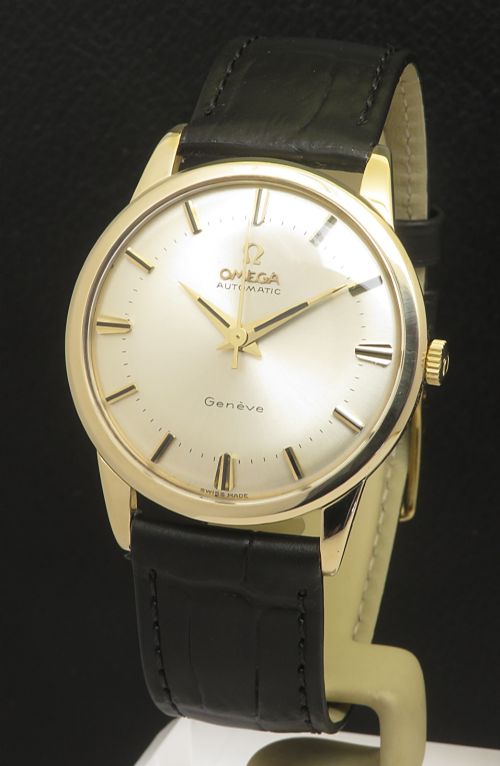
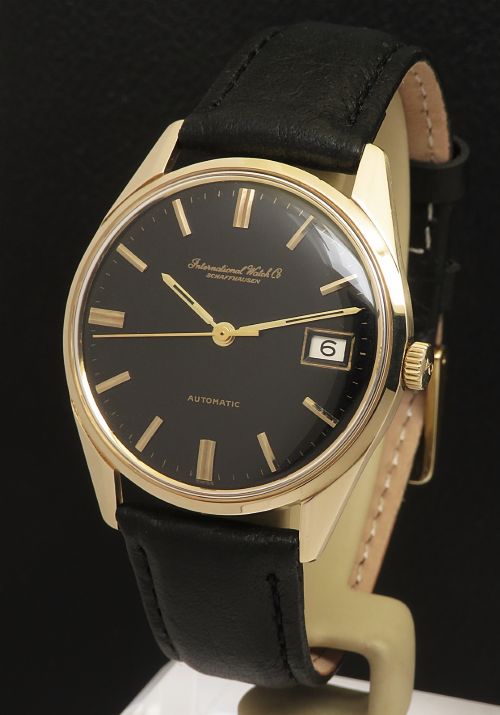
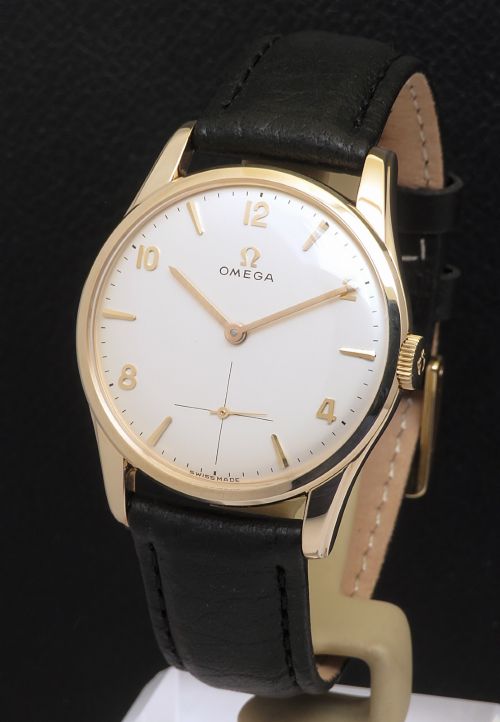
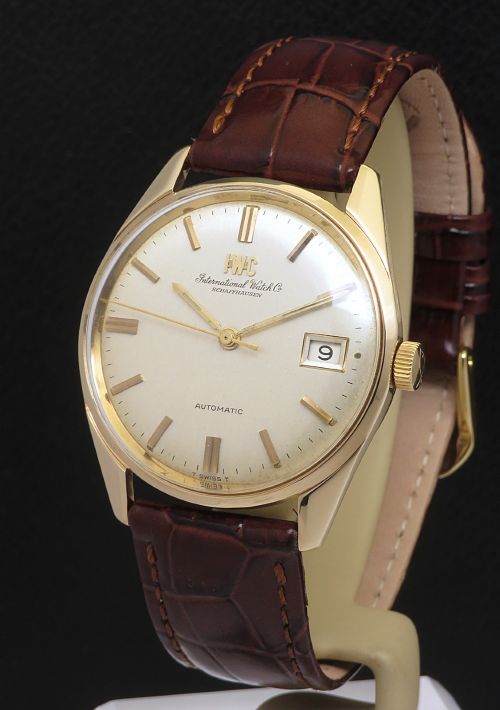
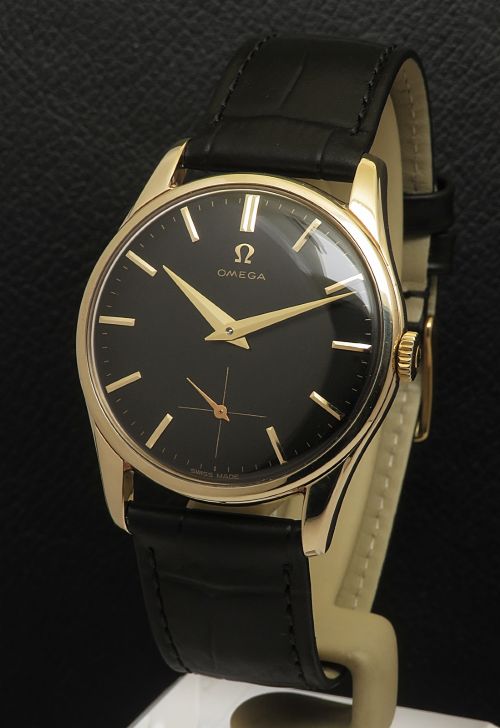
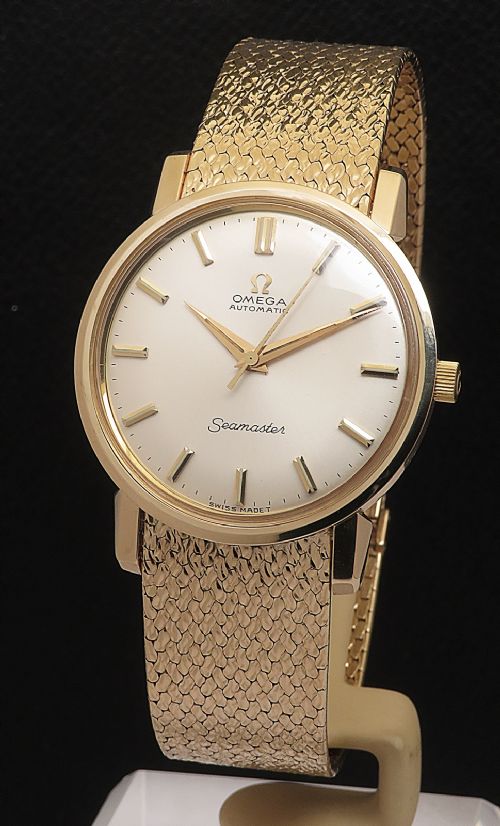
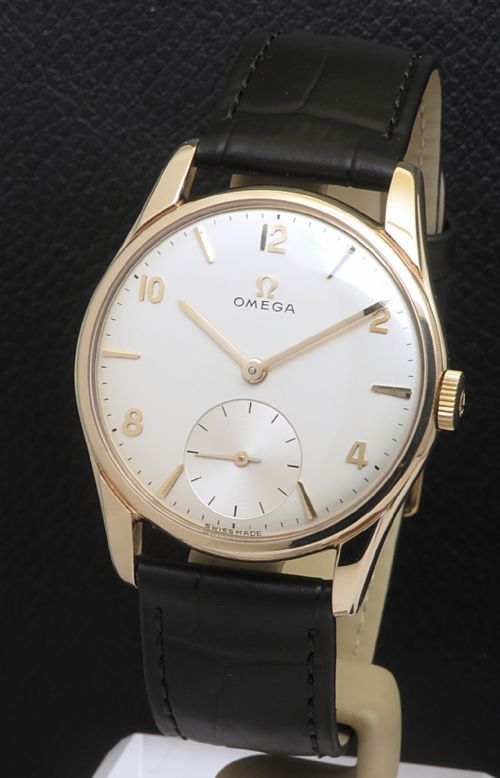
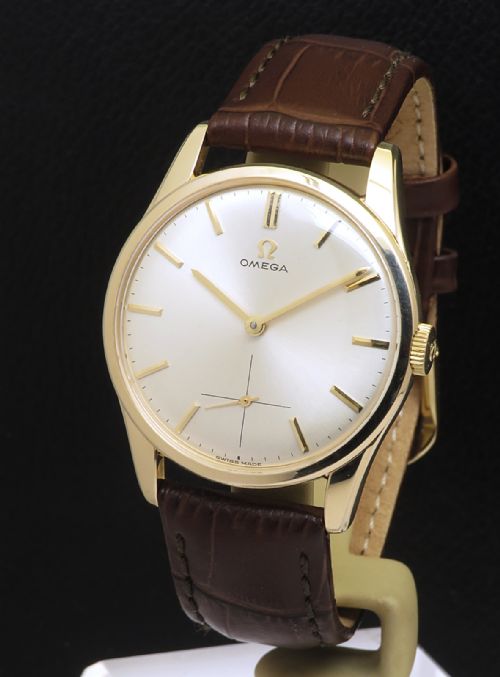
The wristwatches on this page predominantly date from the mid-twentieth century, featuring mechanical and automatic movements housed in yellow gold, rose gold, or eighteen-carat gold cases. Pocket watch chains and related pieces from Victorian and Edwardian eras also appear frequently.
Manufacturers such as Omega, Longines, and International Watch Company dominate the selection. These pieces combine precious metal content with robust calibres designed for daily wear.
How they were made
Cases and watch chains utilise nine-carat, twelve-carat, or eighteen-carat gold, often bearing hallmarks for specific assay offices like Birmingham or Chester. Dial configurations incorporate applied markers, textured finishes, and glass or acrylic crystals.
Movements rely on precision mechanical engineering, spanning manual-wind calibres and early automatic systems such as bumper rotors. Leather straps and metal bracelets complement the precious metal case construction.
Listings feature nine-carat and eighteen-carat gold variations alongside steel and leather components.
What varies in quality
The standard of preservation separates routine examples from exceptional survivals, particularly concerning original dial condition and case edge crispness. Retained boxes, papers, and factory finishes elevate the desirability of individual timepieces.
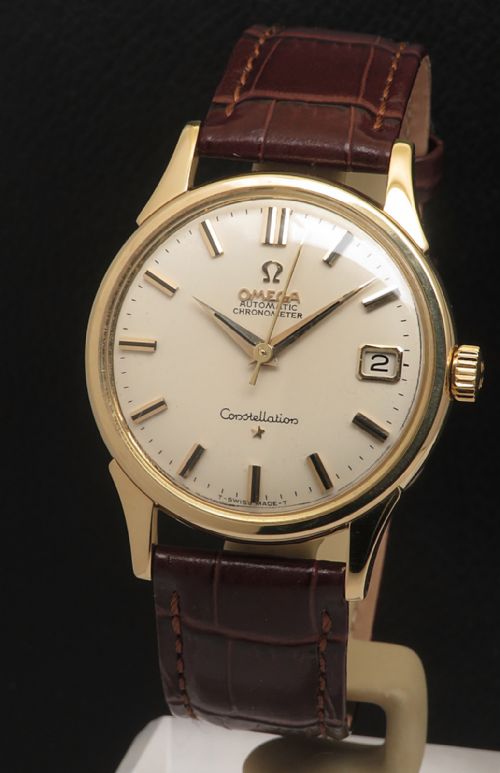
Movement complexity and finishing also distinguish the range, moving from standard commercial calibres to chronometer-certified mechanisms adjusted for temperature and position.
Omega·Longines·International Watch Company·Vertex·Zenith·Cyma
The Solid Gold Mens Watch Glossary
- Calibre
- The specific internal mechanical movement manufactured for a watch. This identifier reveals the exact series and technical architecture designed by the maker.
- Chronometer
- A high-precision watch movement tested and certified to meet strict accuracy standards over various temperatures and positions. Such designations denote superior mechanical regulation.
- Albert Chain
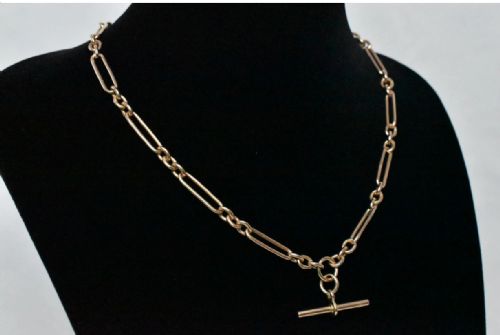
- A pocket watch chain designed to attach to a waistcoat buttonhole, equipped with a T-bar and dog clips. Victorian and Edwardian examples often feature substantial gold links.
- Bumper Automatic
- An early self-winding mechanical movement where the rotor swings through a limited arc and bounces off springs. This technology preceded the full thirty-six-degree rotating rotor.
- Hallmark
- An official stamp applied by an assay office indicating the purity of the precious metal and the year of testing. These marks provide definitive historical provenance for British gold items.
Solid Gold Mens Watch: Frequently Asked Questions
What is an Albert chain?
An Albert chain is a traditional pocket watch chain secured to a garment using a T-bar fastener. Victorian examples frequently incorporate heavy gold links and swivel dog clips.
These pieces were originally designed for functional timekeeping security but are commonly worn today as necklaces or decorative chains.
How do bumper automatics work?
Bumper automatic movements utilise a semi-circular weighted rotor that swings back and forth against internal springs rather than rotating in a full circle. This mechanical style represents the early transition into self-winding wristwatches.
Collectors prize these movements for their distinct tactile sensation on the wrist as the weight strikes the bumper springs.
What is a chronometer?
A chronometer is a precision watch that has passed rigorous laboratory testing for accuracy across different positions and temperatures. These movements feature specialised regulation to maintain exceptional timekeeping.
Such designations indicate a higher grade of manufacture and adjustment by the original maker.
How do I care for a vintage gold watch?
Vintage gold watches require gentle handling, protection from moisture, and regular mechanical servicing by a qualified horologist. Keeping the movement clean ensures the internal gears operate smoothly without excessive wear.
Avoid submerging older pieces in water and store them away from magnetic fields to preserve their accuracy.