




Small Wooden Wall Cabinet
A small wooden wall cabinet frees up floor space while keeping cherished condiments, keys or curios safely enclosed at eye level.
Small Wooden Wall Cabinet
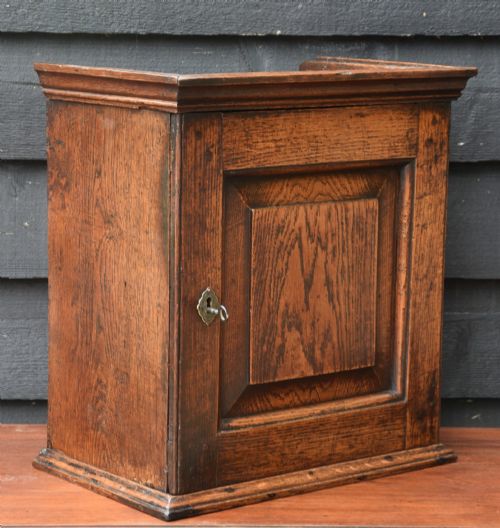
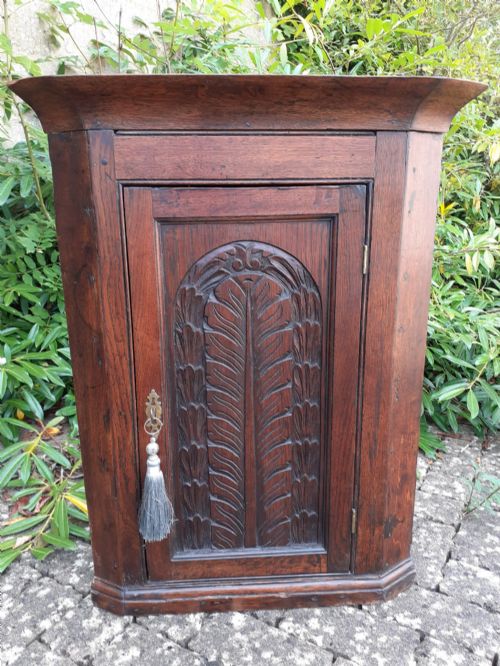
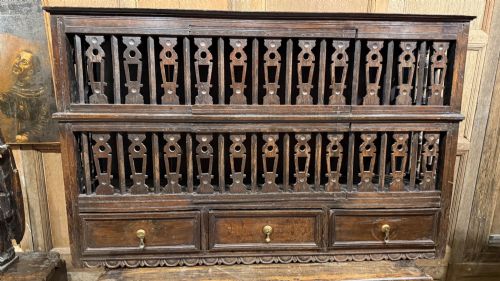
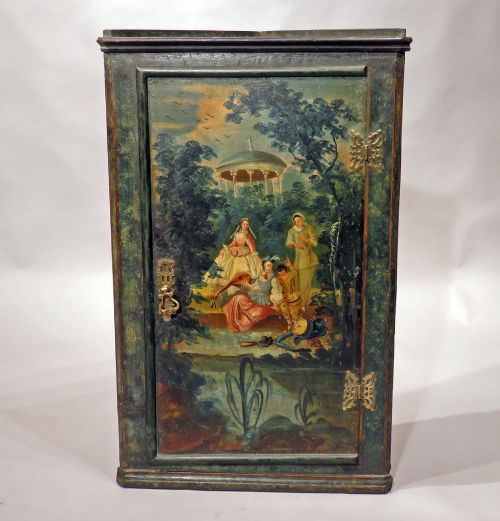
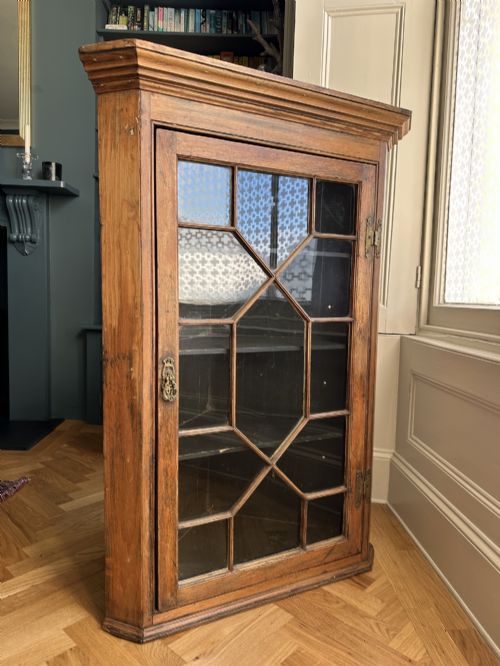
A small wooden wall cabinet serves as a compact storage unit designed to hang directly on domestic walls rather than rest upon the floor. When searching for a small wooden wall cabinet, buyers encounter varied forms such as spice cupboards, corner units, key cabinets and display cases spanning the seventeenth century through to the art deco era.
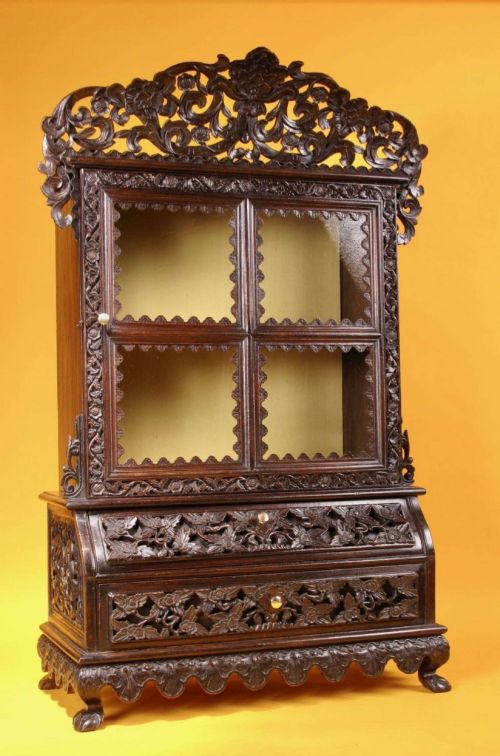
The selection ranges from early oak spice cupboards of the eighteenth century to mahogany and satinwood pieces representing later Victorian, Edwardian and Arts and Crafts movements. Regional variations include Swedish painted pine, French armoires adapted for wall use, and carved Anglo-Indian hardwoods.
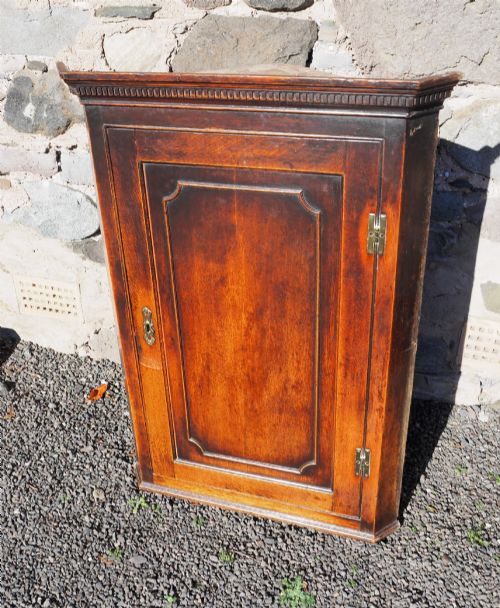
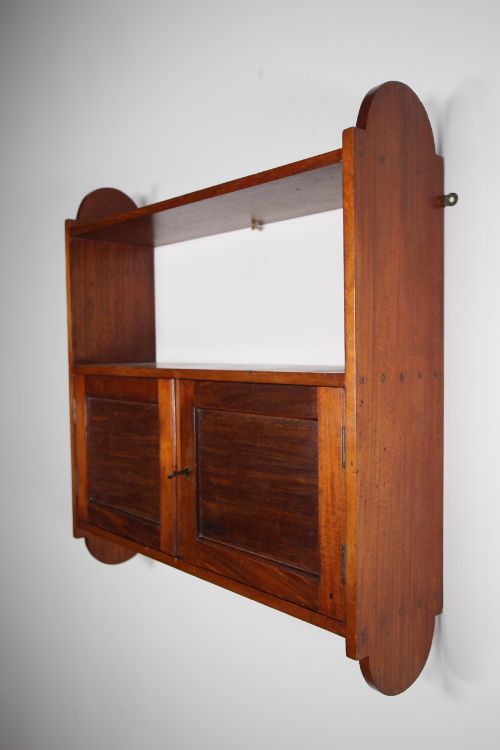
Corner cupboards and hanging wall shelves also appear frequently within this grouping, offering alternative ways to utilise vertical surfaces in domestic spaces.
Materials and construction
Cabinet makers utilised native and imported timbers including oak, pine, mahogany, walnut, limewood and satinwood to construct these hanging units. Secondary woods such as pine frequently appear alongside oak in spice boxes and corner cupboards.
Surface treatments vary from polished grain and pokerwork decoration to painted finishes, faux tortoiseshell effects and clear glass door panels. Hardware components incorporate brass hinges and locks, alongside iron fixings.
Small Wooden Wall Cabinet Retail Price Guide 2026
Typical asking prices for small wooden wall cabinet among the pieces listed under this phrase on Sellingantiques today, from the lower quarter to the upper quarter. They describe what is for sale here now, not the wider market.
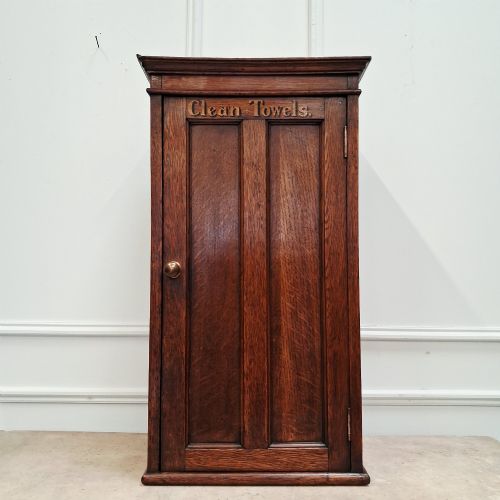
One designated key cupboard carries the delightful historical moniker of a night porter's cabinet.
What varies in quality
Quality rests upon the selection of timber, such as burr walnut or figured mahogany, and the precision of joinery used in doors, cornices and internal shelving. Finer examples display deliberate decorative choices like hand carving, pokerwork or original painted interiors.
The integrity of period hardware, including working locks and original keys, elevates an item's standing among collectors.
Heals
The Small Wooden Wall Cabinet Glossary
- Spice cupboard
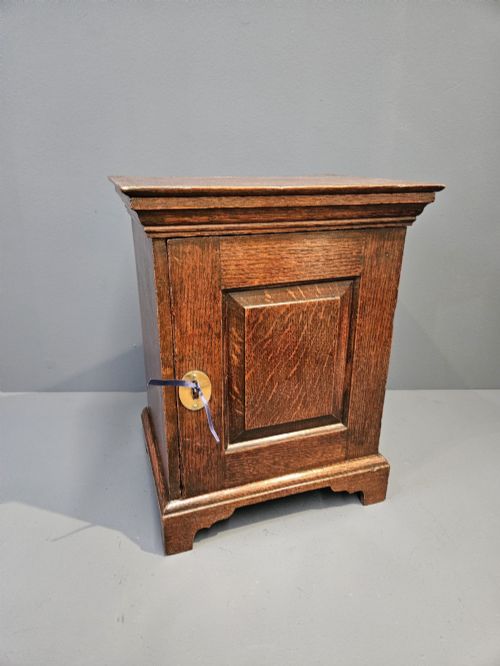
- A small wall-mounted storage box historically used for keeping expensive culinary spices and medicinal ingredients securely locked. These compact pieces often feature multiple internal drawers or compartments behind a single hinged door.
- Pokerwork
- A decorative technique involving the burning of a design into a wooden surface using heated metal tools. This ornamentation style appears frequently on Arts and Crafts wall cupboards.
- Corner cupboard
- A triangular cabinet specifically designed to fit snugly into the internal angle of a room. These units make efficient use of otherwise neglected architectural space.
- Anglo-Indian
- A descriptive term for decorative arts produced in India under British influence, often combining traditional eastern carving motifs with western furniture forms. Such items frequently utilise dense, highly figured hardwoods.
- Burr walnut
- A specialised wood veneer taken from the knotted growth of a walnut tree, prized for its swirling grain patterns. Cabinet makers utilised this material on statement doors and panels.
Small Wooden Wall Cabinet: Frequently Asked Questions
How were spice cupboards used?
Early spice cupboards provided secure storage for precious commodities like nutmeg, cinnamon and cloves, which were kept under lock and key in domestic kitchens or parlours.
Over time, these diminutive wall-mounted boxes adapted to hold letters, trinkets or small household items while preserving their enclosed format.
What is a corner wall cabinet?
A corner wall cabinet is built with angled sides that allow the piece to mount neatly into the corner of a room.
This clever spatial design maximises storage potential without protruding far into the living area.
How do I date a wooden cabinet?
Dating relies on observing construction methods, timber choices and decorative styles associated with specific eras like the Georgian or Arts and Crafts periods.
Hardware styles, joint types and secondary woods also offer vital clues regarding a piece's age.
Can these cabinets hold heavy items?
These pieces are generally lightweight units designed for decorative display, spices, keys or small curios rather than heavy kitchenware.
Ensuring secure wall fixings suited to the specific weight of the timber cabinet is essential for safe suspension.