



Small Wooden Pot
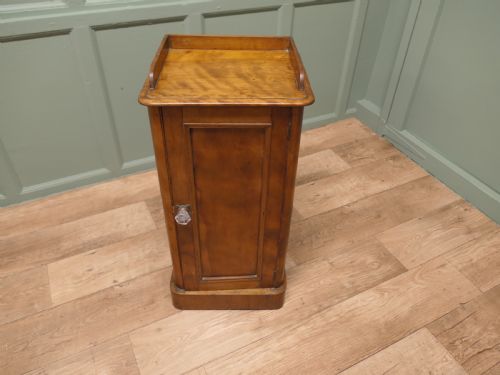
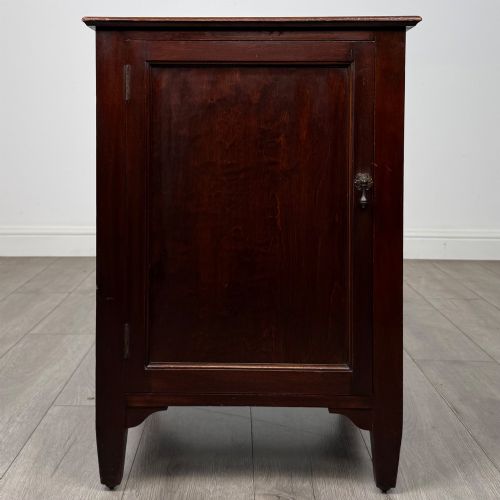
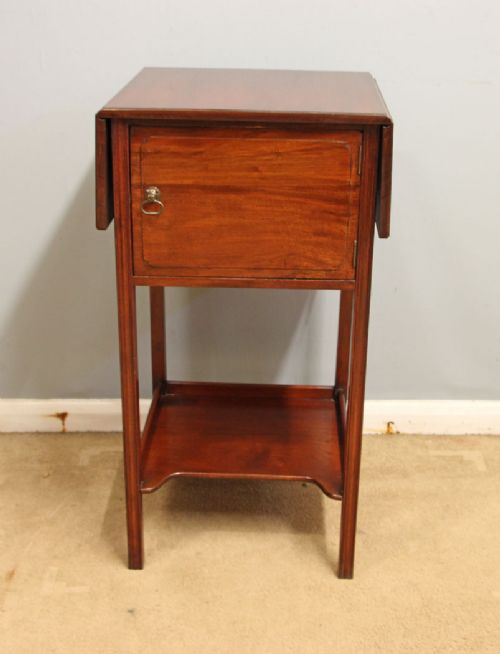
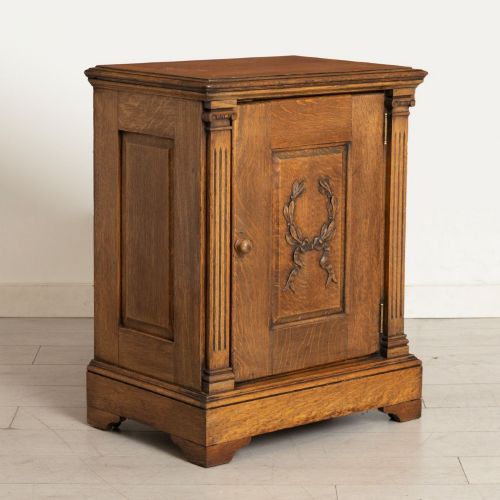
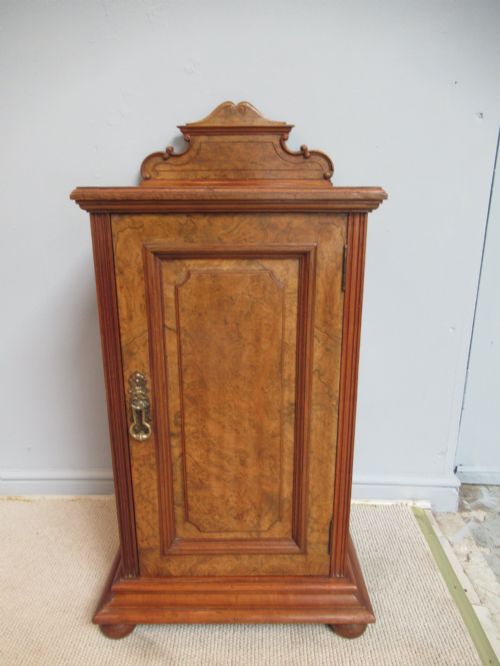
A small wooden pot or bedside cabinet offers a compact solution for bedside storage, bringing period character and practical utility into a room.
Small Wooden Pot
A small wooden pot or bedside cabinet primarily spans forms such as night lockers, pedestal cupboards, bedside tables, and close stools designed for intimate domestic storage. These compact pieces date from the 18th century through the Edwardian period and the 1920s, reflecting changing bedroom requirements over generations.
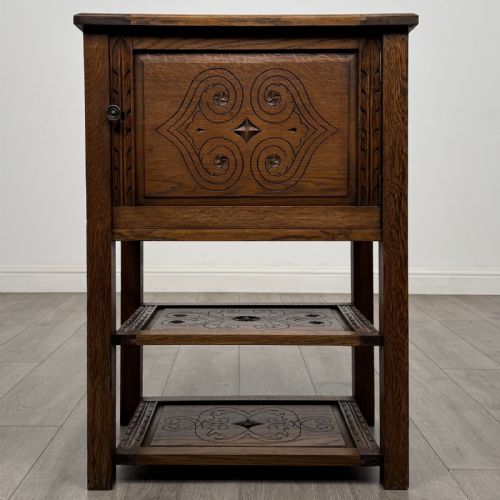
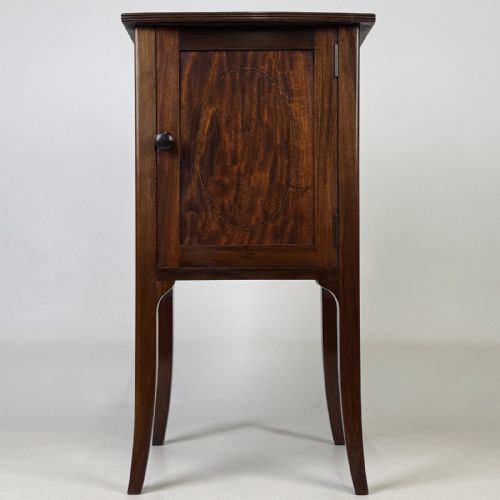
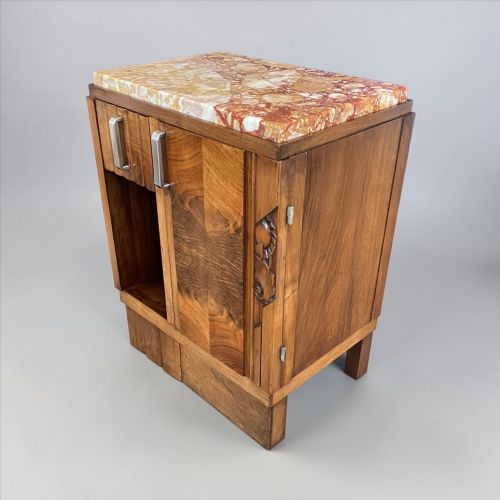
The most common examples you will encounter on this page are mahogany, oak, and walnut bedside cupboards from the Victorian and Edwardian eras. These range from simple solid oak cupboards to finely figured burr walnut and satinwood-inlaid specimens.
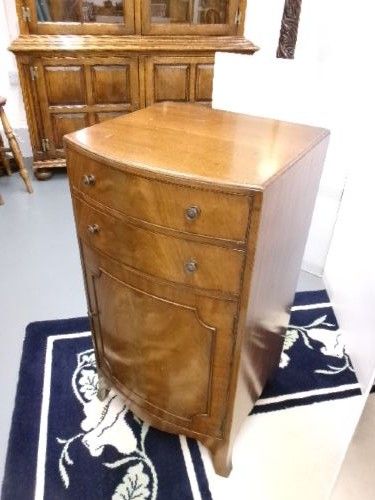
Beyond standard bedside tables, the selection includes specialised forms such as close stools disguised as small chests, serpentine fronted cabinets, tambour nightstands, and small carved brush pots or jardiniere stands.
Materials and construction
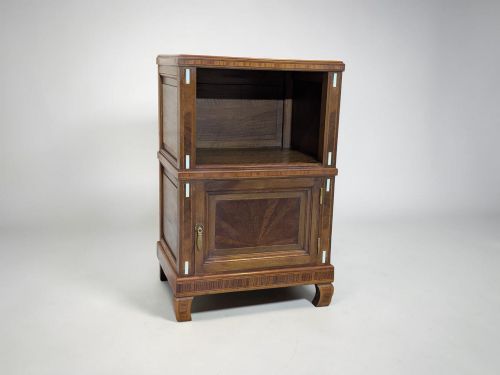
Cabinet makers utilised dense hardwoods such as mahogany, oak, and walnut as the primary structural timbers, often employing quarter veneers and burr walnut to create highly figured decorative surfaces. Secondary woods provided interior framing for drawers and enclosed shelving.
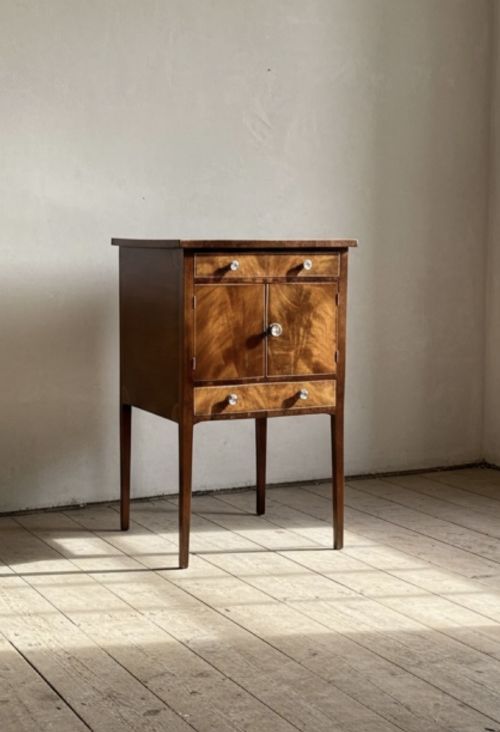
Inlay work in satinwood and contrasting timbers defined Edwardian and Sheraton Revival pieces, whilst brass hardware such as handles and hinges completed the functional fittings of the period.
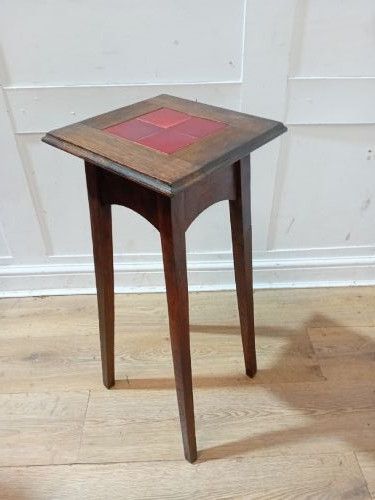
Carving appeared across Jacobean Revival, Gothic Revival, and Arts & Crafts designs, showing hand-chiselled details on solid oak panels alongside simpler turned supports for plant and jardiniere stands.
Small Wooden Pot Retail Price Guide 2026
Typical asking prices for small wooden pot among the pieces listed under this phrase on Sellingantiques today, from the lower quarter to the upper quarter. They describe what is for sale here now, not the wider market.
Materials recorded across the inventory include mahogany, oak, walnut, burr walnut, satinwood, maple, marble, and brass.
Assessing quality and finish
Quality in a small wooden pot rests on the choice of timber and the precision of its grain matching, particularly visible on burr walnut and flame mahogany surfaces where symmetrical veneers elevate the piece. The depth and warmth of the original polish or patination also separate superior examples from standard utility items.
Construction methods reveal the standard of workshop execution, seen in tight dovetail joints on drawers, smooth operation of tambour doors, and the integrity of applied satinwood inlay rather than painted substitutes.
Proportion and stylistic coherence dictate the standing of a piece, whether it follows strict Georgian architectural lines or exhibits the refined Edwardian bow front and tapered leg proportions.
Maple & Co
The Small Wooden Pot Glossary
- Pot cupboard
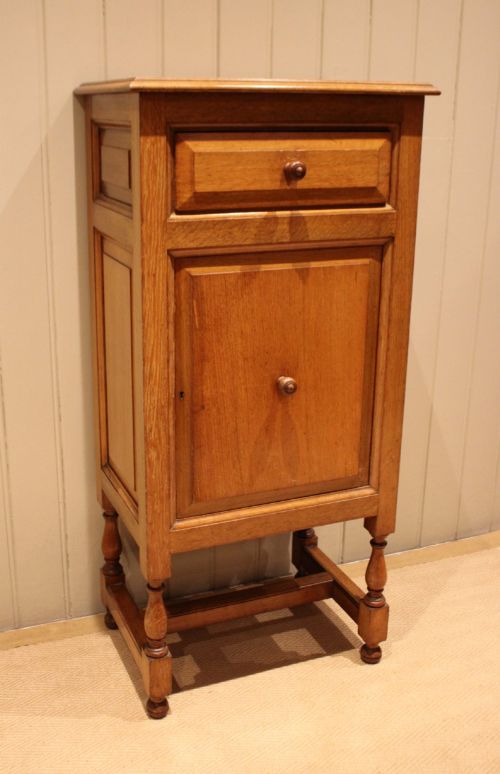
- A small bedside cabinet originally constructed to house a chamber pot behind a single door or drawer. These versatile cupboards now serve perfectly as standard bedside tables or lamp stands.
- Close stool
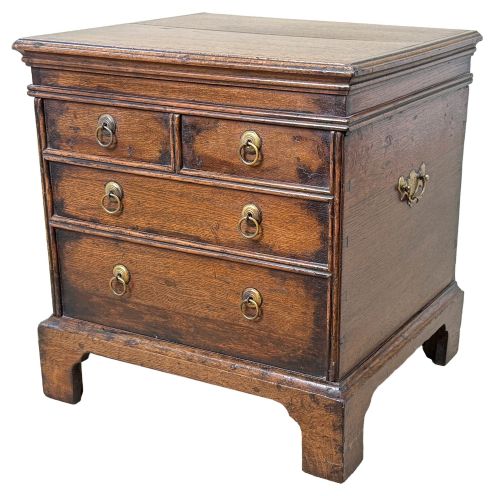
- A piece of furniture resembling a small chest or cabinet that enclosed a commode seat. 18th-century examples in oak often disguised this function entirely beneath panelled wooden doors.
- Tambour
- A sliding door constructed from narrow vertical strips of wood glued to a canvas backing. This mechanism allowed smooth access to the interior of bedside nightstands without requiring clearance for a swinging door.
- Burr walnut
- A prized wood veneer harvested from the irregular growths or burls of walnut trees. It yields deeply swirled, highly decorative grain patterns favoured on Victorian and Edwardian cabinets.
- Jardiniere stand
- A tall, slender plant or flower pot stand manufactured in wood, sometimes incorporating marble tops. They appear in Arts & Crafts and Victorian inventories alongside standard bedroom furniture.
Small Wooden Pot: Frequently Asked Questions
What was a small wooden pot used for originally?
These compact cupboards primarily functioned as bedside repositories for chamber pots, night accessories, and personal items before modern plumbing moved facilities indoors.
Over time, their convenient proportions ensured they transitioned seamlessly into general bedside tables, lamp stands, and small side cabinets in contemporary bedrooms.
How do I tell an 18th-century piece from a Victorian one?
Eighteenth-century pieces typically feature simple, robust proportions in solid mahogany or oak, often constructed as close stools or Georgian bedside tables with subtle mouldings.
Victorian and Edwardian examples introduce more varied timbers like burr walnut and satinwood inlay, alongside more complex door mechanisms and revivalist decorative styles.
Are these cabinets suitable for modern bedside storage?
Their compact dimensions make them ideal companions for lower modern bed frames, offering concealed shelf space and a drawer for books and personal items.
The flat top surface easily accommodates a bedside lamp, a glass of water, and an alarm clock without overwhelming smaller bedrooms.
What maintenance do antique wooden cabinets require?
Keeping these pieces away from direct heat sources and strong sunlight protects the antique polish and prevents the timber veneers from drying out or splitting.
Regular application of a suitable natural wax maintains the lustre of mahogany, walnut, and oak surfaces without building up heavy chemical residues.