

Small Wooden Nightstand
A small wooden nightstand is a compact bedside companion that keeps evening essentials within arm's reach while anchoring a bedroom scheme.
Small Wooden Nightstand
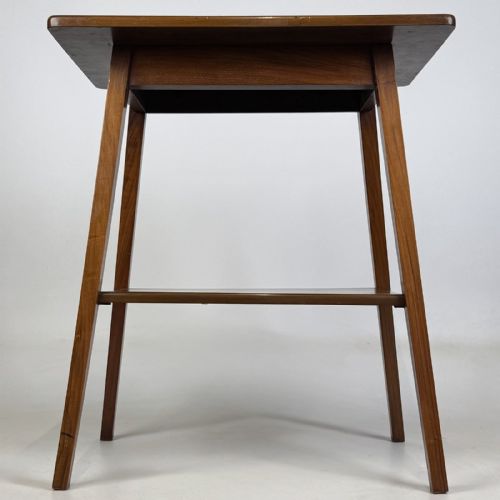
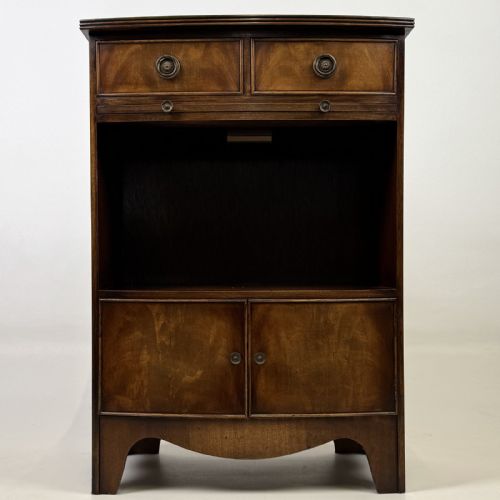
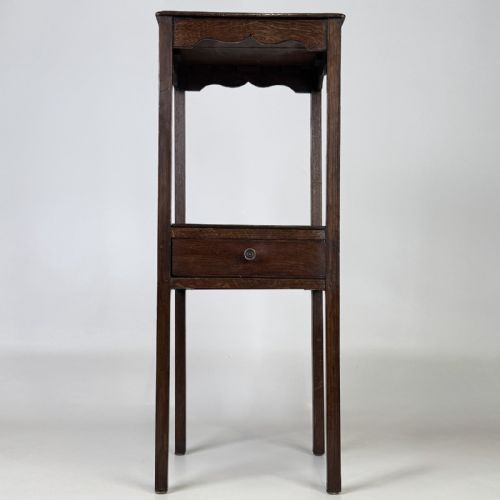
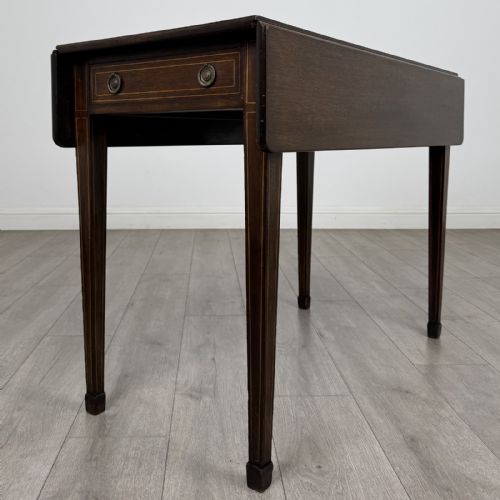
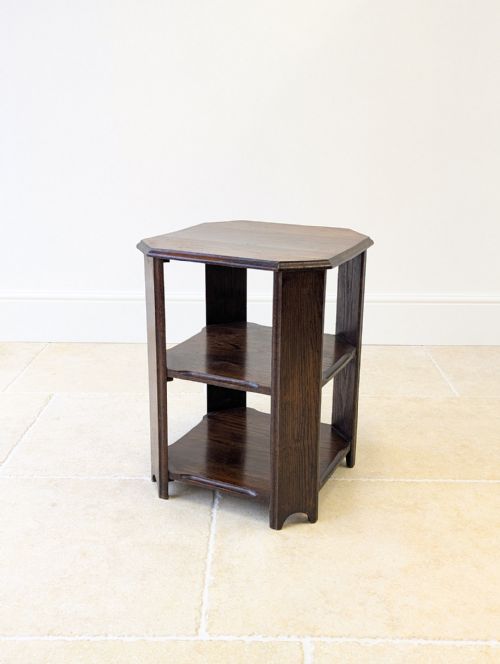
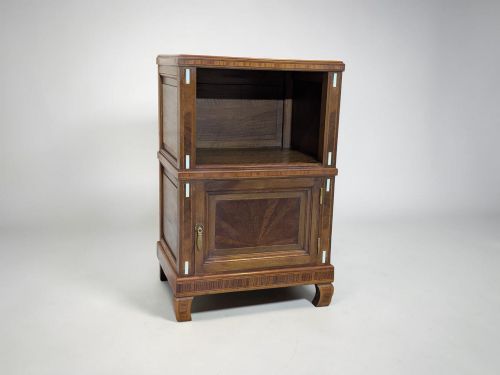
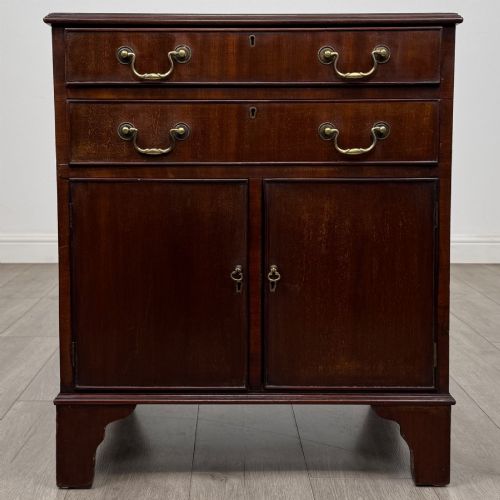
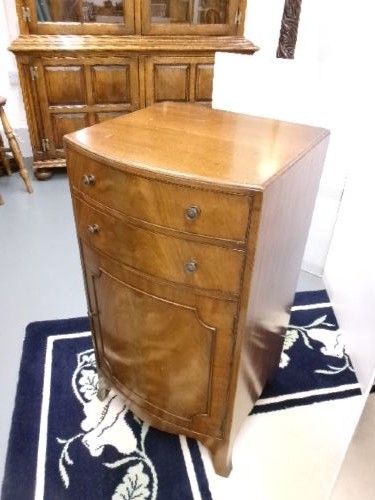
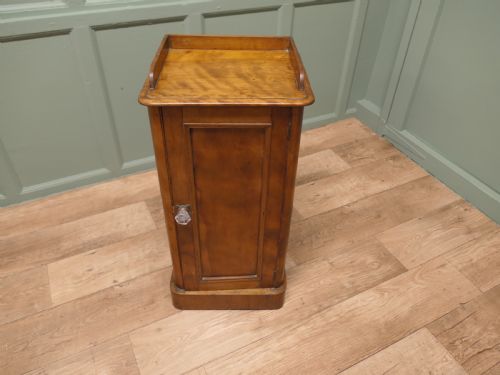
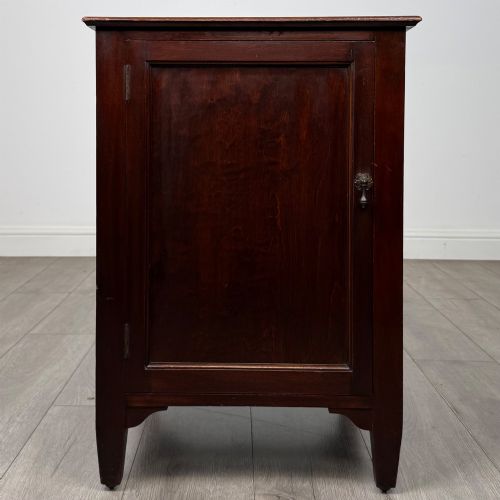
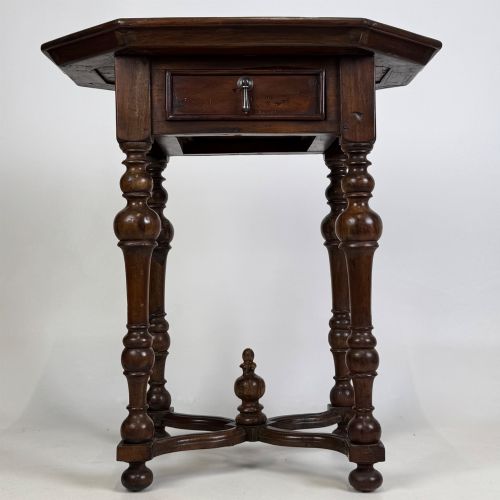
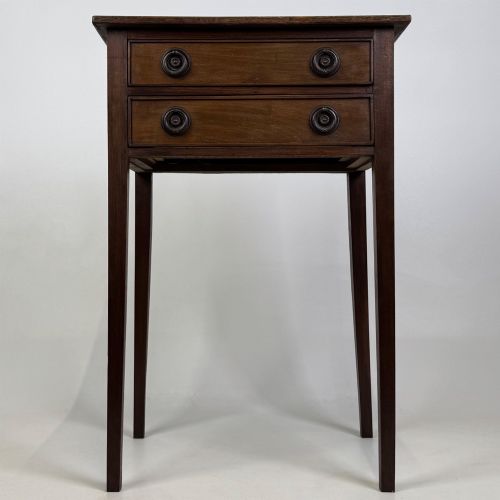
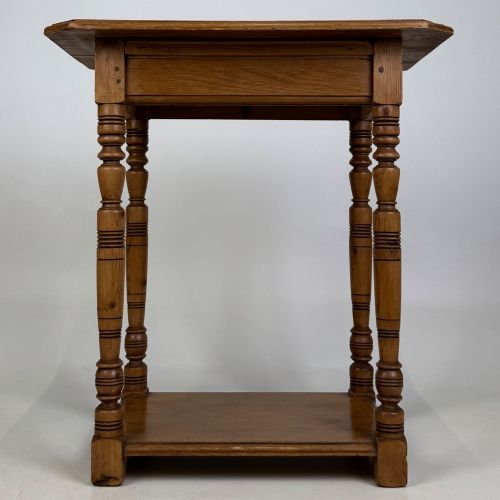
When you search for a small wooden nightstand, you meet a variety of compact bedside furniture spanning several centuries. The selection includes Edwardian cupboards in stained or fumed oak, Victorian bedside chests in rich mahogany, and Georgian mahogany side tables with drawers.
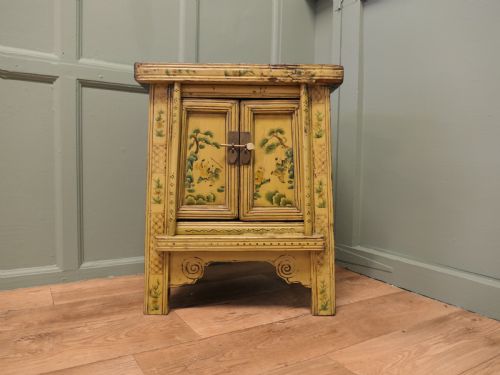
The most common forms on this page are bedside cabinets, small chests of drawers, and side tables designed to sit neatly beside a bed. Pieces range from simple utilitarian oak cupboards to elegant inlaid mahogany pieces created for period bedrooms.
Origins stretch across British workshops, French provincial makers, and Scandinavian joiners, yielding everything from austere Arts and Crafts ash cabinets to decorative pieces finished in burr walnut or kingwood.
How they were made
Makers relied on durable hardwoods suited to domestic service, predominantly oak, mahogany, and walnut, frequently enhanced by decorative veneers such as burr walnut or kingwood. Construction often involved traditional joinery methods like dovetailing for drawer boxes and mortise and tenon frames.
Surfaces received finishes tailored to the wood type and period, ranging from waxed or polished mahogany to painted finishes and delicate inlaid banding in contrasting timbers. Brass handles, escutcheons, and hinges provided both structural reinforcement and subtle decorative detail.
Period styles span Georgian, Victorian, Edwardian, Arts and Crafts, Jacobean Revival, and Art Deco.
What varies in quality
Quality rests on the selection of timber and the precision of the cabinetmaker's hand. Superior examples display carefully matched grain patterns, tight joinery that withstands daily use, and thoughtful proportions that balance utility with elegance.
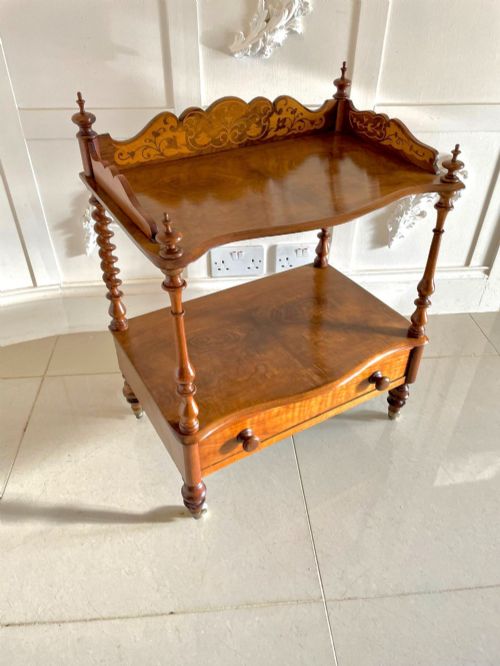
The degree of ornamentation also sets pieces apart, distinguishing plain utilitarian cupboards from refined cabinets featuring fine marquetry inlay, moulded cornices, or turned supports.
Gomme
The Small Wooden Nightstand Glossary
- Dovetail
- A joint used to secure drawer corners through interlocking wedge-shaped fingers. This construction method offers exceptional tensile strength.
- Inlay
- A technique where pieces of contrasting wood or brass are inserted into recesses within the primary surface. It creates decorative geometric or floral motifs.
- Night table
- An alternative historic term for a small bedside cabinet or table. These pieces originally held chamber pots or nighttime water jugs.
- Close stool
- A historic piece of furniture enclosing a chamber pot, often disguised as a small cabinet or chest. Eighteenth-century examples frequently resemble compact bedside chests.
- Burr walnut
- Timber taken from a walnut tree growth featuring swirling, irregular grain patterns. Cabinetmakers prize this material for high-status veneered surfaces.
Small Wooden Nightstand: Frequently Asked Questions
What periods do these nightstands come from?
The pieces span several eras, including Georgian, Victorian, Edwardian, and the early twentieth century. Each period brings distinct timber choices and design characteristics.
Earlier examples often feature heavy oak or figured mahogany, while Edwardian pieces frequently showcase lighter inlaid woods and simpler domestic forms.
How were these cabinets used originally?
These compact pieces served as bedside companions to hold lighting, books, and personal items. Some historic variants doubled as enclosed commodes or close stools.
Their small footprints allowed them to fit snugly into period bedrooms where space beside the bed was limited.
What woods should I look for?
Oak and mahogany appear most frequently, offering robust construction and enduring stability. Walnut and burr walnut provide a more decorative, highly figured appearance.
Other regional materials include ash, fruitwood, elm, and kingwood, depending on the piece's geographic origin and period.
How do I identify an Edwardian piece?
Edwardian nightstands often employ lighter mahogany or oak, frequently decorated with subtle string inlay or contrasting wood banding. Their proportions tend to be neat and upright.
They reflect the domestic tastes of the early twentieth century, balancing traditional joinery with cleaner, less cluttered lines.