



Small Wooden Keepsake Box
These small wooden keepsake box examples span centuries of domestic storage, offering compact compartments for keepsakes and letters.
Small Wooden Keepsake Box
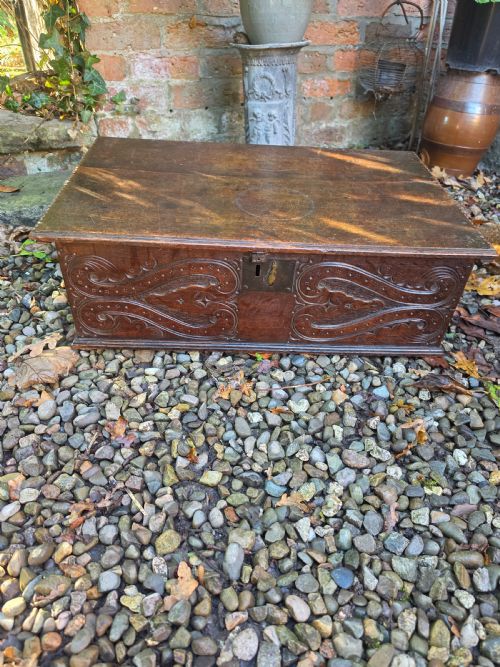
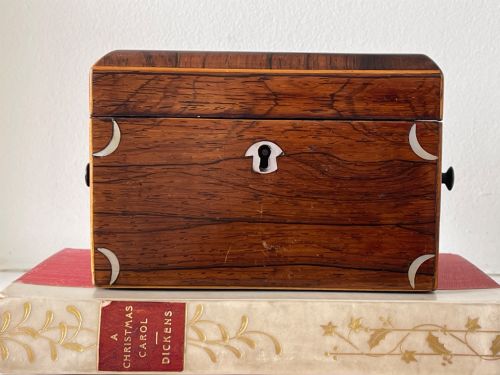
When you search for a small wooden keepsake box, you encounter pieces designed for personal storage across multiple centuries, including the seventeenth, eighteenth, and nineteenth periods. The selection on this page ranges from utilitarian pine storage boxes to decorative rosewood trinket boxes and miniature campaign chests.
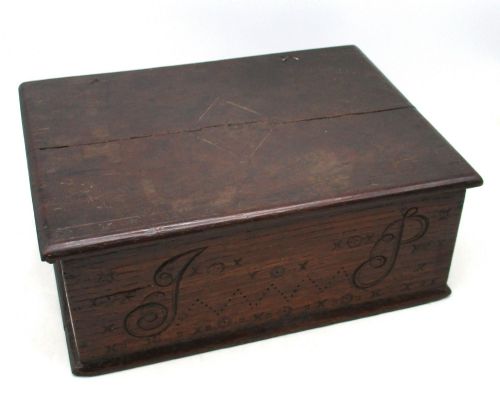
Domestic forms include document boxes, bible boxes, tea caddies, and dome top boxes originating from British, Scandinavian, French, and Middle Eastern workshops. Plain pine and carved oak versions appear alongside inlaid mahogany, rosewood, and painted surfaces.
Buyers are most likely to meet nineteenth-century rosewood and mahogany tabletop boxes, as well as nineteenth-century Scandinavian painted pine dome top boxes. These utilitarian and decorative containers served various roles in past households, from holding loose papers to safeguarding valuables.
Materials and construction methods
Cabinet makers utilised dense hardwoods such as mahogany, rosewood, walnut, and teak, often finished with brass hinges, locks, and mother of pearl inlay. Tunbridge ware examples demonstrate intricate mosaic woodwork built from multiple natural timbers.
Earlier pieces rely on solid oak and pine construction, sometimes featuring chip carving, hand-painted motifs, or iron hardware. Sarcophagus and dome top forms shape planks of cedar, camphor wood, or pine into secure lidded enclosures.
Small Wooden Keepsake Box Retail Price Guide 2026
Typical asking prices for small wooden keepsake box among the pieces listed under this phrase on Sellingantiques today, from the lower quarter to the upper quarter. They describe what is for sale here now, not the wider market.
One tiny nineteenth-century trunk comes equipped with an internal spring locking mechanism that rewards your curiosity with a sudden click.
Distinctions in execution and material
Quality rests on the selection of timber, the crispness of carved or inlaid details, and the integrity of the original joints. Finely figured rosewood or satinwood veneers require expert application, whereas provincial pine boxes rely on straightforward pegged or dovetailed joints.
Internal fittings, functional spring locking mechanisms, and intact hand-painted surfaces elevate a piece above standard utilitarian containers. Surviving original hardware and hinges separate well-preserved examples from heavily altered pieces.
The Small Wooden Keepsake Box Glossary
- Bible box
- A sloping or flat-topped desk box originally built to hold sacred texts and writing materials. These sturdy wooden chests date primarily to the seventeenth and eighteenth centuries.
- Tunbridge ware
- Woodwork decorated with mosaic patterns created by gluing together tiny triangular sticks of naturally coloured wood. This technique produces detailed pictorial or geometric surface designs.
- Campaign trunk
- Portable furniture made for military officers on the move, constructed in miniature forms with brass corners and recessed carrying handles. Teak and camphor wood were favoured for their durability.
- Sarcophagus box
- A container shaped with a distinctive convex or pedimented lid mimicking classical monumental tombs. Cabinet makers popularised this silhouette during the nineteenth century for tea caddies and work boxes.
- Chip carving
- A primitive decorative method where gouges and knives remove small chips from a solid wooden surface to create geometric patterns. This technique appears frequently on seventeenth-century European folk boxes.
Small Wooden Keepsake Box: Frequently Asked Questions
What were small wooden keepsake boxes used for?
Historically, these compact containers held valuable personal items, letters, legal documents, and currency. They provided a secure, lockable space in communal households before fitted furniture became common.
Over time, smaller versions evolved specifically to store jewellery, sewing accessories, and tea leaves. Their portability allowed owners to keep cherished possessions close at hand in domestic rooms.
How do I date an antique wooden box?
Dating relies on observing construction methods, timber choices, and hardware styles. Hand-cut dovetails, forged iron hinges, and native oak or pine usually point to earlier periods like the seventeenth century.
Machined components, exotic veneers like rosewood or mahogany, and brass quadrant hinges typically indicate nineteenth-century production. Inlaid Tunbridge ware and specific locking mechanisms also help narrow down the decade.
Are painted wooden boxes original?
Many Scandinavian and European folk art boxes retain their original painted finishes, which often feature floral motifs or pastoral scenes. Close examination under magnification reveals surface wear and craquelure consistent with age.
Restoration or later decoration can sometimes occur on folk pieces. Comparing the pigment oxidation with the bare wood underneath helps confirm whether the paint layer dates to the period of manufacture.
How should I care for a wooden keepsake box?
Keep wooden boxes away from direct sunlight and radiators to prevent the timber from drying out and splitting. Stable room temperatures protect delicate veneers and mother of pearl inlay from lifting.
Occasional dusting with a soft, dry cloth is sufficient for maintenance. Avoid modern liquid polishes, applying a microcrystalline wax sparingly only if the wood appears dry.