




Small Wooden Case
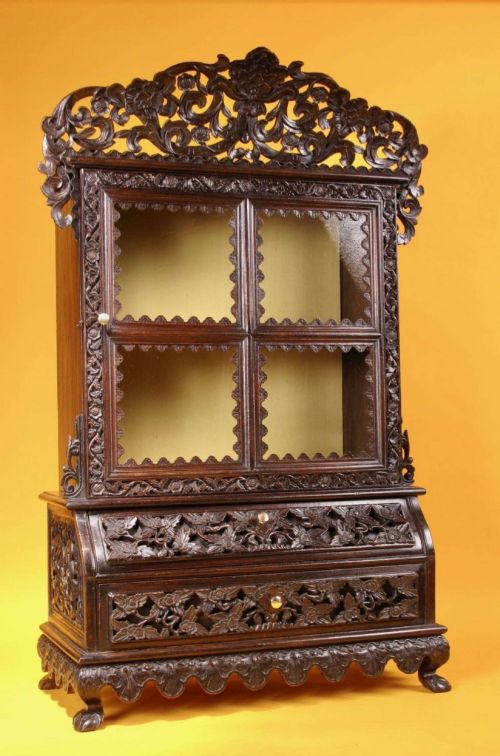
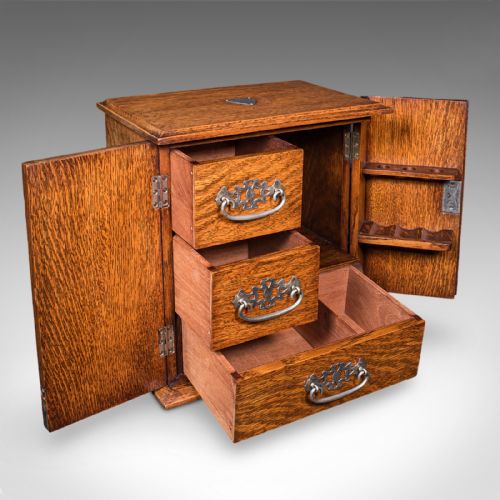
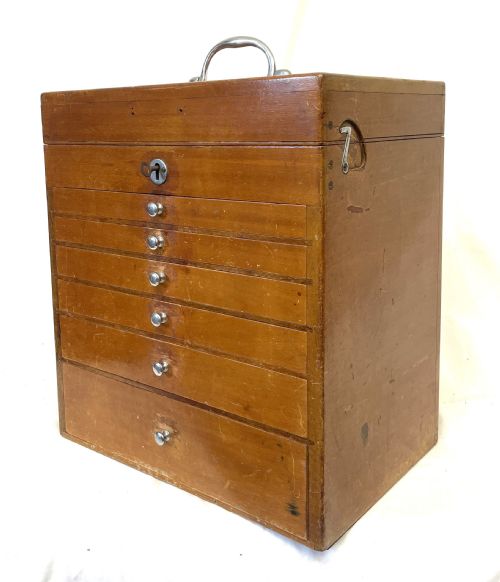
A small wooden case organises precious objects, timepieces or specimens within compact proportions spanning the Georgian, Victorian and Edwardian eras.
Small Wooden Case
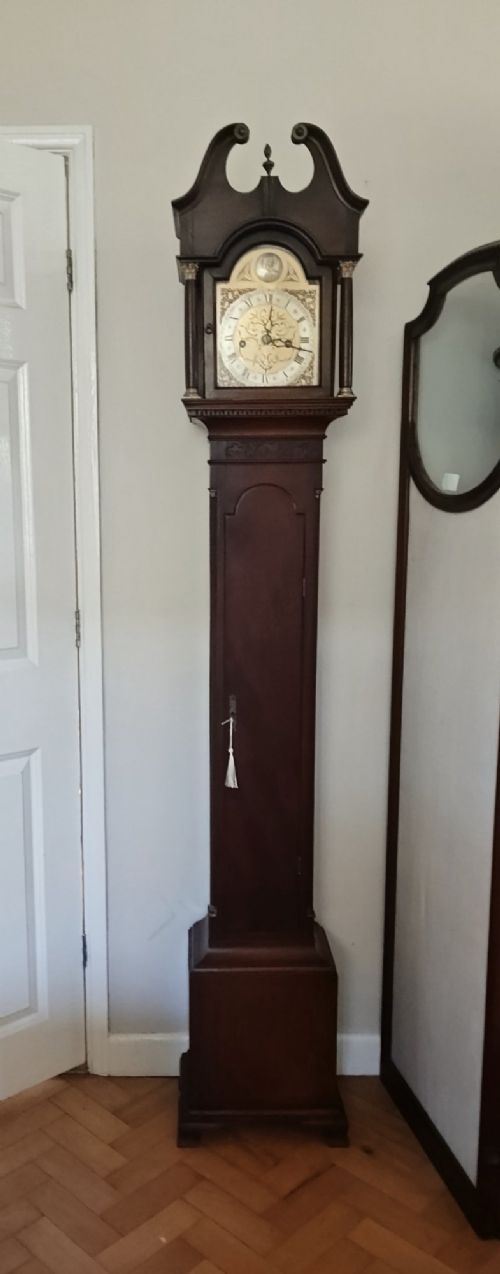
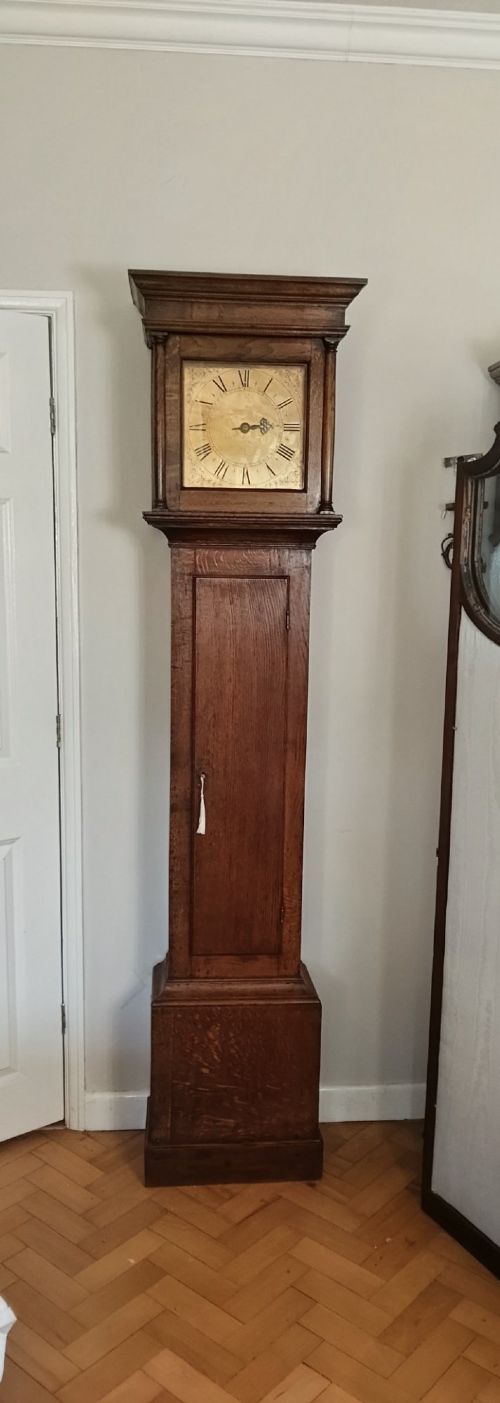
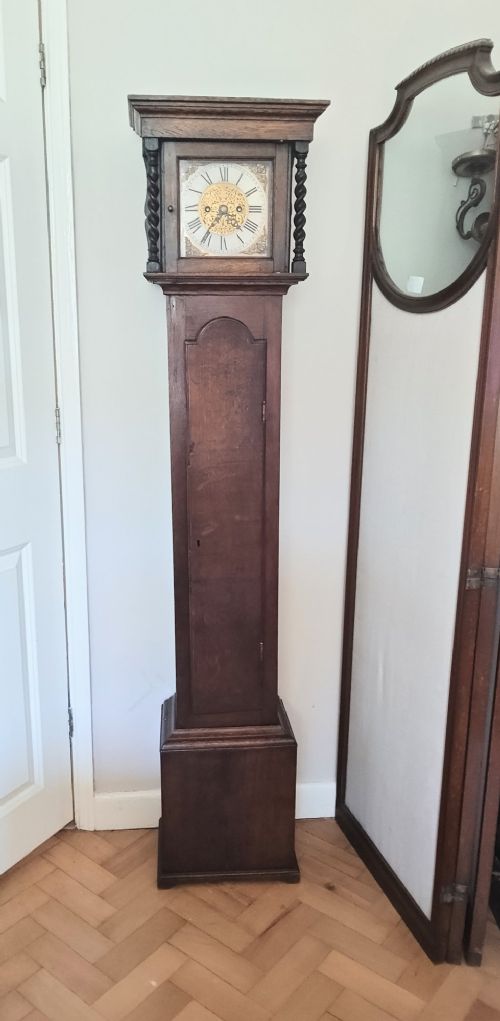
Buyers seeking a small wooden case encounter a diverse range of functional enclosures, from countertop display cabinets and smoking cabinets to miniature longcase clocks and desktop specimen chests. The pieces span centuries of cabinet-making, originating in periods such as the Georgian, Victorian and Edwardian eras.
The versions most frequently met on this page include glazed tabletop display cabinets, apothecary drawers, desktop collector cases and small grandfather or grandmother clocks housed in compact wooden housings. These items reflect domestic, medical and commercial uses from the eighteenth, nineteenth and early twentieth centuries.
How they were made
Cabinet-makers constructed these enclosures primarily using timber species such as oak, mahogany, walnut, satinwood, pine and hardwood, often selecting dense woods for durability and fine grain. Metal fittings in brass, ormolu and iron provided hinges, locks and decorative mounts.
Glazing with clear glass panels permitted the display of contents in cabinets, vitrines and clock faces, whilst fitted interiors utilised textile linings or multi-drawer configurations to hold medical instruments, cigars, pipes or specimens safely.
Small Wooden Case Retail Price Guide 2026
Typical asking prices for small wooden case among the pieces listed under this phrase on Sellingantiques today, from the lower quarter to the upper quarter. They describe what is for sale here now, not the wider market.
Listings feature enclosures constructed from oak, mahogany, walnut and exotic hardwoods, spanning the eighteenth to the early twentieth centuries.
What varies in quality
Quality depends upon the precision of the cabinet joinery, the selection of figured timber veneers and the integration of original hardware such as brass handles and working locks. Superior examples display careful timber matching and refined proportions across smaller scales.
The sophistication of the internal fittings, from velvet-lined trays in collector cases to complex clock movements housed within the timber housing, marks the distinction between standard commercial pieces and finer workshops.
Perigal of London·Dent of London·McCabe London
The Small Wooden Case Glossary
- Vitrine
- A glass-panelled display cabinet designed to showcase delicate objects and porcelain. These cases often feature glazed doors and sides.
- Fusee
- A conical pulley mechanism in antique clocks that equalises the driving force of the mainspring as it winds down. This ensures accurate timekeeping.
- Specimen case
- A small cabinet or chest fitted with multiple shallow drawers for storing natural history samples, insects or geological collections. They protect delicate items from dust and light.
- Grandmother clock
- A slender, diminutive version of a traditional longcase grandfather clock. They share the same weight-driven or spring-driven mechanisms in a reduced height.
- Ormolu
- Gilt bronze ornamentation applied to furniture and clock cases. The technique involves coating bronze with a finely ground mercury and gold amalgam.
Small Wooden Case: Frequently Asked Questions
What were small wooden cases used for?
These enclosures served diverse domestic and professional functions, from housing medical equipment and apothecary supplies to storing pipes, cigars and natural history specimens. Many were built to display precious items on tabletops or counters.
Others functioned as miniature timepieces, key cupboards or desktop collector chests, reflecting the organised lifestyle of the Georgian, Victorian and Edwardian periods.
How do I identify the period of a wooden case?
Dating relies upon observing the timber species, construction methods, hardware styles and decorative motifs characteristic of eras such as the Georgian, Victorian or Edwardian periods. For instance, satinwood and specific bracket clock arches often point to the late eighteenth century.
Later pieces from the early twentieth century frequently incorporate commercial countertop display formats or specific Edwardian labelling within medical and smoking cabinets.
How should I clean a wooden case?
Maintain the timber surfaces by dusting gently with a dry, soft cloth to remove everyday particles without abrasion. Avoid modern silicone sprays or harsh chemical polishes that can degrade aged finishes.
Feed dry hardwoods occasionally with a traditional beeswax formulation, applying sparingly and buffing gently to preserve the natural lustre of the mahogany, oak or walnut.
Where should I place a display case?
Position glass-fronted cabinets and desktop cases away from direct sunlight to prevent the fading of interior timber and delicate linings. Stable indoor humidity levels protect glued joints and prevent wood from warping.
Ensure smaller table cases rest on secure, level surfaces where heavy foot traffic or vibrations will not disturb delicate contents or clock mechanisms.