






Small Wooden Bureau
A small wooden bureau offers compact, practical writing space wrapped in period character.
Small Wooden Bureau
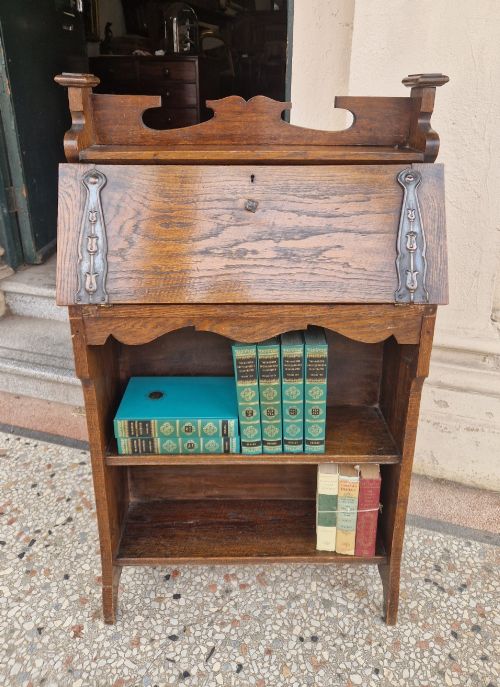
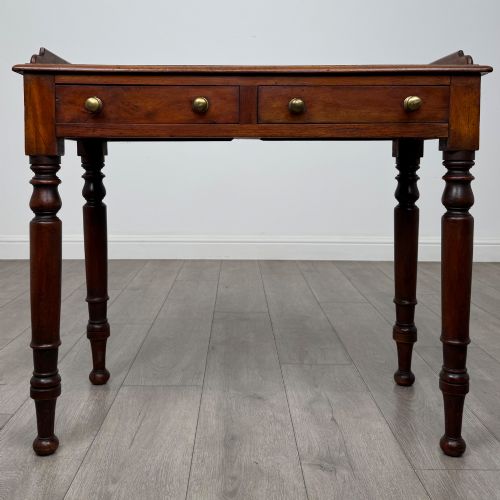
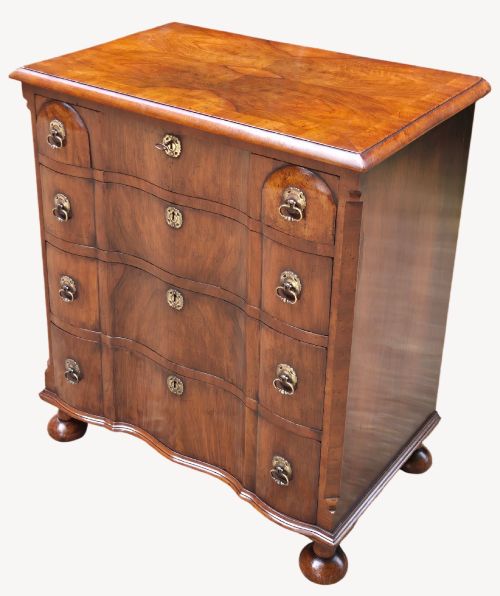
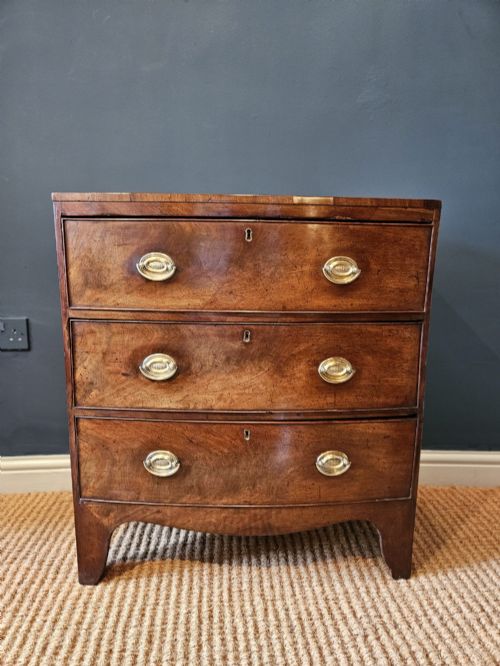
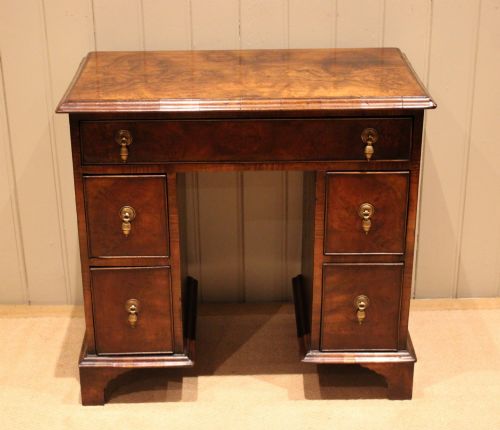
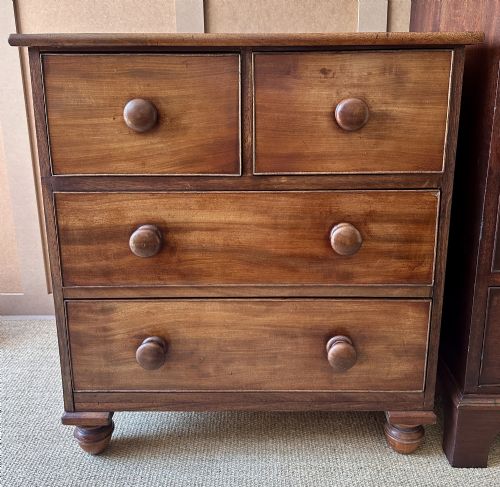
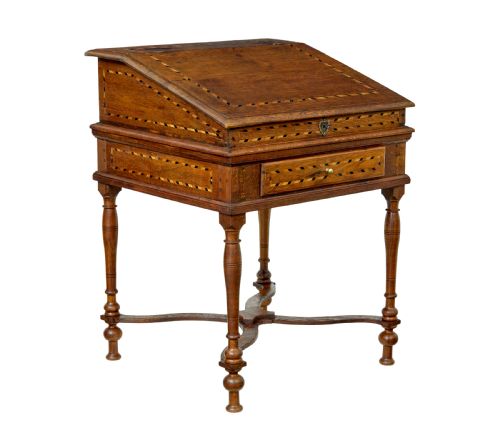
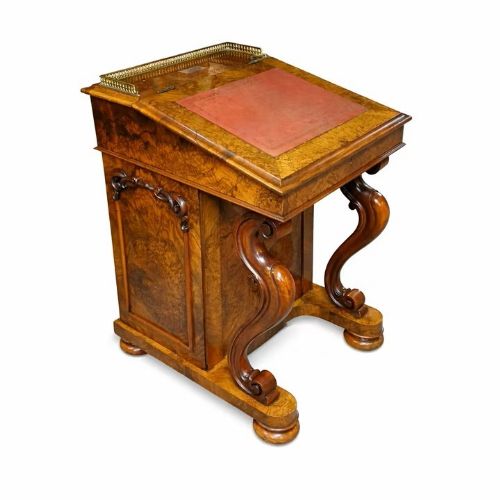
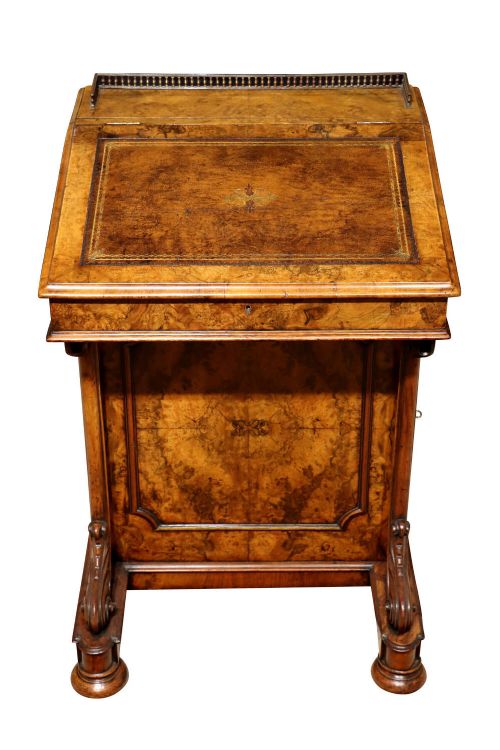
A small wooden bureau combines a sloping writing flap with interior compartments, often supported by drawers below. Buyers searching for a small wooden bureau encounter pieces spanning the Georgian, Victorian, and Edwardian periods, constructed in timbers such as mahogany, oak, and walnut.
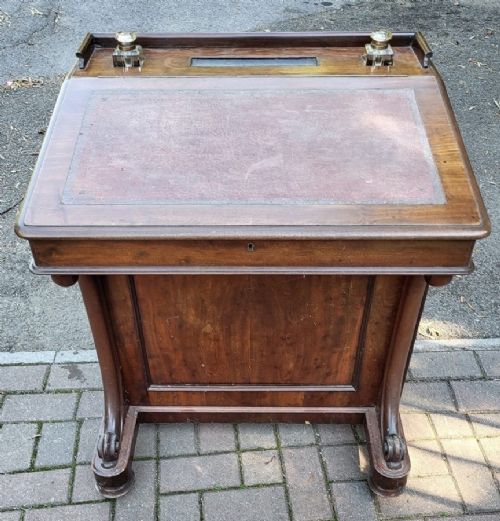
The selection ranges from fitted writing desks and davenports to compact bureaus equipped with keys. Many examples incorporate satinwood interiors or brass hardware, reflecting diverse workshop traditions from the eighteenth to the early twentieth century.
Materials and construction
Cabinet makers utilised dense hardwoods such as mahogany and oak alongside decorative veneers including burr walnut and satinwood. Solid timber frames support dovetailed drawer construction and hinged writing slopes.
Surface ornamentation relies on natural grain patterns, marquetry inlay, and cast brass handles. Internal partitions feature small pigeonholes and subsidiary drawers assembled with traditional joinery.
Several desks manage to pack secret compartments, tiny drawers, and a pigeonhole army into a footprint smaller than a tea tray.
Judging build and finish
Quality rests upon the selection of timber veneers and the precision of internal pigeonhole joinery. Superior examples maintain crisp moulded edges and smooth drawer movement.
Condition of the writing surface and retention of original brass fittings influence the integrity of each piece. Finer workshops invested greater care in secondary woods and internal satinwood detailing.
Gillows
The Small Wooden Bureau Glossary
- Bureau
- A writing desk featuring a sloping lid that opens to reveal internal compartments and drawers.
- Davenport
- A compact pedestal desk with a sloping writing surface, originating in the nineteenth century.
- Satinwood
- A pale, lustrous timber frequently utilised for interior fitments and contrasting stringing.
- Dovetail
- A traditional joint formed by interlocking wedge-shaped fingers, securing drawer corners.
- Marquetry
- Decorative patterns formed by fitted veneers applied to carcase surfaces.
Small Wooden Bureau: Frequently Asked Questions
How do I use a bureau?
Lower the sloping wooden flap to create a stable writing platform above the fitted interior compartments.
Store stationery and writing implements inside the pigeonholes when the desk is closed.
What woods were used?
Cabinet makers built these desks primarily in mahogany, oak, and walnut, often applying burr walnut or satinwood veneers.
Secondary timbers such as pine frequently appear inside drawer carcases and backing boards.
How do I date a bureau?
Examine the construction methods, handle styles, and timber types to align the piece with Georgian, Victorian, or Edwardian periods.
Inlay techniques and interior drawer dovetailing provide further clues to the manufacturing decade.
Where should I place it?
Position the bureau against a sturdy wall in a study, drawing room, or hallway where floor space is limited.
Keep the wooden surfaces away from direct heat sources and strong sunlight to protect the polish.