


Small Wooden Benches
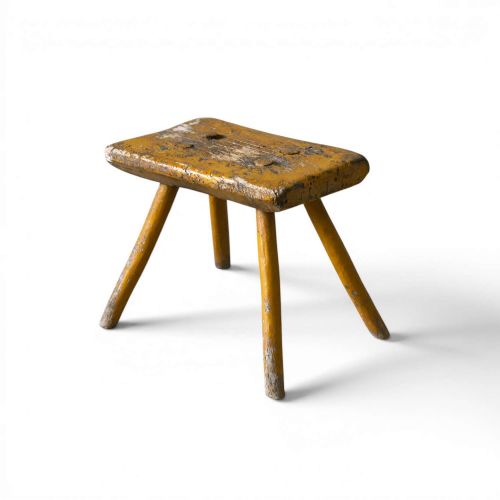
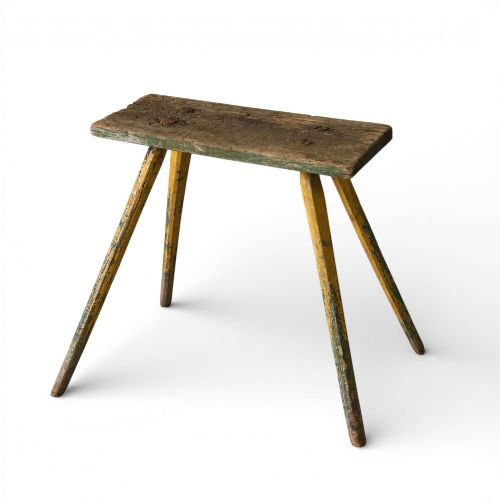
Small wooden benches are compact seats built for utility and hall spaces, offering honest character and sturdy timber forms.
Small Wooden Benches
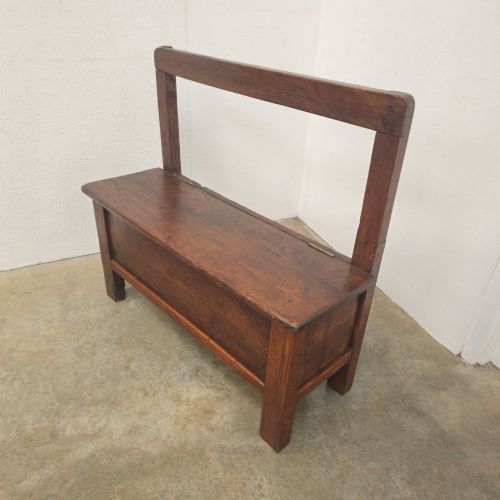
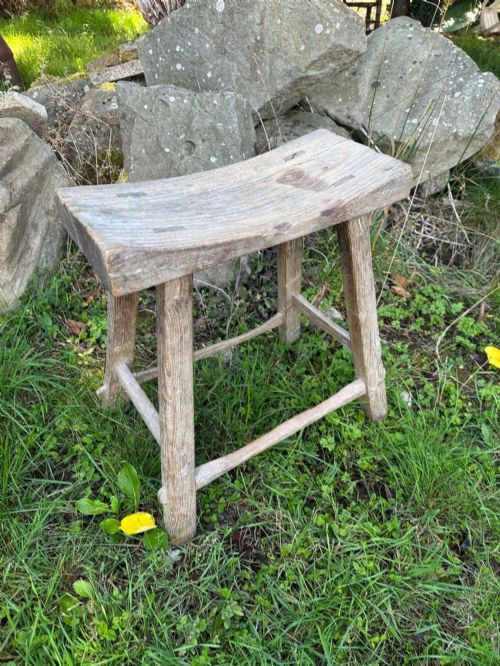
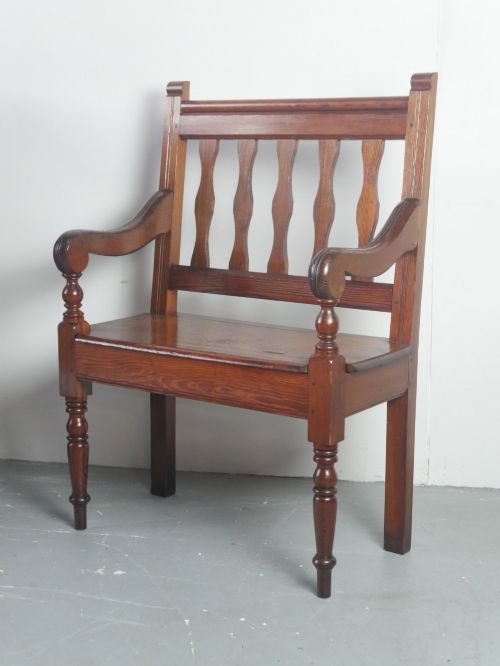
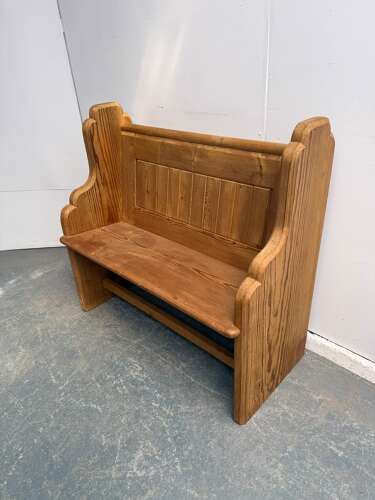
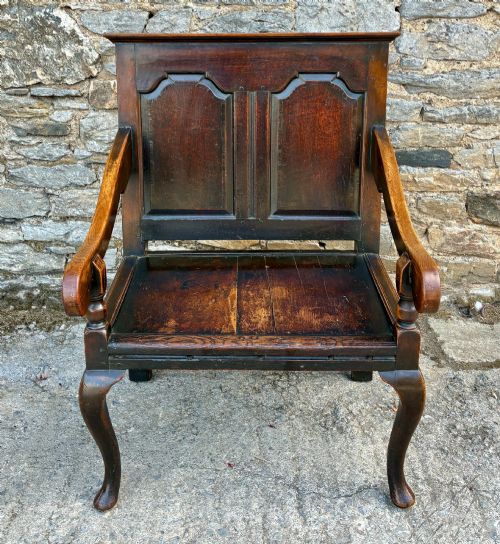
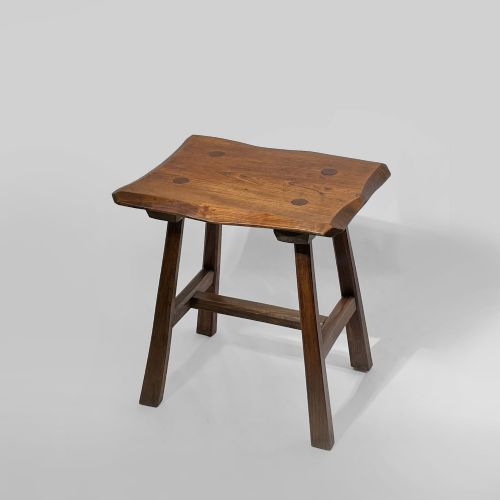
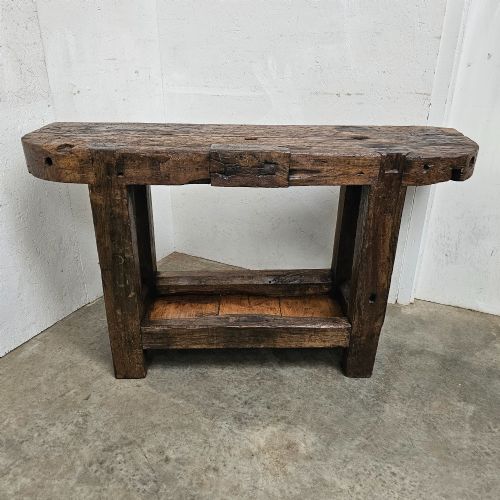
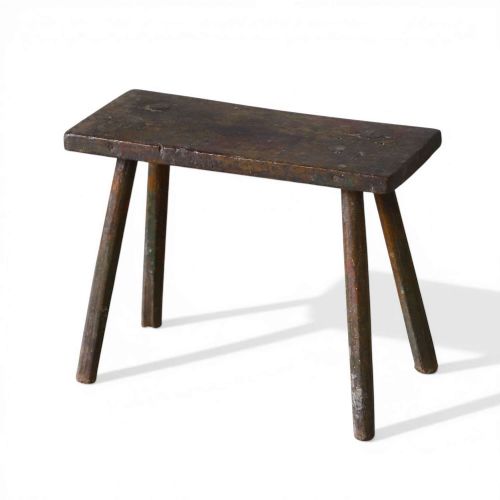
Small wooden benches encompass a diverse group of compact seating, ranging from simple stools and milking seats to small settles and hall benches. When searching for small wooden benches, buyers encounter pieces intended for narrow hallways, hearth sides, or functional work spaces.
The selections span multiple periods, most notably the nineteenth century, the Edwardian era, and the Georgian period. Pieces frequently appear in regional styles such as Victorian Country, Rustic Farmhouse, and Gothic Revival, reflecting local domestic needs.
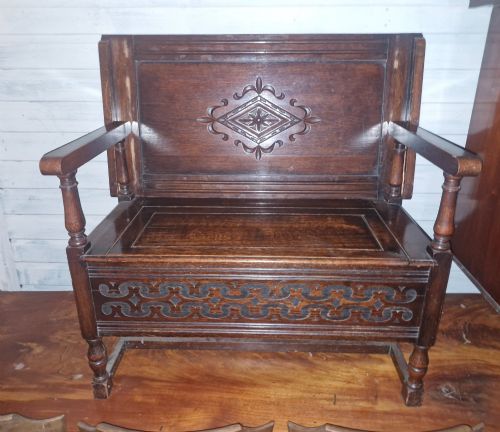
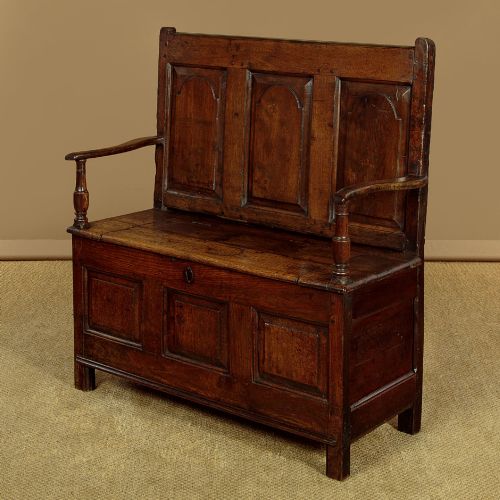
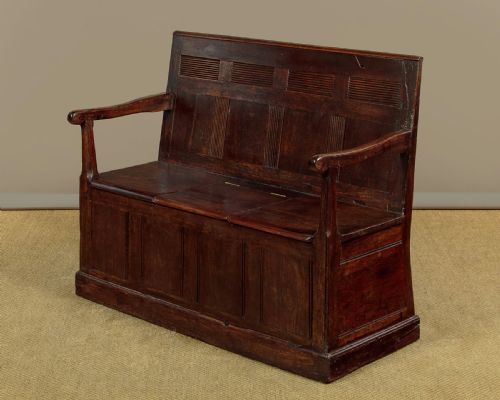
Forms vary from single-seat stools and footstools to two-seater settles and box settles with lift-up lids. Oak, pine, and elm dominate the available objects, often showing the honest wear of daily use.
Materials and construction
Construction relies heavily on solid timbers like oak, pine, walnut, and elm, joined with pegged framing or traditional carpentry methods. Many examples utilise plain boards, while others incorporate turned legs, carved panels, or simple box compartments.
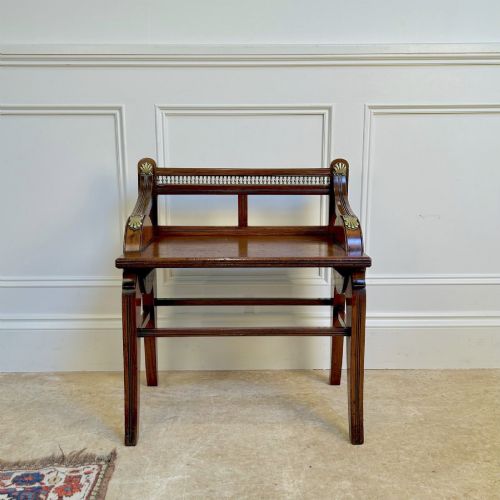
Surfaces frequently show original paint finishes, wax layers, or plain timber grains that have developed a deep patina over time. Details such as brass studs, canework, and simple floral carvings appear on specific pieces from the Victorian and Edwardian eras.
Small Wooden Benches Retail Price Guide 2026
Typical asking prices for small wooden benches among the pieces listed under this phrase on Sellingantiques today, from the lower quarter to the upper quarter. They describe what is for sale here now, not the wider market.
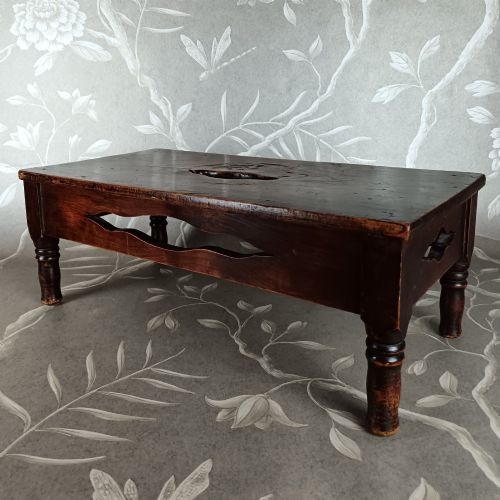
One modest mahogany stool preserves mysterious initials as a possible nineteenth-century love token.
Markers of distinction
Quality rests in the integrity of the timber, the honesty of the construction, and the preservation of original surfaces. Pieces retain greater character when old paint layers or natural waxed finishes remain untouched by modern restoration.
Proportion and utility dictate the appeal of these compact items, with tight joinery and clever adaptations like lift-up seats or folding elements marking superior domestic craftsmanship.
James Shoolbred
The Small Wooden Benches Glossary
- Settle
- A wooden bench with a high back, solid arms, and often a box base for storage. This form kept draughts away from the sitter in older homes.
- Milking stool
- A simple, low, three-legged seat used by dairy workers. These functional items often feature rustic timber construction and original paint.
- Apprentice piece
- A miniature or smaller-scale item created by a trainee craftsman to demonstrate skill. These display the refined techniques of standard furniture on a compact scale.
- Pegged construction
- A method of joining wooden components using tight wooden pins rather than modern metal fasteners. This traditional technique is common in older oak furniture.
- Box settle
- A bench featuring an enclosed storage compartment beneath the seat lid. It combines seating utility with practical domestic storage.
Small Wooden Benches: Frequently Asked Questions
What rooms suit small wooden benches?
These compact seats fit well in narrow hallways, boot rooms, and small bedrooms where space is limited. Their modest footprint allows them to serve as practical perches near doorways or windows.
They also function effectively as low display surfaces or occasional seating in living areas, adding rustic texture to an interior.
How do I care for original paint finishes?
Original painted surfaces require gentle dusting with a soft dry cloth and protection from direct sunlight and moisture. Avoid using harsh chemical cleaners or modern polishes that can strip the historic pigment.
Maintaining a stable indoor humidity helps prevent the timber beneath from drying out or the old paint layers from flaking.
Are these benches sturdy enough for daily use?
Solid timber construction and pegged joinery generally provide robust stability suitable for everyday sitting. Regular checks of the joints ensure the frame remains secure over time.
Lighter decorative pieces or delicate apprentice works benefit from more careful placement where heavy loading is avoided.